


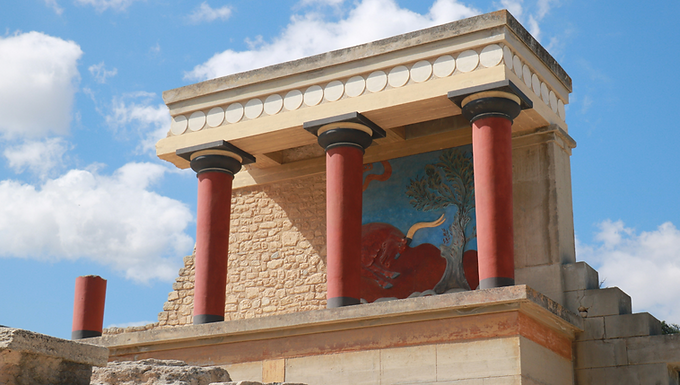
Overview
As of 2026, Heraklion functions as the island’s primary commercial and administrative engine, offering a more industrial and pragmatic cost of living compared to the boutique charm of Chania. While it is Crete's largest city, it remains consistently affordable, with overall expenses sitting roughly 5% lower than Athens. It is a city that doesn't "close" for the winter, making it a reliable, year-round base for those who prioritize urban amenities and high-speed infrastructure over purely aesthetic surroundings.
The local market is shaped by a high-low economic mix: as the island’s academic and research hub, it maintains a massive inventory of budget-friendly housing, with one-bedroom apartments in the city center typically renting for €500 to €750. While transportation and logistics costs are slightly higher due to its island location, these are offset by the abundance of local markets and agricultural trade that keep grocery bills lower than on the mainland. For the 2026 resident, Heraklion offers a functional, fiber-connected lifestyle with immediate access to the island's main international airport and major hospitals, providing a sense of security and connectivity that is often missing from smaller island outposts.
Average Monthly Living Costs
Accommodation is the most significant part of a Heraklion budget and scales based on the neighborhood and apartment condition.
1-bedroom apartment in city center: €500–€750
1-bedroom apartment outside city center: €400–€550
3-bedroom apartment in city center: €850–€1,200
While units in older, non-renovated buildings offer the lowest rates, modern apartments with energy-efficient windows and heating are in high demand and carry a premium.
Utilities and Internet
In Heraklion, electricity is the largest monthly utility expense. Costs fluctuate throughout the year, with peak consumption occurring during the summer for cooling.
Electricity, Water, and Garbage (85sqm apartment): €155–€265
Fiber Internet (100–200 Mbps): €25–€35
Mobile Plan (Unlimited Data/Calls): €18–€30
The city has a robust high-speed fiber network, with national providers offering broad coverage across the urban center and major coastal districts. As is standard in Greece, the electricity bill is a consolidated document that includes municipal taxes, waste collection fees, and the national public broadcasting levy. Water rates are managed by the municipal utility and remain a relatively small portion of the total budget.

Groceries and Food
The grocery and dining market in Heraklion offers a wide range of prices, spanning from affordable street food and neighborhood farmers' markets to high-end supermarket chains. While inflation has impacted global food prices, the city remains significantly cheaper than other major European capitals for fresh local produce and pantry staples.
Supermarket and Local Market Costs
Shopping at the weekly neighborhood laiki agora (open-air market) is the most effective way for residents to keep costs low. Prices at these markets are typically 30% to 50% lower than in major grocery stores.
Monthly Groceries (Single Person): €185–€275
Monthly Groceries (Family of Four): €510–€710
Fresh Milk (1 Liter): €1.30–€1.55
Loaf of Fresh Bread (500g): €1.10–€1.30
Dozen Eggs: €3.65–€4.15
Feta Cheese (1kg): €9.50–€12.50
Chicken Breast (1kg): €8.00–€9.80
Dining and Casual Food
Heraklion has a robust culture of affordable eating out, centered around the ubiquitous souvlaki shop and small tavernas.
Souvlaki or Gyros Wrap: €3.10–€4.10
Meal for One at an Inexpensive Taverna: €11.00–€17.00
Three-Course Dinner for Two (Mid-range): €40.00–€65.00
Freddo Espresso or Cappuccino: €3.00–€4.20
Most households budget for a mix of supermarket shopping and social dining, which is a fundamental part of the local lifestyle. Local products like Cretan olive oil, seasonal vegetables, and honey are consistently high quality and affordable, whereas imported processed goods and luxury items carry a higher price tag.
Transportation
The figures below represent the total all-in cost of living, including rent, utilities, groceries, health insurance, and modest social spending.
Single person (rent outside center): €1,100–€1,500
Couple (rent outside center): €1,800–€2,300
Central apartment lifestyle: €2,400+
These estimates exclude luxury spending and international travel.
Healthcare
Public healthcare is low-cost for residents, while private healthcare remains affordable by international standards.
Private doctor visit: €60–€150 (specialists tend toward the higher end)
Basic private insurance: €50–€130 per month
Access to the public system (ESY) is available to those with a Greek Social Security Number (AMKA). In Heraklion, many expats and locals opt for private insurance to skip the longer waiting lists often found at the major university and regional hospitals, which serve as the primary medical hubs for the entire island.
Estimated Monthly Total
Heraklion has a robust and frequent public transport network that connects the city center with the port, airport, and historical sites.
Monthly public transport pass: ~€50
Single bus ticket: ~€1.10–€1.50
Taxi start fare: ~€4
Many residents opt for the local bus system or scooters, as fuel prices in Greece are typically much higher than in the US and finding street parking near the city’s busy commercial hubs is often difficult.
How Heraklion Compares
Cheaper than most U.S. cities
Cheaper than Athens, London, and Paris
More expensive than inland Cretan villages
Heraklion offers a balance between affordability and access to city-wide infrastructure, healthcare, and year-round urban amenities.
Seasonal Cost Changes
Heraklion sees short-term rental demand push rents higher during peak travel months, particularly in central neighborhoods. Utility costs rise in summer due to air-conditioning use, while winter brings higher heating bills for residents.
Who Heraklion is Best For
Heraklion suits:
History buffs and archaeology fans
Business travelers and urbanites
Gastronomy enthusiasts seeking authentic Cretan flavors
Island explorers using it as a central hub
It is ideal for those who value a bustling, energetic Mediterranean port that blends deep Minoan roots with a gritty, modern island lifestyle.
Locals Insider Tip
Skip the pricey cafes directly encircling the Lion Fountain and walk a few blocks over to Papagiamali or Milatou Street. This area is a goldmine for traditional kafenios and "mezedopolia" where local university students hang out; you can grab a large carafe of raki and enough small plates to call it dinner for less than €15. If you're looking for the freshest groceries, skip the mini-markets in the old town and head to the 1866 Street Central Market early in the morning. While it’s partially touristy, the back stalls are where the locals buy Cretan graviera cheese and mountain herbs for a fraction of the cost of packaged versions. For a cheap escape, use the local blue bus to reach Ammoudara beach for just a few euros, or better yet, grab a bougatsa from Kirkor (a local breakfast staple) and walk the Venetian walls for a free, panoramic view of the entire city and the harbor without paying for a rooftop bar seat.
Related Articles
Frequently Asked Questions
Is it safe to live in Heraklion?
Heraklion is a very safe city, and as the administrative capital of Crete, it has a busy, lived-in feel year-round. While it is more "urban" than Chania, violent crime is almost non-existent. You should still use standard city smarts in crowded spots like the Lions Square or the central bus stations, where pickpockets occasionally look for easy targets. Most residents feel perfectly comfortable walking alone at night, though you might find some industrial areas near the port a bit dimly lit. Overall, the high safety index makes it a top choice for families and solo expats alike.
Can I get by only speaking English?
You will have no trouble navigating Heraklion with just English. Since it is a major hub for international travel and home to one of Greece’s top universities, English is spoken fluently by many locals, especially those under 50. You can easily handle your banking, healthcare, and daily shopping without a translator. However, because Heraklion is less of a "resort town" and more of a working city, you will hear much more Greek on the streets. Learning a few phrases is the fastest way to earn the respect of the locals and transition from "tourist" to "neighbor."
How is the internet speed for remote work?
Heraklion is arguably the best place in Crete for digital nomads. The city infrastructure supports reliable fiber-optic lines, with many central apartments offering speeds between 100 Mbps and 200 Mbps. Because it is a tech and research hub, the "infrastructure lag" found in more rural areas is less common here. There are also several excellent dedicated coworking spaces like Comeet or Office12 that provide high-speed backups and a community of remote professionals, making it very easy to stay productive.
Do I need a car to live in Heraklion?
Within the city center, a car can actually be a burden due to limited parking and heavy traffic. The urban bus system is extensive and links the center to the suburbs and the airport very efficiently. However, if your life involves commuting to the University or exploring the island's hidden gems like the Matala caves or southern beaches, a car becomes a necessity. Most expats who live in the heart of the city rely on their feet and the bus for daily life, but keep a small car or scooter for weekend getaways.
What should I know about the "Think before you flush" rule?
The rule remains strictly the same here as it does in the rest of Greece. Even in the more modern apartment blocks of Heraklion, the sewage pipes are narrow and prone to blocking if you flush paper. To avoid an expensive and embarrassing plumbing bill, always use the small pedal bin next to the toilet for all paper products. It is a small adjustment to your routine, but it is one of the most important rules for maintaining a happy relationship with your landlord.


