


Overview
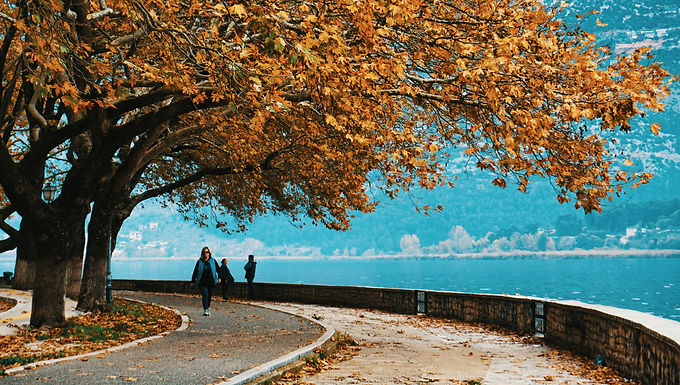
As of 2026, Ioannina represents one of the most significant cost-saving opportunities for residents in Greece, functioning as a high-tech mountain retreat with an incredibly low entry point. Often referred to as the "City of Silver," it is a major academic hub that remains insulated from the price volatility of the islands. For those relocating from the capital, the cost of living in Ioannina is approximately 25% lower than Athens, with the most dramatic savings found in the housing sector.
The real estate market is heavily influenced by the large university population, ensuring a massive supply of modern, energy-efficient apartments. A high-quality one-bedroom flat in the city center typically rents for €350 to €500, nearly 40% less than comparable Athenian neighborhoods. While the mountain climate necessitates higher heating costs in the winter, this is balanced by significantly lower prices for local produce and dining. For the 2026 resident, Ioannina offers a unique "smart city" infrastructure—home to major multinational tech firms and fiber-to-the-home connectivity—making it a top-tier destination for professionals who want a lakeside lifestyle without urban financial pressure.
Average Monthly Living Costs
Accommodation is the most significant part of an Ioannina budget and scales based on the neighborhood and apartment condition.
1-bedroom apartment in city center: €350–€550
1-bedroom apartment outside city center: €250–€400
3-bedroom apartment in city center: €600–€850
While units in older, non-renovated buildings offer the lowest rates, modern apartments with energy-efficient windows and heating are in high demand and carry a premium.
Utilities and Internet
In Ioannina, heating is a major factor in utility budgeting due to the city’s high humidity and colder winter temperatures. While electricity is the primary expense for cooling in summer, heating costs from natural gas or autonomous oil systems rise significantly from November through March.
Electricity, Water, and Garbage (85sqm apartment): €175–€295
Fiber Internet (100–200 Mbps): €26–€36
Mobile Plan (Unlimited Data/Calls): €20–€32
The city center and university areas are well-equipped with high-speed fiber infrastructure. As is standard practice, the bimonthly electricity bill serves as a consolidated statement that includes municipal taxes, waste collection fees, and the national public broadcasting levy. Water rates are managed by the local municipal utility (DEYAI) and are typically billed quarterly.

Groceries and Food
The grocery and dining market in Ioannina offers a wide range of prices, spanning from affordable street food and neighborhood farmers' markets to high-end supermarket chains. While inflation has impacted global food prices, the city remains significantly cheaper than other major European capitals for fresh local produce and pantry staples.
Supermarket and Local Market Costs
Shopping at the weekly neighborhood laiki agora (open-air market) is the most effective way for residents to keep costs low. Prices at these markets are typically 30% to 50% lower than in major grocery stores.
Monthly Groceries (Single Person): €180–€265
Monthly Groceries (Family of Four): €500–€700
Fresh Milk (1 Liter): €1.30–€1.50
Loaf of Fresh Bread (500g): €1.00–€1.20
Dozen Eggs: €2.80–€3.40
Feta Cheese (1kg): €10.00–€12.50
Chicken Breast (1kg): €7.50–€9.20
Dining and Casual Food
Ioannina has a robust culture of affordable eating out, centered around the ubiquitous souvlaki shop and small tavernas.
Souvlaki or Gyros Wrap: €3.00–€4.00
Meal for One at an Inexpensive Taverna: €10.00–€16.00
Three-Course Dinner for Two (Mid-range): €35.00–€60.00
Freddo Espresso or Cappuccino: €3.00–€4.00
Most households budget for a mix of supermarket shopping and social dining, which is a fundamental part of the local lifestyle. Local products like Epirote dairy, seasonal vegetables, and honey are consistently high quality and affordable, whereas imported processed goods and luxury items carry a higher price tag.
Transportation
The figures below represent the total all-in cost of living, including rent, utilities, groceries, health insurance, and modest social spending.
Single person (rent outside center): €1,000–€1,400
Couple (rent outside center): €1,600–€2,100
Central apartment lifestyle: €2,200+
These estimates exclude luxury spending and international travel.
Healthcare
Public healthcare is low-cost for residents, while private healthcare remains affordable by international standards.
Private doctor visit: €60–€150 (specialists tend toward the higher end)
Basic private insurance: €50–€130 per month
Access to the public system (ESY) is available to those with a Greek Social Security Number (AMKA). In Ioannina, many expats and locals opt for private insurance to skip the longer waiting lists often found at the city's two major hospitals, which serve as the primary medical centers for the entire Epirus region.
Estimated Monthly Total
Ioannina has a reliable public transport network that connects the historic castle area and the lakeside with the university and surrounding suburbs.
Monthly public transport pass: ~€45
Single bus ticket: ~€1.20–€1.50
Taxi start fare: ~€4
Many residents find the city very walkable or use the local buses, as fuel prices in Greece are typically much higher than in the US and the narrow streets of the old town make driving and parking a significant challenge.
How it Compares
Cheaper than most U.S. cities
Cheaper than Athens, Thessaloniki, and major European hubs
More expensive than remote Epirus villages
Ioannina offers a balance between affordability and access to academic excellence, historic lakeside charm, and gateway access to the Pindus mountains.
Seasonal Cost Changes
Ioannina sees short-term rental demand push rents higher during peak travel months, particularly in central neighborhoods. Utility costs rise in summer due to air-conditioning use, while winter brings higher heating bills for residents.
Who This Place is Best For
Ioannina suits:
Nature lovers and outdoor adventurers
Silver artisans and craft collectors
History enthusiasts interested in Ottoman and Byzantine lore
Students and creative souls seeking an lakeside retreat
It is ideal for those who value a mist-covered, atmospheric setting, a vibrant student-led nightlife, and a gateway to the wild peaks of the Pindus Mountains.
Locals Insider Tip
Instead of paying for a round-trip lake cruise, take the small commuter ferry to the Island of Ioannina for just a couple of euros; it’s a short, scenic ride that gives you the same water views for much less. Once you’re on the island, skip the lakeside restaurants and head into the center of the village to find small shops selling traditional liqueurs and baklava at local prices. Back in the city, avoid the flashy cafes on the main lakeside road and walk into the Castle (Its Kale) walls instead. You can find quiet, hidden spots to sit and enjoy the atmosphere for free, or grab a coffee at one of the student-run cafes nearby where prices stay low year-round. For dinner, look for the traditional tsipouradika in the old leather-working district; they serve authentic Epirus dishes like floury pies and local cheeses that are much easier on the wallet than the international bistros downtown. Finally, if you want a panoramic view of the entire basin, drive ten minutes up to Frontzou Monastery at dusk; the view is spectacular and you won’t have to pay a cent to enjoy the best sunset in the region.
Related Articles
Frequently Asked Questions
Is it safe to live in Ioannina?
Ioannina is an incredibly peaceful city where the safety levels are among the highest in Greece. Since it is a smaller, community-focused city, violent crime is virtually non-existent. Most residents feel completely safe walking alone around the lake or through the historic castle district at any hour of the night. You might see a bit of lively student energy in the center after dark, but it is overwhelmingly friendly. The biggest "danger" here is the damp pavement or slippery cobblestones after a typical Epirus rain shower, so watch your step more than your pockets.
Can I get by only speaking English?
You can certainly manage daily life here with English, but it feels a bit different than the tourist islands. Because Ioannina is a thriving university town, you will find that almost every student and young professional speaks excellent English. In the main cafes and hospitals, communication is easy. However, in the smaller bakeries or when dealing with local utilities, the language barrier is more noticeable. While you won't be stranded, the locals deeply appreciate it if you learn the basics; it’s the best way to melt the initially reserved (but very kind) Epirus exterior.
How is the internet speed for remote work?
The internet in Ioannina is surprisingly robust for a mountain-surrounded city. Most urban apartments now have access to high-speed fiber-optic lines, with standard speeds ranging from 100 Mbps to 200 Mbps. It has become a quiet favorite for digital nomads who want a "mountain-meets-city" vibe without sacrificing connectivity. If you find yourself in an older building with slower copper lines, 5G coverage across the city is excellent and serves as a perfect mobile hotspot backup. There are also several cozy, quiet cafes around the castle that are very welcoming to the laptop crowd.
Do I need a car to live in Ioannina?
If you live in the city center, you can easily live car-free. Ioannina is a very walkable city, and the primary amenities are clustered within a small radius. There is a reliable local bus system that connects the center to the university and the suburbs. However, most expats eventually get a car because Ioannina is the gateway to the stunning Zagori villages and Vikos Gorge. Without your own wheels, you would miss out on some of the best hiking and alpine scenery in Europe, which is all located within a 45-minute drive of the city.
What should I know about the "Think before you flush" rule?
The rule is non-negotiable here, just as it is in Athens or Crete. The city’s infrastructure relies on pipes that are too narrow to dissolve and transport toilet paper. To prevent a messy and expensive backup in your home, all paper must go into the lidded bin provided next to the toilet. In a city as humid as Ioannina, keeping these bins tidy is just a standard part of housekeeping. It feels like a hurdle for the first week, but you will soon find yourself doing it automatically without a second thought.


