Thassos

The Aegean’s "Emerald Isle," where white marble quarries and pine-covered hills meet turquoise natural lagoons.
Intro
Thassos is the northernmost island in the North Aegean and is often referred to as the Emerald Isle because of its dense pine forests and sprawling olive groves. The island is uniquely characterized by its history of white marble quarrying, which still gives the coastal landscape and the famous Saliara Beach a brilliant, snowy glow. From the ancient theater and agora in the capital of Limenas to the natural sea pool of Giola and the traditional mountain village of Theologos, Thassos offers a rich combination of archaeological depth and vibrant, verdant scenery.
Who It’s Best For
Thassos is a versatile gem that appeals to family travelers and nature enthusiasts who want a classic Greek island experience without the high-octane price tag of the Cyclades. It is the ideal choice for road-trippers and explorers, as the island’s excellent ring road makes it easy to hop between brilliant white marble beaches and emerald mountain forests in a single afternoon. Because the island is incredibly lush and features a mix of organized resorts and quiet traditional villages like Theologos, it suits hikers and history buffs who want to balance a morning trek to Mount Ypsarion with an evening stroll through ancient marble quarries and Hellenistic ruins. While the island is popular with visitors from the neighboring Balkans, its sheer size and abundance of "secret" coves mean it still offers plenty of room for peace seekers and authentic travelers looking for world-class olive oil, pine honey, and a slower, greener pace of life.
Who It’s Best For: A Quick Breakdown
Traveler Type | Why They’ll Love Thassos |
Families | Features shallow, sandy beaches like Golden Beach and Paradise Beach that are safe and well-organized for children. |
Beach Lovers | Home to the unique Marble Beach, where the "sand" consists of white marble pebbles that make the water glow electric blue. |
Outdoor Adventurers | Perfect for those who want to jump into the natural sea pool of Giola or hike through dense pine forests to waterfalls. |
History & Culture Buffs | To explore the ancient theater of Limenas and the archaeological site of Aliki, where ruins sit right at the water’s edge. |
Gourmet Travelers | Famous for its unique wrinkled Throuba olives, local honey, and traditional slow-roasted goat in mountain tavernas. |
Things to Know
Thassos is unique because it is the only island in the North Aegean that is close enough to the mainland to be served by two different ferry routes. The most popular crossing is from Keramoti, which arrives at Limenas and takes only about 40 minutes with very frequent departures. The second option is from Kavala, which arrives at Skala Prinos and takes about 75 minutes. While the ferry from Keramoti is faster and more convenient, the drive to the Keramoti port is longer if you are coming from the west. Once you arrive, renting a car is the most effective way to see the island because the main coastal road is a 100 kilometer loop that connects all the major beaches and mountain villages.
The island is exceptionally green and famous for its marble quarries, which means you will encounter heavy trucks on the roads and a distinct white dust near the industrial areas. One of the most famous sights is Giola, a natural sea pool carved into the rocks, but be aware that reaching it requires a steep hike down a rugged dirt path that is not suitable for standard cars. For a more relaxed experience, the public KTEL bus service is one of the most reliable in the region and circulates the island regularly during the summer months. Finally, keep in mind that the mountain village of Theologos is the place to go for traditional spit roasted goat, but these tavernas get very crowded in the evenings, so booking a table in advance is a smart move.

Things To Do
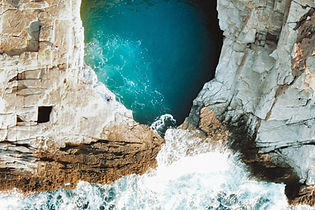
Swim in the Giola Lagoon to experience a natural seawater pool carved into the coastal rocks, which is filled by the waves and offers a dramatic jumping spot for brave swimmers.
Visit the Monastery of Archangel Michael to explore a convent perched on a steep cliffside that houses a holy relic and provides some of the most spectacular sea views on the island.
Explore the Ancient Theater of Thassos to see the remains of a 5th-century BC structure built into the hillside above the capital, offering a glimpse into the island's classical past.
Sunbathe at Saliara Beach to see the famous "Marble Beach" where the shoreline is covered in tiny white marble pebbles that make the water appear a brilliant tropical turquoise.
Tour the Archaeological Museum of Thasos in Limenas to view a massive collection of local artifacts, including a colossal 6th-century BC Kouros statue that stands over five meters tall.
These activities reflect how Thassos is experienced through its unique geological formations, its deep ties to ancient Greek theater and art, and its stunning marble-lined coastline.
Beaches or Nature
Thassos is known as the "Emerald of the Aegean" due to its extraordinary density of pine and marble, creating a striking contrast of deep green forests against brilliant white stone. The island is unique for its marble quarries, which not only drive the local economy but also result in beaches like Saliara (Marble Beach), where the "sand" consists of tiny white marble pebbles that turn the water a vivid tropical turquoise. The interior is a hiker's paradise, dominated by Mount Ipsarion, where trails wind through ancient plane trees and lead to panoramic views of the entire northern Aegean. Along the coast, you'll find natural wonders like Giola, a stunning natural sea lagoon carved into the rocks that acts as a sapphire-colored swimming pool. Nature on Thassos is experienced as a lush, circular world of shady olive groves, sparkling mountain springs, and a coastline where the forest literally meets the sea.
Areas to Explore
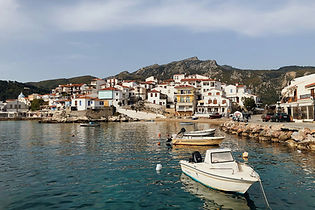
Limenas (Thassos Town) is the island’s capital and main port, where modern life blends seamlessly with antiquity, featuring a lively commercial center built directly alongside ancient temples and the old naval harbor.
Theologos is a historic mountain village and the island's former capital, preserved as a traditional settlement with stone-roofed houses, arched bridges, and a reputation for the best spit-roasted meat in the region.
Limenaria is the largest town in the south, established around the old mining industry "Palataki" building, offering a grand waterfront promenade and a more relaxed alternative to the busy north.
Panagia is a picturesque mountain village famous for its natural spring water fountains, narrow slate-paved streets, and a central square that remains the heart of local community life.
Potos is a vibrant seaside resort that serves as the island's primary hub for nightlife and younger travelers, featuring a high concentration of beach bars and shops right on the water’s edge.
These areas reflect how Thassos is divided between its busy archaeological port, its preserved mountain heritage, and its energetic southern coastal resorts.
Local Cuisine
Thassos is a culinary paradise where the bounty of the mountains meets the freshness of the sea. The island is most famous for its throuba olives, a unique variety of wrinkled black olives that are naturally cured on the tree and packed with intense flavor. Another hallmark of the island is its world-class pine honey, which is thick, aromatic, and often served over local yogurt or in pispili, a traditional cornmeal-based pie with greens. Meat lovers flock to the mountain village of Panagia for spit-roasted lamb and goat, while seaside diners enjoy octopus sun-dried on strings before being grilled. Dining on Thassos is a lush, sensory experience, whether you are sitting in a marble-paved village square under an ancient plane tree or at a beachfront table where the scent of pine needles mingles with the salty sea air.
History
Thassos has been a prize of the northern Aegean since antiquity, primarily due to its incredible wealth of natural resources, earning it the nickname "The Athens of the North." Settled by Parians in the 7th century BCE, the island became a dominant economic power through its exports of high-quality white marble, gold from the mainland, and its famous "Thasian wine." The ancient city-state was so prosperous that it minted its own coinage and maintained a powerful navy to protect its commercial interests. Its strategic location meant it was constantly contested by the Athenians, Spartans, and later the Romans. During the medieval period, it faced frequent pirate raids, leading residents to move inland to hidden villages like Theologos, which served as the island’s capital during the Ottoman occupation. Today, the island is a living museum, with the Ancient Agora, the theater, and the massive marble walls of the acropolis standing as testament to a civilization built on the riches of the earth and sea.
Best Time to Visit
Thassos is most popular and vibrant from June through September, when the "Emerald of the Aegean" lives up to its name. During these months, the turquoise waters of Marble Beach and Golden Beach are warm and calm, making it a paradise for families and sunseekers. The island’s ring road is busy with travelers exploring the ancient ruins and seaside tavernas. August is the peak of the season, coinciding with the Kavala-Thassos Festival, which brings ancient drama and musical performances to the historic Great Theater of Thassos.
From October through May, Thassos transitions into a peaceful, green retreat focused on its traditional industries of marble quarrying, honey production, and olive harvesting. Because it is the northernmost Greek island, the winter can be quite chilly and even see occasional snowfall on the peaks of Mount Ipsarion. This cooler period is ideal for those who enjoy mountain biking or hiking the forested trails without the summer crowds. While the coastal beach bars close, the mountain villages like Theologos and Panagia remain lively with local life, offering a cozy atmosphere where you can enjoy local roasted meats by a fireplace. Travelers should note that the ferry connection from Keramoti remains frequent year-round, making Thassos one of the most accessible islands even in the deep winter.
Editors' Insider Tips
Thassos is a lush, circular island that is best explored by renting a car or a Suzuki Jimny to tackle the dirt tracks leading to hidden gems. Our top recommendation is to visit Giola, the famous natural sea pool carved into the rocks. To avoid the massive crowds and the midday heat, aim to arrive before 9:00 AM. The hike down from the parking area is steep and rocky, so swap your flip-flops for sneakers for the trek.
For a taste of traditional island life away from the beach bars, spend an afternoon in the mountain village of Theologos. It was the island’s former capital and is renowned for its spit-roasted goat and lamb. If you are looking for a unique souvenir, Thassos is famous for its pine honey and throuba olives (wrinkled, sun-dried olives); you can find the best varieties at the local cooperatives in Prinos. Finally, if you want a "secret" beach experience, head to Salonikios at the southern tip of the island. It is often overlooked in favor of Aliki, but it offers incredible snorkeling and a bohemian beach bar that provides the perfect vantage point for the sunset.
Frequently Asked Questions
1. How do I get to Thassos?
Thassos is the northernmost island in Greece and does not have its own airport. It is connected to the mainland by frequent ferry services.
From Keramoti: This is the most popular and frequent route. Ferries run nearly every half hour during the summer to the main town of Thassos (Limenas). The crossing takes only 40 minutes.
From Kavala: Ferries depart several times a day to the port of Skala Prinos. This crossing takes about 1 hour and 15 minutes.
By Air: The closest airport is Kavala International Airport "Alexander the Great" (KVA), which is just a 15 minute drive from the ferry port at Keramoti. Alternatively, you can fly into Thessaloniki (SKG) and drive about 2 hours to reach the ports.
2. Is Thassos expensive?
Compared to islands like Mykonos or Santorini, Thassos is considered very affordable.
Value: It is a favorite for families and road trippers because food, accommodation, and ferry tickets are reasonably priced.
Local Prices: Because the island is agriculturally self-sufficient, produce like olives, honey, and meat is locally sourced and inexpensive.
3. Do I need to rent a car?
Yes, a car is highly recommended if you want to see the island's diverse landscapes.
The Coast: A main ring road circles the island, making it very easy to navigate.
Mountain Villages: To reach traditional mountain villages like Panagia or Theologos, or to visit the remote Giola Lagoon, a vehicle is essential.
Public Transport: There are local KTEL buses that connect the main villages and beaches, but they may not run frequently enough for a busy sightseeing schedule.
4. Which are the best beaches on Thassos?
Thassos is known as the "Emerald Island" because the pine trees grow right down to the white sand and turquoise water.
Golden Beach (Chrysi Ammoudia): The largest and most popular beach, featuring a long stretch of fine sand and shallow water.
Marble Beach (Saliara): A unique beach made of tiny white marble pebbles instead of sand, giving the water an intense, tropical blue color.
Paradise Beach: True to its name, this beach has fine sand and feels like a tropical lagoon, though it can get wavy when the wind picks up.
Aliki Beach: A stunning double bay with ancient marble ruins right on the shore. It is perfect for snorkeling.
5. Can you drink the tap water?
Yes, the tap water on Thassos is safe and often described as some of the freshest in Greece.
The Source: Much of the water comes from natural mountain springs.
Local Usage: Unlike many other Greek islands, locals on Thassos regularly drink from the tap. If you are staying in a remote area, it is always a good idea to confirm with your host, but generally, bottled water is not necessary here.
6. What is the Giola Lagoon?
Giola is a natural rock pool carved into the coastline near the village of Astris.
The Pool: Often called the "Tear of Aphrodite," it is a circular lagoon separated from the sea by a narrow strip of rock.
The Experience: The water is warmer than the sea, and many visitors enjoy jumping from the high rocks into the pool.
Access: It requires a bit of a hike over rough terrain, so be sure to wear sturdy shoes.
7. What should I eat and buy?
Thassian Honey: The island is famous for its pine honey. You will see beehives scattered throughout the forests.
Throuba Olives: A local variety of black olive that is allowed to ripen on the tree and is naturally shriveled. They are rich in flavor and very healthy.
Slow-Roasted Goat: The mountain village of Theologos is famous for its traditional tavernas serving spit-roasted kid (goat) and lamb.
Spoon Sweets: Look for the walnut "glyko tou koutaliou," made from green walnuts harvested early in the season.
8. What is the Ancient Agora?
Located in Limenas (Thassos Town), the Ancient Agora was the political and commercial heart of the island in antiquity.
The Ruins: You can walk through the remains of temples, shops, and theaters dating back to the 6th century BC.
The Museum: The nearby Archaeological Museum of Thassos is one of the best regional museums in Greece, housing the massive 3.5 meter tall Kouros statue.
9. Where is the best place to stay?
Limenas: Best for those who want a mix of history, shopping, and easy ferry access.
Golden Beach or Skala Potamia: Best for families and beach lovers who want to be right on the sand.
Limenaria and Potos: Located in the south, these are lively towns with great nightlife and sunset views.
Panagia: A traditional mountain village for those looking for a cooler climate and authentic stone-built houses.
10. How many days should I stay?
3 to 4 Days: Enough to see the main beaches and Thassos Town.
7 Days: The ideal stay. This allows you to drive the full circle of the island, spend a day in the mountains, and hike to the hidden spots like Giola and Marble Beach.
Discover the Beaches on this Island
Discover more Greek Islands Nearby