Psara

A soul-stirring island of revolutionary ghosts and profound silence, offering a reflective retreat into the heart of Greek history.
Intro
Psara is a small and historic island in the North Aegean that holds a legendary place in the story of the Greek War of Independence. This rugged and rocky land was the birthplace of famed fire-ship captains and remains a symbol of heroic resistance and naval prowess. Today, the island offers a peaceful and secluded atmosphere where visitors can explore the Monastery of the Dormition, enjoy the catch of the day in the quiet harbor, and reflect at the monument of the Black Ridge overlooking the deep blue sea.
Who It’s Best For
Psara is a destination for the meditative traveler and the history enthusiast who seeks a place of profound silence and significant heritage. It is the ideal choice for solitude seekers who want to experience the raw, untamed beauty of a "rock in the middle of the sea" without the distractions of commercial tourism. Because the island is small and its history is so closely tied to the Greek War of Independence, it suits cultural pilgrims who wish to pay their respects at the Mavri Rachi monument and explore the birthplace of naval heroes. While the island is rugged, its surprisingly excellent beaches and famous lobster pasta make it a hidden gem for adventurous foodies and hikers who enjoy walking along coastal paths where the only sound is the Aegean wind and the distant chime of a chapel bell.
Who It’s Best For: A Quick Breakdown
Traveler Type | Why They’ll Love Psara |
History Buffs | To explore the "Heroic Island" and visit the Mavri Rachi monument and the home of Constantine Kanaris. |
Quiet Seekers | For a truly peaceful retreat on an island with only one settlement and zero mass tourism. |
Gourmet Travelers | To taste the island’s legendary lobster pasta and world-famous thyme honey at the local harbor tavernas. |
Hikers & Walkers | To trek the stone path to the Holocaust Memorial or the scenic route to the Monastery of the Dormition. |
Beach Lovers | To swim in the crystal-clear waters of Lazaretta or take a boat trip to the spectacular Psili Ammos on Antipsara. |
Things to Know
Psara is one of the most remote and historic islands in the Aegean, and your visit will be defined by its absolute quiet. There is no public transport and no taxi service on the island, so you must be prepared to walk everywhere. Fortunately, the main settlement is compact and many beautiful beaches like Katsouni and Lazareta are within a 20 minute walk of the harbor. If you wish to visit the Monastery of the Assumption or more distant coves, you should inquire at the harbor about hiring a private boat or a local resident who might offer a lift, as official rental agencies for cars or scooters are virtually non-existent.
Getting to Psara requires careful coordination because ferry connections are very limited. Most visitors arrive via the Psara Glory, a small local ferry that runs daily from the port of Chios, taking about three to four hours. There is also a direct conventional ferry from Piraeus that stops in Psara once or twice a week, but the journey can take over seven hours. Because of the island's small size and its status as a national monument, there are very few places to stay, so you must book your accommodation months in advance, especially for the summer. Finally, remember that there is no pharmacy on the island and only a single ATM, so bring a full supply of any necessary medications and enough cash to last your entire trip.
Things To Do
Climb the Black Ridge (Mavri Rachi) to stand at the historic site of the 1824 sacrifice and see the monuments dedicated to the heroes of the Greek War of Independence.
Visit the Church of Agios Nikolaos to see the grand steps and the place where national hero Konstantinos Kanaris prayed before his naval missions against the Ottoman fleet.
Hike to the Monastery of the Assumption on the northern part of the island to explore the 16th-century complex and see the rare religious icons preserved within its walls.
Swim at Lakka Beach to enjoy the island’s most impressive stretch of sand and pebbles, characterized by its wide bay and exceptionally deep blue waters.
Explore the House of Konstantinos Kanaris in the main settlement to see the ruins and commemorative plaques marking the birthplace of one of Greece’s most famous admirals.
These activities reflect how Psara is experienced through its profound and somber national history, its religious devotion, and its atmosphere of untouched, rugged isolation.
Beaches or Nature
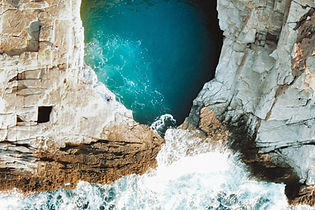
Psara is a rugged, rocky outpost defined by its stark limestone terrain and a coastline that feels raw and untouched. The landscape is mostly treeless and wild, dominated by low-lying shrubs and steep cliffs that plunge into the deep blue of the central Aegean. The island’s beaches are famous for their pristine isolation and crystal-clear waters, with Lakka standing out for its fine sand and protection from the northern winds. On the western side, Katsouni offers a more accessible but equally beautiful shore, while the dramatic Black Ridge (Mavri Rachi) serves as a somber natural monument overlooking the sea. Nature on Psara is experienced as a minimalist blend of sun-bleached stone, intense Aegean light, and a collection of silent, wind-swept bays that offer total solitude.
Areas to Explore
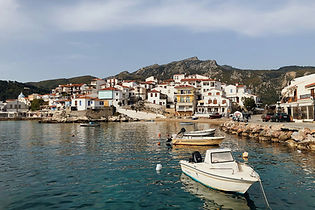
Psara Village is the island’s only settlement and a monument to its seafaring past, featuring white-washed houses with red-tiled roofs and a quiet harbor that once served as one of the most powerful naval bases in Greece.
Mavri Rachi (The Black Ridge) is the rugged, elevated peninsula overlooking the town, serving as a sacred site of remembrance where the island's defenders chose a heroic end during the War of Independence.
The Port District is the heart of daily life where the few local tavernas and fish markets are located, offering a place to watch the fishing boats bring in the famous Psarian lobsters.
Spitakia is a quiet residential area on the fringes of the main town, where the ruins of historic homes and narrow paths offer a glimpse into the island's more prosperous 19th-century architecture.
Archontiki is a coastal area on the western side of the island where researchers discovered a significant Mycenaean settlement, blending the island's modern history with its deep prehistoric roots.
These areas reflect how Psara is concentrated into a single, emotionally resonant town that stands as a living memorial to its dramatic history and its enduring maritime spirit.
Local Cuisine
Psara offers a culinary experience that is deeply tied to its seafaring history and its rugged, unyielding landscape. The island’s most prestigious dish is lobster pasta, as the surrounding rocky seabed is one of the richest lobster habitats in the Aegean. Another island staple is sougania, which are onions stuffed with a flavorful mix of rice and herbs, reflecting a tradition of making the most of local garden produce. Psara is also famous for its high-quality thyme honey and a unique local cheese called pittari, which is hard, salty, and perfect for grating over pasta. Dining here is a quiet, intimate affair, usually taking place in the few tavernas lining the historic port, where the atmosphere is filled with the scent of the sea and the slow pace of island life.
History
Psara, though small in size, holds a monumental place in the narrative of modern Greece. During the 18th century, the island developed into the third most powerful naval force in the country, after Hydra and Spetses, with a legendary fleet of merchant ships converted for war. Psara's most heroic and tragic moment came during the Greek War of Independence in 1824, when the island was completely destroyed by Ottoman forces in a brutal scorched-earth campaign known as the Destruction of Psara. This event, which saw the inhabitants choose a heroic death over surrender at the fortress of Paleokastro, inspired Dionysios Solomos to write his famous poem "The Glory of Psara." The island's most famous son, Konstantinos Kanaris, became a national hero for his daring fire-ship attacks against the Ottoman navy. Today, the quiet, sparsely populated island remains a sacred site of Greek patriotism, characterized by its austere monuments and the ruins of the Nikolaos Church, which stands as a silent witness to the island’s sacrifice.
Best Time to Visit
Psara is a destination for those seeking deep tranquility and historical reflection, and it is best visited from June through August. During the height of summer, the island’s stark, rocky landscape is bathed in bright Aegean light, and the sea is at its most inviting for swimming at Lakka beach. The most significant date in the island's calendar is June 24th, the anniversary of the "Holocaust of Psara," when the community gathers for moving commemorative events that honor the island's revolutionary history. During these months, the few tavernas and guesthouses are fully open, and the island feels like a close-knit summer retreat.
From September through May, Psara becomes one of the most secluded places in Greece. The permanent population is small, and the island’s atmosphere shifts to one of rugged, windswept beauty. The winter months can be challenging, as the small harbor is vulnerable to the fierce northern winds, which can lead to the isolation of the island for several days at a time. However, for those who wish to experience the absolute silence of the Aegean and the raw power of the sea, the off-season offers an unmatched sense of peace. Travelers during this time should be self-sufficient and prepared for a very quiet experience, as the island retreats into its own storied past.
Editors' Insider Tips
Psara is a place of profound historical weight, and our first tip is to visit the Mavri Rachi (Black Ridge). This is the site of the island's ultimate sacrifice during the War of Independence; standing at the monument overlooking the sea is a powerful experience that puts the entire island's character into perspective. For a more uplifting local tradition, try to find Psarian honey. It is produced in very small quantities and is highly prized for its purity, as the bees feed almost exclusively on wild white thyme.
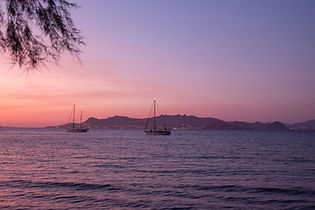
Since there are very few tourist facilities, our best logistical tip is to communicate with your guesthouse owner before you arrive. There are no car rentals on the island, but the locals are incredibly hospitable and will often arrange to pick you up or help you reach the more distant beaches like Lakka or Archontiki. For food, you must try the Psarian lobster pasta; like Fournoi, the prices here are a fraction of what you would pay elsewhere. Finally, keep an eye out for the traditional "kopanisti" cheese of Psara, it has a spicy, peppery kick that pairs perfectly with a glass of chilled ouzo as the sun sets over the harbor.
Frequently Asked Questions
1. How do I get to Psara?
Psara is a small, quiet island located northwest of Chios. Since it has no airport, you must arrive by sea.
From Piraeus (Athens): Conventional ferries run about twice a week. The journey typically takes between 6.5 to 7 hours.
From Chios: This is the most common connection. A local ferry runs from the main port of Chios (Mytilene line) or the smaller port of Volissos (Limnia). The crossing from Chios Town takes about 3 to 4 hours, while the small boat from Volissos is much faster (around 1.5 hours).
Island Hopping: You can also find seasonal connections to neighboring Oinousses and Lesvos.
2. Is there an ATM and pharmacy on the island?
Psara is very traditional and amenities are basic.
ATM: There is one ATM located in the main settlement (Chora). While it usually works, it is a good idea to bring enough cash for your entire stay as technical issues or cash shortages can occur.
Pharmacy: There is no pharmacy on Psara. There is a small regional medical clinic for emergencies, but you must bring your own supply of any required medications.
3. Do I need to rent a car?
A car is not essential, but it can make exploring the island's more remote spots easier.
Walking: The island is small and the main settlement is very walkable. Many of the best beaches near the town are reachable on foot.
Rentals: There are very few car or scooter rental options on the island. Most visitors either walk, bring their own vehicle on the ferry, or use the island's single taxi.
Electric Bikes: In recent years, a small station for electric bikes has been established to provide an eco-friendly way to see the island.
4. Which are the best beaches on Psara?
The beaches here are pristine, unorganized, and rarely crowded even in peak season.
Lazaretta: Often called the best beach on the island, featuring fine sand and crystal-clear, shallow water. It is about a 20-minute walk from the town.
Katsouni: The most popular beach within the settlement. It is sandy, shallow, and hosts a famous beach volleyball tournament every summer.
Lakka: A large, beautiful beach on the west side with white pebbles and deep blue water.
Psili Ammos (Antipsara): A world-class sandy beach located on the nearby islet of Antipsara. You can reach it via a 15-minute boat trip from Psara harbor.
5. Can you drink the tap water?
As of 2026, it is recommended to drink bottled water.
Usage: The tap water is safe for showering and cooking.
Taste: Because the island is rocky and dry, water is often sourced from desalination or local wells, giving it a heavy mineral taste. Bottled water is available at local grocery stores.
6. What is the "Mavri Rachi" (Black Ridge)?
This is the most historic and emotionally significant site on the island.
The History: During the Greek War of Independence in 1824, nearly the entire population of Psara was massacred or enslaved by Ottoman forces. At Mavri Rachi, the last defenders blew up the powder magazine rather than surrender.
The Monument: A simple, moving monument stands at the top of the hill to commemorate this sacrifice. It is a must-visit spot, especially at sunset for the panoramic views.
7. What should I eat?
Psara is a hidden gem for seafood lovers, particularly for one specific dish.
Lobster Pasta: Psara is famous for having some of the best and most affordable lobster in Greece. The "Lobster Pasta of Psara" is a signature dish in the harbor tavernas.
Thyme Honey: The island's honey is renowned for its quality and intense herbal flavor.
Sun-dried Fish: Look for local sun-dried fish served as a meze with ouzo.
8. What are the main sights in the town?
St. Nicholas Church: Standing at the highest point of the village, this grand church was built with marbles brought by Psarian sailors from all over the Mediterranean.
The House of Konstantinos Kanaris: Visit the birthplace of the legendary admiral and Greek Prime Minister who was a hero of the 1821 Revolution.
Spitalia: A historic stone building near the port that once served as a quarantine station for sailors; it now houses a unique restaurant.
9. Where is the best place to stay?
Accommodation is limited, so booking ahead is mandatory.
Chora: All available rooms to let and small hotels are located in the main (and only) village around the port.
Vibe: Expect simple, traditional guesthouses rather than luxury resorts.
10. How many days should I stay?
2 to 3 Days: Enough time to pay your respects at Mavri Rachi, enjoy a lobster pasta, and take a boat trip to Antipsara.
5 Days: Ideal if you want to experience the "absolute silence" of the island and hike the northern trails toward the Monastery of the Assumption.