


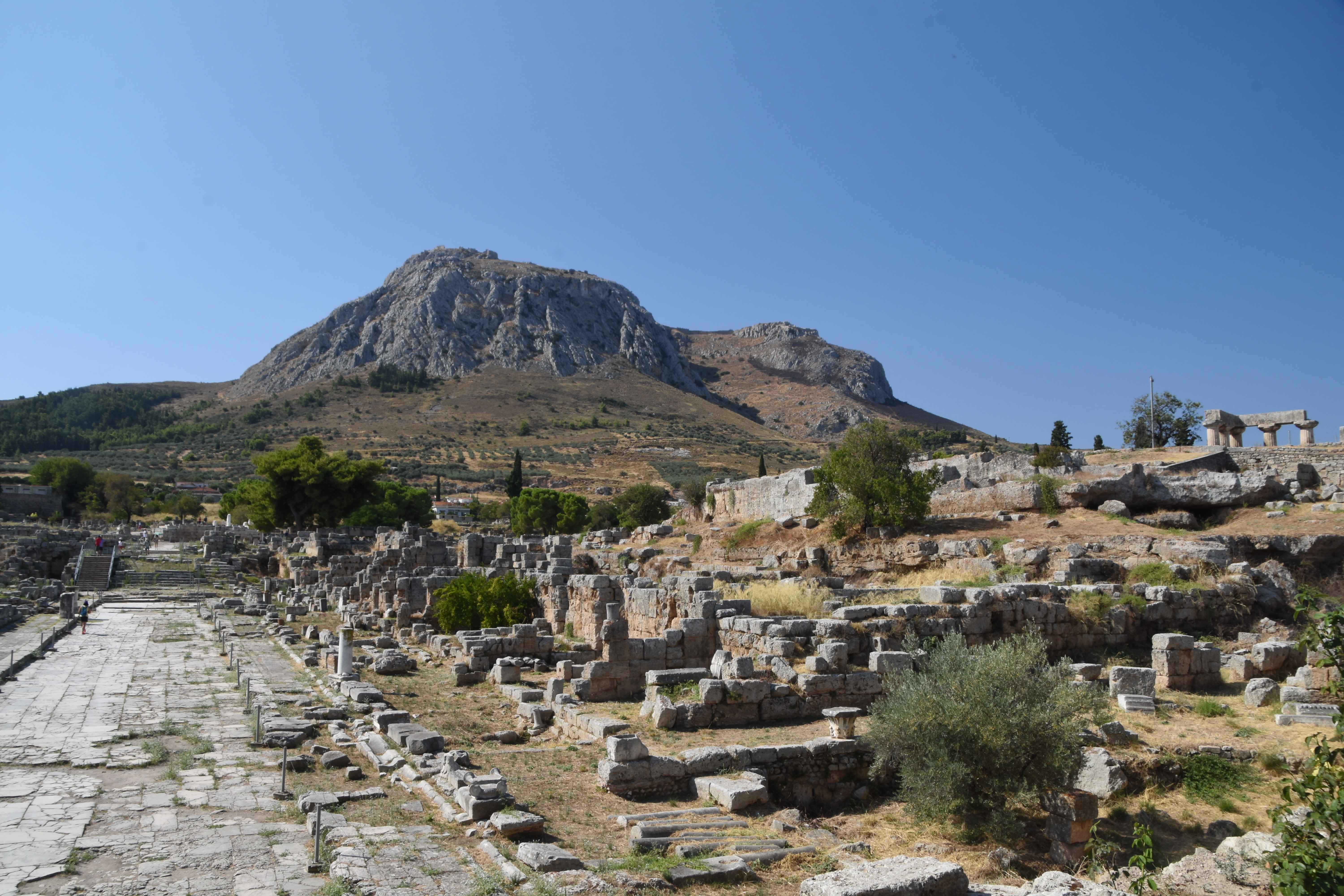
Weather in Corinth in January
January is the heart of winter in Corinth: cold and fairly changeable. Expect highs of about 11°C / 53°F and overnight lows near 4°C / 38°F. Nights are chilly, so bring something warm for the evenings. The sea averages about 15°C / 59°F, too cold for most people to swim. There are typically 6 rainy days, with around 47 mm of rain in total. Snow at sea level is rare, though the surrounding mountains often turn white during cold spells. Corinth sits on the narrow isthmus between two seas, which keeps it breezy for much of the year. Daylight lasts about 10 hours, so plan sightseeing for the middle of the day. Bring a warm winter coat, a hat, gloves and sturdy, waterproof footwear. Sunny spells between the rain can be beautiful, with clear air and long views. Make the most of the middle of the day, when it's warmest and brightest.
Swimming in Corinth in January
The sea around Corinth averages about 15°C / 59°F in January, which is cold for swimming, though a few hardy locals still take a dip. Save swimming plans for July, August and September, when the water is much warmer. Beaches such as Loutraki, just along the coast, are lovely for a walk, even when the water is too cold to swim. There are no lifeguards or beach services out of season, so swim with care. If you do go in, a wetsuit is a good idea.
Crowds & Prices in Corinth in January
January is one of the quietest months in Corinth, with few visitors and a local, everyday feel. Prices are at their lowest of the year, although fewer hotels are open. It's a good time to see everyday life, away from the summer bustle. With so few visitors, the atmosphere is genuinely local, and people have time to chat. Last-minute bookings are rarely a problem.
What's Open in Corinth in January
Everyday life carries on in Corinth in January, as it does all year. Everyday businesses stay open, while beach hotels and seasonal tavernas close. Archaeological sites and museums keep shorter winter hours. Most sites close on 1 January. It's a good time for museums and indoor sights, with few crowds. Cafés and tavernas are busy with locals, especially in the evenings and at weekends.
Festivals & Holidays in Corinth in January
New Year's Day is a public holiday, celebrated with family meals and vasilopita, a cake with a lucky coin baked inside. On 6 January, Epiphany, priests bless the waters, and young swimmers dive in to retrieve a cross thrown into the sea. In Corinth, these occasions are celebrated much as they are across the rest of Greece. Beyond that, it's a month of everyday life, with locals filling the cafés and tavernas in the evenings.
Is January a Good Time to Visit Corinth?
January is worth it for Corinth if you're interested in culture, food and walking rather than beaches. In numbers: highs of about 11°C / 53°F, lows of 4°C / 38°F and rain on around 6 days in a typical January. It's quiet, prices are low and the main town still has plenty going on, but the sea is cold and many resort businesses are closed. For beach weather, come in June, September or October instead.
Frequently Asked Questions
What time does the sun set in Corinth in January?
Sunset in Corinth is at around 5:20 pm at the start of January, around 5:30 pm in mid-January and around 5:50 pm by the end of the month, in Greek local time. With short days, plan outdoor sightseeing for the morning and early afternoon.
Does it snow in Corinth in January?
Rarely. Snow at sea level is unusual in this part of Greece, although a strong cold spell can bring a day or two of it, and the surrounding mountains often turn white. More typical January weather is cool and changeable, with sunny days mixed with rain and wind.
Can I visit the Corinth Canal in January?
Yes. The Corinth Canal is accessible all year, and it's quiet in January. Check the weather before you go, as rain and wind can make paths slippery and exposed spots cold. The best views are from the pedestrian bridge on the old road.
Do I need a car in Corinth in January?
Not for Corinth itself, which is easy to explore on foot. A car is the best way to reach Ancient Corinth, Acrocorinth and Nafplio, as bus connections are much less frequent in winter.
Is January or February better for visiting Corinth?
There's not much in it. Both are quiet winter months with cool, changeable weather. February has slightly longer days and often the start of carnival season, while January is the quietest month of the year. Either works for a relaxed, local-feeling trip.

Corinth Weather by Month
