


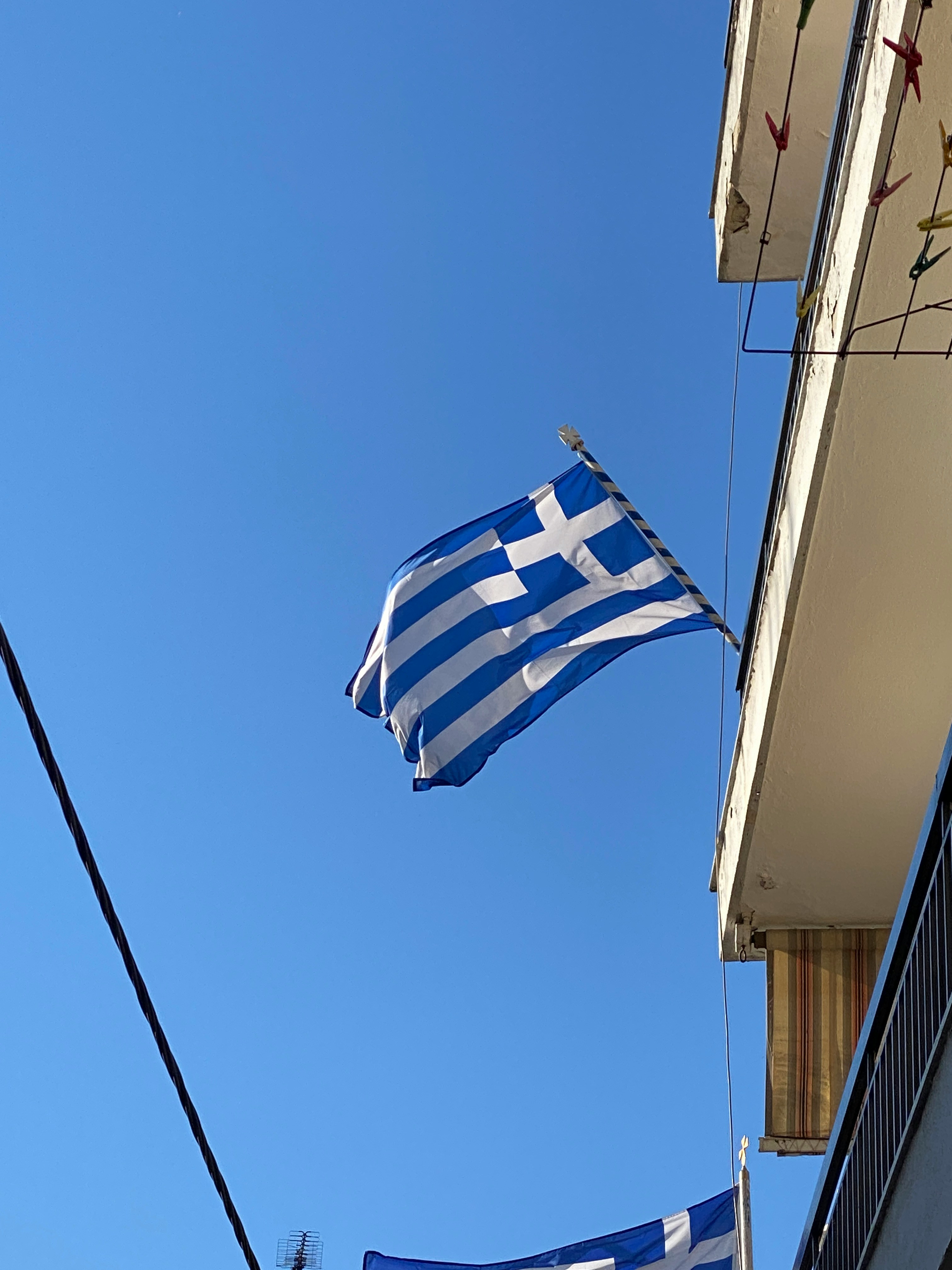
Weather in Larissa in July
In Larissa, July brings high-summer weather that is hot and mostly dry. Expect highs of about 34°C / 92°F and overnight lows near 19°C / 65°F. With no sea to cool things down, there's a big swing between the heat of the afternoon and the cooler night. There are typically 3 rainy days, with around 22 mm of rain in total. Larissa lies in the middle of the Thessalian plain, one of the hottest parts of Greece in summer. Far from any sea breeze, the inland plains are among the hottest places in Greece in summer. You get about 14½ hours of daylight a day, leaving long, light evenings. Pack light, breathable clothes, a sun hat, high-factor sunscreen and sunglasses. Heat can build on still days, so drink plenty of water and take breaks in the shade. Get out early and late, and save the hottest hours of the afternoon for a siesta.
Swimming in Larissa in July
There's no sea in Larissa, so swimming means a trip to the Aegean coast at Platamonas and Agiokampos, about an hour's drive away. In July, the sea there averages around 26°C / 78°F, and it's a good day trip for a swim. The warmest water comes in July and August. It makes an easy day out, with tavernas right by the shore. Go early to beat the traffic and find space on the beach.
Crowds & Prices in Larissa in July
July is the busiest month for travel around Larissa, mostly with Greek families visiting relatives and heading for the coast. Prices for rooms and car hire are at their yearly high. Weekdays are calmer than weekends at the most popular spots. Early mornings and late afternoons are the quietest times at popular sights. Booking ahead is wise for weekends and holidays.
What's Open in Larissa in July
Everyday life carries on in Larissa in July, as it does all year. Hotels and restaurants are open as normal. Museums and sites are open on extended summer hours. Outdoor café terraces are in full use. Cafés and tavernas are busy with locals, especially in the evenings and at weekends. Public transport and services run as normal. Plan ahead for public holidays, when many businesses close.
Festivals & Holidays in Larissa in July
Saint days such as Prophet Elias on 20 July bring feasts to chapels across the country, often on hilltops. July is the start of the panigyri season, when villages celebrate their saints' days with music, dancing and long tables of food, often late into the night. In Larissa, these occasions are celebrated much as they are across the rest of Greece. Look out for posters announcing local feasts and concerts, often only a few days ahead.
Is July a Good Time to Visit Larissa?
July is fine for Larissa if you can handle the heat. Expect highs of around 34°C / 92°F, lows near 19°C / 65°F and rain on around 3 days. Inland temperatures peak in summer, so plan sightseeing for early morning and evening and rest at midday. It suits travelers combining the area with a trip to the coast. For more comfortable conditions, May, June, September or October would be better.
Frequently Asked Questions
What time does the sun set in Larissa in July?
Sunset in Larissa is at around 9:00 pm at the start of July, around 9:00 pm in mid-July and around 8:45 pm by the end of the month, in Greek local time. The long evenings leave plenty of daylight after the heat of the day.
How hot does Larissa get in July?
Very hot at times. Inland areas away from sea breezes are among the hottest parts of Greece in July, and heatwaves are common. Midday can be too hot for sightseeing, so start early, rest in the shade in the afternoon and head out again in the evening.
Can I visit the Ancient Theater of Larissa in July?
Yes. The Ancient Theater of Larissa is open on longer summer hours, but July is hot and busy. Go right at opening time or late in the day, bring water and a hat, and expect crowds around midday. It's right in the city center.
Do I need a car in Larissa in July?
Not for Larissa itself, which is easy to explore on foot. A car is the best way to reach Meteora, Mount Olympus and the Tempe Valley, as bus connections are limited.
Is July or August better for visiting Larissa?
There's little to choose between them, as both are hot inland, with frequent heatwaves. August may bring the odd cooling thunderstorm late in the month, and many Greeks return to their home towns and villages around 15 August, which makes it a lively time for local festivals.

Larissa Weather by Month
