


Weather in Patmos in January
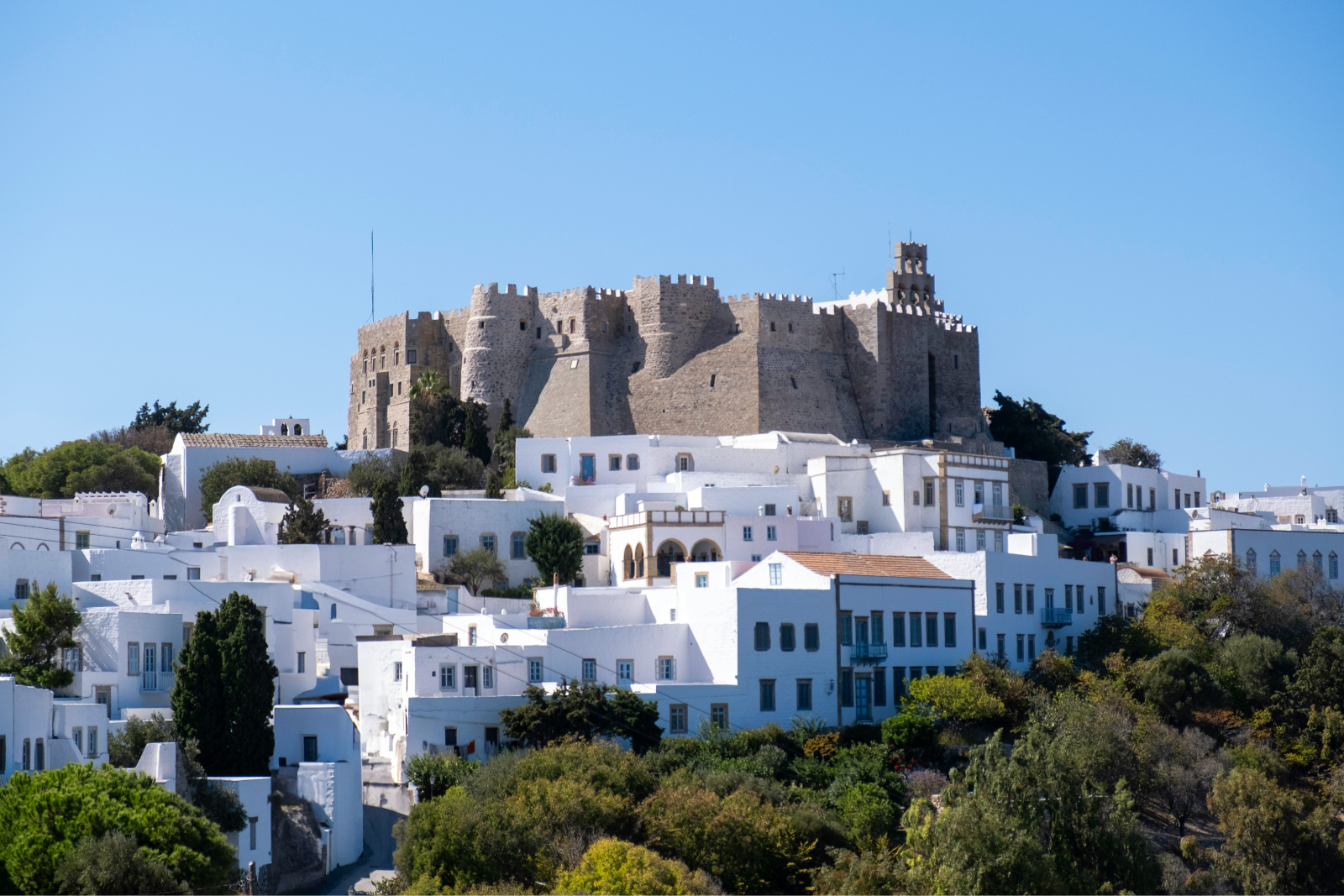
In Patmos, January brings midwinter weather that is cool and often wet. Expect highs of about 13°C / 56°F and overnight lows near 7°C / 45°F. The sea averages about 17°C / 63°F, cold enough that only hardy swimmers go in. Rain falls on around 9 days, with about 137 mm in total, usually in bursts rather than all-day drizzle. Winter here is shaped by the wind: storms sweep through regularly, often followed by calm, bright days. Patmos is a small, hilly island in the northern Dodecanese, crowned by the fortified monastery above its Chora. You get about 10 hours of daylight a day, so plan sightseeing for the middle of the day. Pack a warm jacket, layers and a waterproof, plus shoes that can handle wet paths. Sunny spells between the rain can be beautiful, with clear air and long views. Make the most of the middle of the day, when it's warmest and brightest.
Swimming in Patmos in January
At around 17°C / 63°F, the sea in Patmos is too cold for most people to swim in January. The best time for swimming is July, August and September, with August usually the warmest. Beaches such as Psili Ammos are lovely for a walk, even when the water is too cold to swim. There are no lifeguards or beach services out of season, so swim with care. If you do go in, a wetsuit is a good idea.
Crowds & Prices in Patmos in January
Tourism in Patmos slows right down in January. It's the cheapest time to visit, with the best deals on accommodation. With so few visitors, the atmosphere is genuinely local, and people have time to chat. It's a good time to see everyday life, away from the summer bustle. Tavernas that stay open cater mainly to locals, which is often when the food is best. Last-minute bookings are rarely a problem.
What's Open in Patmos in January
Ferries to Patmos from Piraeus run all year, but less often in January, and rough seas can cancel sailings. Most hotels, restaurants and bars close for the winter, and only a few places stay open for locals. Museums and archaeological sites are open on winter hours. Most sites close on 1 January. It's worth calling ahead to restaurants, as off-season hours can be irregular.
Festivals & Holidays in Patmos in January
On 6 January, Epiphany, priests bless the waters, and young swimmers dive in to retrieve a cross thrown into the sea. New Year's Day is a public holiday, celebrated with family meals and vasilopita, a cake with a lucky coin baked inside. Locals in Patmos mark these dates in the traditional way, and visitors are welcome to join in. Beyond that, it's a month of everyday life, with locals filling the cafés and tavernas in the evenings.
Is January a Good Time to Visit Patmos?
Yes, if you're after a quiet, local-feeling trip. In numbers: highs of about 13°C / 56°F, lows of 7°C / 45°F and rain on around 9 days in a typical January. In January, Patmos is ideal for visiting the Cave of the Apocalypse, museums and long lunches, with few other visitors around. Don't come for swimming or nightlife, though. For sun and sea with fewer crowds than summer, choose June, September or October.
Frequently Asked Questions
What time does the sun set in Patmos in January?
In early January, the sun sets in Patmos at around 5:05 pm. By mid-month it's around 5:20 pm, and by the end of January around 5:35 pm. All times are Greek local time. With short days, plan outdoor sightseeing for the morning and early afternoon.
Is the sea rough in Patmos in January?
It can be. January is one of the stormiest months in the Aegean, and strong northerly or southerly winds regularly whip up rough seas. On the worst days, ferries and small boats are delayed or cancelled, so leave a spare day before any flight home. Calm, sunny spells between storms are common too.
Can I visit the Cave of the Apocalypse in January?
Yes. The Cave of the Apocalypse is open in January, though winter hours are shorter and there are closing days, so check before you go. It's peaceful, with few visitors. Dress modestly, with shoulders and knees covered; women are traditionally expected to wear a skirt, and wraps are often lent at the entrance. The Monastery of Saint John above it is also worth the climb.
Do I need a car on Patmos in January?
It helps. Buses run on a much thinner timetable in January, and some routes stop completely, so a hire car is the easiest way to explore. Rental rates are low off-season, but fewer agencies are open, so book ahead.
Is January or February better for visiting Patmos?
There's little between them. Both are the heart of the off-season, with cool, changeable weather and a quiet, local feel. February brings slightly longer days, the first almond blossom and often the start of carnival season, while January has Epiphany on 6 January. Choose by your dates, and keep ferry plans flexible.

Patmos Weather by Month
