


Weather in Xanthi in February
In Xanthi, February brings late-winter weather that is cold and fairly changeable. Average highs reach 10°C / 51°F, with lows of around 1°C / 35°F. Nights are very cold. With no sea to soften the cold, temperatures swing more between day and night than on the coast. There are typically 5 rainy days, with around 39 mm of rain in total. Inland Greece has real winters, with frosty nights, fog in the valleys and occasional snow. Xanthi lies at the foot of the Rhodope mountains in Thrace, with cold winters and hot summers. Days bring around 10½ hours of daylight, so plan sightseeing for the middle of the day. Pack a proper winter coat, gloves, a hat and waterproof shoes. Short days and changeable skies are part of the appeal, with fewer visitors and a more local feel. Make the most of the middle of the day, when it's warmest and brightest.
Swimming in Xanthi in February
Xanthi is inland, and the nearest swimming is at the beaches near Avdira, about half an hour's drive away. The coast there averages around 12°C / 54°F in February, so it's too cold for most swimmers. The warmest water comes in July and August. It still makes a pleasant day out for a walk and a seaside lunch. Expect quiet beaches with few facilities at this time of year.
Crowds & Prices in Xanthi in February
You'll have Xanthi largely to yourself in February. Rates for rooms and car hire drop to their yearly lows. Tavernas that stay open cater mainly to locals, which is often when the food is best. It's a good time to see everyday life, away from the summer bustle. With so few visitors, the atmosphere is genuinely local, and people have time to chat. Last-minute bookings are rarely a problem.
What's Open in Xanthi in February
Xanthi is a lived-in town, so shops, cafés and services run as normal in February. Hotels and restaurants are open as normal. Museums and archaeological sites are open on winter hours. Cafés and tavernas are busy with locals, especially in the evenings and at weekends. It's a good time for museums and indoor sights, with few crowds. Public transport and services run as normal.
Festivals & Holidays in Xanthi in February
February is usually carnival season, known as Apokries, with parties, costumes and parades in the weeks before Lent. Xanthi's carnival, one of the largest in northern Greece, brings folk music, costumes and parades. Clean Monday, the first day of Lent, falls in February or March and is a public holiday, marked with kite flying, picnics and meatless feasts.
Is February a Good Time to Visit Xanthi?
Only if you don't mind the cold. In February, Xanthi is chilly, often foggy and quiet, with short days. Expect highs of around 10°C / 51°F, lows near 1°C / 35°F and rain on around 5 days. It suits business travelers, food lovers or anyone passing through. For a more enjoyable trip, May, June, September or October would bring far better weather for exploring.
Frequently Asked Questions
What time does the sun set in Xanthi in February?
Sunset in Xanthi is at around 5:35 pm at the start of February, around 5:55 pm in mid-February and around 6:10 pm by the end of the month, in Greek local time. With short days, plan outdoor sightseeing for the morning and early afternoon.
Is it cold in Xanthi in February?
Yes. February is still winter inland, with cold mornings, frequent frost and a chance of snow. Sunny days can feel pleasant at midday, but it gets cold quickly after dark. By late February, the first almond blossom often appears.
Can I visit Xanthi's old town in February?
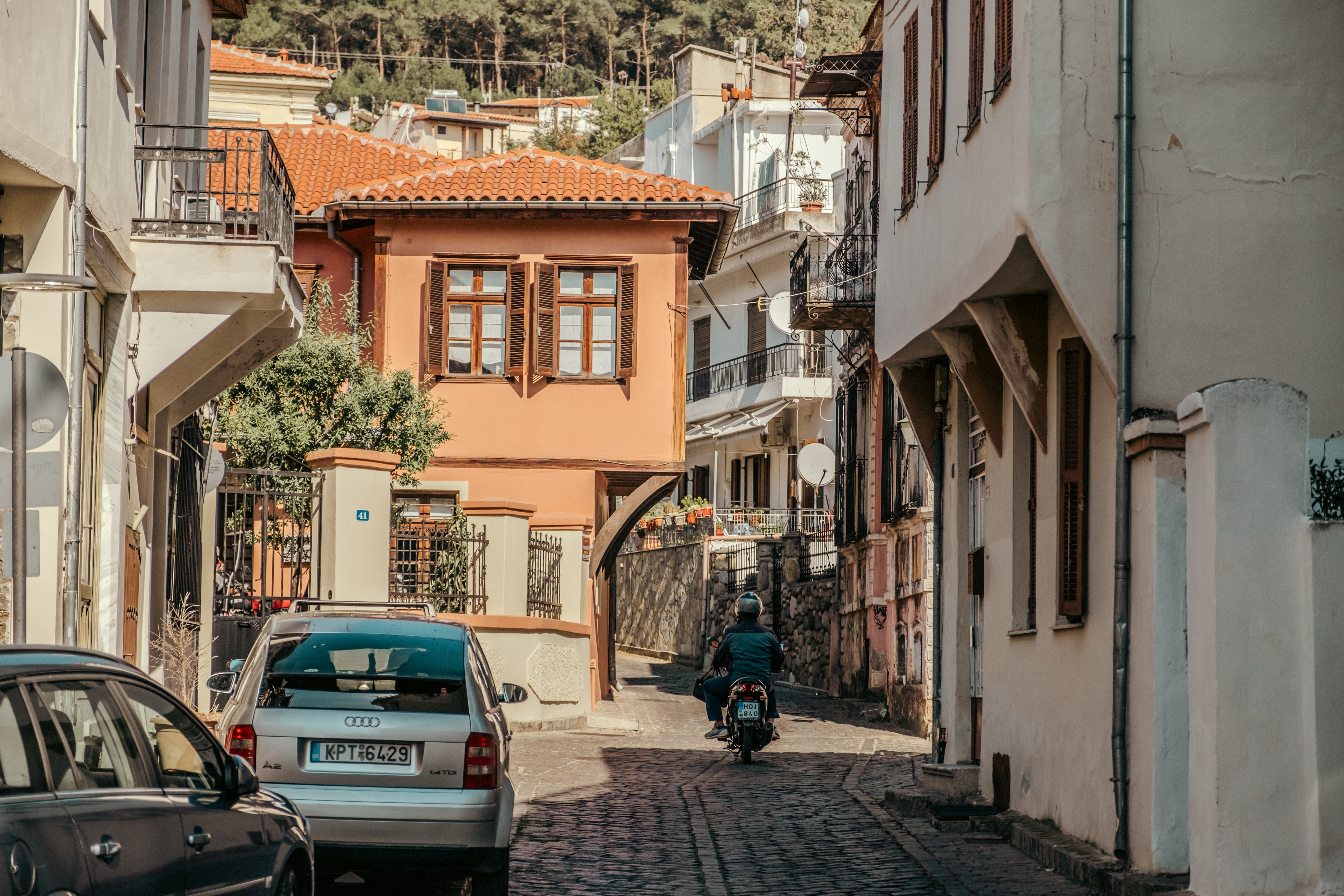
Yes. You can explore Xanthi's old town any time of year. In February it's quiet, with few visitors, and some tourist shops and cafés close for the season, but it feels authentic and peaceful. Its mansions and cobbled lanes date from the tobacco trade.
Do I need a car in Xanthi in February?
Not for Xanthi itself, which is easy to explore on foot. A car is the best way to reach the Pomak villages of the Rhodope mountains, as bus connections are much less frequent in winter.
Is February or March better for visiting Xanthi?
March, usually. Days are longer and milder, and spring begins to appear, although nights can still be frosty. February is colder and more likely to bring snow, which is only a bonus if you want a wintry trip.

Xanthi Weather by Month
