


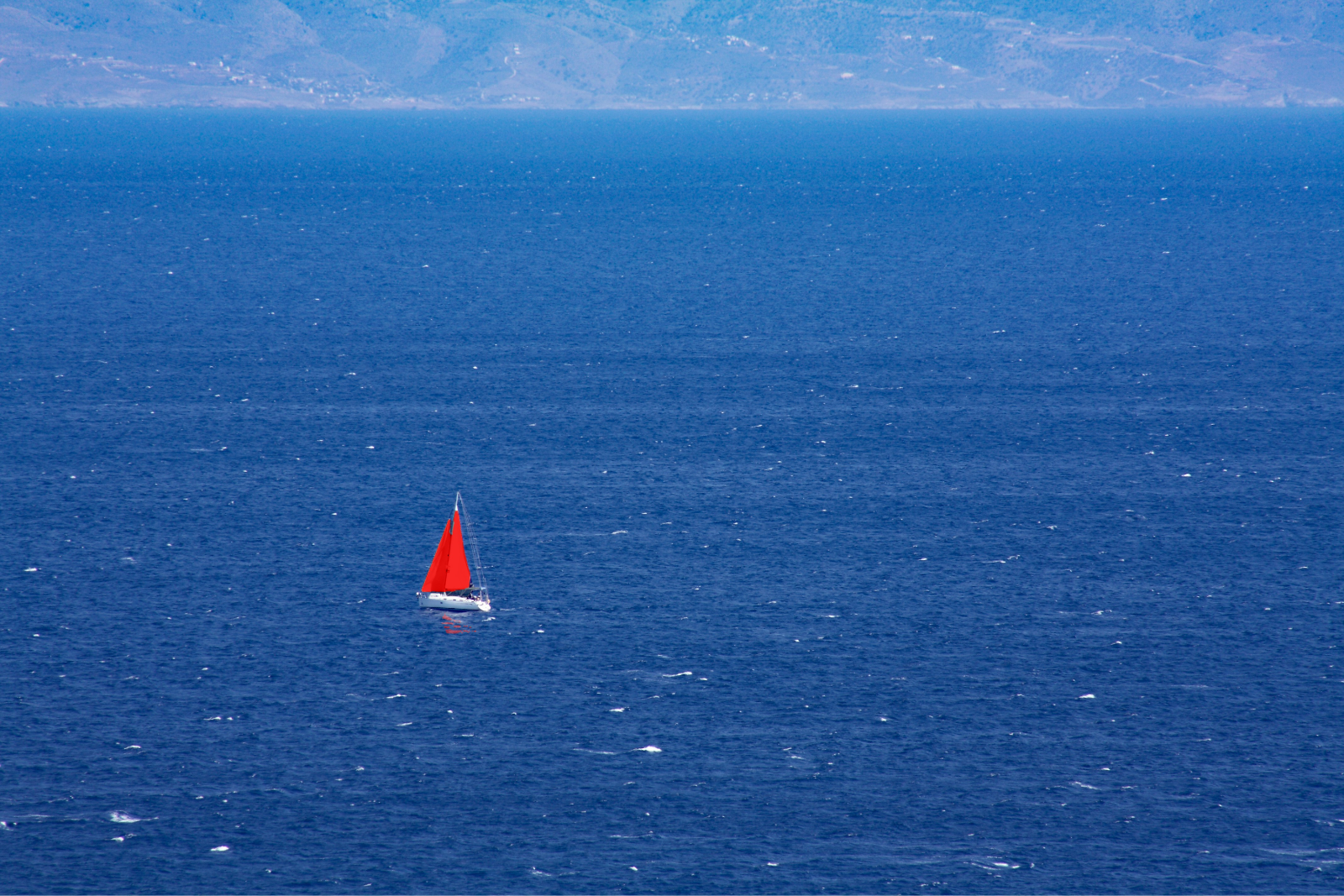
Weather in Dokos in January
January in Dokos means midwinter conditions: cool and fairly changeable. Temperatures typically peak at around 13°C / 56°F in the afternoon and fall to about 7°C / 44°F at night. The sea averages about 16°C / 61°F, cold enough that only hardy swimmers go in. Rain falls on around 6 days, adding up to about 47 mm over the month. Dokos is a rocky, almost uninhabited island between Hydra and the Peloponnese coast. Snow at sea level is rare, though the surrounding mountains often turn white during cold spells. Days bring around 10 hours of daylight, so plan sightseeing for the middle of the day. Bring a warm coat, layers, an umbrella and shoes that can cope with rain. Sunny spells between the rain can be beautiful, with clear air and long views. Weather can change quickly at this time of year, so check the forecast before a long day out. Make the most of the middle of the day, when it's warmest and brightest.
Swimming in Dokos in January
Swimming isn't really on the cards in Dokos in January, with the water at around 16°C / 60°F. Save swimming plans for July, August and September, when the water is much warmer. There are no lifeguards or beach services out of season, so swim with care. Shallow, sheltered bays feel a little warmer on still, sunny afternoons. A wetsuit makes a big difference if you want to get in.
Crowds & Prices in Dokos in January
Tourism in Dokos slows right down in January. It's the cheapest time to visit, with the best deals on accommodation. With so few visitors, the atmosphere is genuinely local, and people have time to chat. It's a good time to see everyday life, away from the summer bustle. Check that your accommodation is open before you travel, as many places close for winter.
What's Open in Dokos in January
There's no regular ferry to Dokos; you'll need a water taxi or private boat from Hydra or Ermioni. Only a handful of rooms and one or two tavernas stay open, and some days almost nothing is. Museums and archaeological sites are open on winter hours. Most sites close on 1 January. Check opening days before setting out, as some places open only at weekends.
Festivals & Holidays in Dokos in January
On 6 January, Epiphany, priests bless the waters, and young swimmers dive in to retrieve a cross thrown into the sea. New Year's Day is a public holiday, celebrated with family meals and vasilopita, a cake with a lucky coin baked inside. Locals in Dokos mark these dates in the traditional way, and visitors are welcome to join in. Outside these dates, it's a good time to experience ordinary Greek life, from the weekly market to the evening stroll.
Is January a Good Time to Visit Dokos?
January is only worth it if you want total peace. Expect highs of around 13°C / 56°F and lows near 7°C / 44°F. Dokos is at its quietest, with most rooms and tavernas closed, fewer ferries and changeable weather. It suits travelers who want to experience island life at its most local and don't mind simple comforts. For almost everyone else, June, September or October would be a far better time to visit.
Frequently Asked Questions
What time does the sun set in Dokos in January?
In early January, the sun sets in Dokos at around 5:20 pm. By mid-month it's around 5:30 pm, and by the end of January around 5:50 pm. All times are Greek local time. With short days, plan outdoor sightseeing for the morning and early afternoon.
Does it snow in Dokos in January?
Rarely. Snow at sea level is unusual in this part of Greece, although a strong cold spell can bring a day or two of it, and the surrounding mountains often turn white. More typical January weather is cool and changeable, with sunny days mixed with rain and wind.
Can I take a day trip to Dokos in January?
Not easily. Dokos is almost uninhabited and has no regular ferry, so reaching it in January means arranging a private boat or water taxi from Hydra or Ermioni on a calm day. Bring everything you need.
How do I get around Dokos in January?
On foot. Dokos is almost uninhabited, with no roads, shops or public transport, so you'll walk or explore the coast by boat. Bring everything you need for the day, including water, food and sun protection.
Is January or February better for visiting Dokos?
There's little between them. Both are the heart of the off-season, with cool, changeable weather and a quiet, local feel. February brings slightly longer days, the first almond blossom and often the start of carnival season, while January has Epiphany on 6 January. Choose by your dates, and keep ferry plans flexible.

Dokos Weather by Month
