Dokos

An untouched wilderness of ancient ruins and silent bays, offering a raw, self-sufficient escape into the Saronic’s most secluded maritime landscape.
Intro
Dokos is an island defined by absence and ancient silence, serving as a rare piece of untouched Mediterranean wilderness. With no permanent settlements or infrastructure, the island's character is shaped entirely by its rugged limestone terrain and the crystal-clear waters of its protected bays. Historically significant as the site of one of the world's oldest shipwrecks, it feels like a time capsule where the only signs of life are visiting yachts and the occasional herd of goats. Dokos is raw and uncompromising, appealing to the adventurous soul who finds luxury in total isolation and the stark beauty of the natural world.
Who It’s Best For
Dokos is a hidden gem reserved for true adventurers and sailing enthusiasts who want to experience the Greek islands in their most raw, untouched state. Since the island is virtually uninhabited and has no hotels or infrastructure, it is a paradise for yachters and boaters seeking a safe, crystal-clear anchorage in the famous Skintos Bay. It is a bucket-list destination for archaeology buffs, as it is the site of the world’s oldest known shipwreck discovery. If you are a wild camper, star-gazer, or off-the-grid hiker who doesn't mind the lack of amenities in exchange for total silence and some of the most pristine snorkeling waters in the Aegean, Dokos offers a rare "desert island" experience that feels worlds away from the 21st century.
Who It’s Best For: A Quick Breakdown
Traveler Type | Why They’ll Love Dokos |
Yachters & Sailors | Offers one of the most protected and scenic natural bays (Skintos Bay) in the Saronic Gulf. |
History & Archaeology Buffs | Site of the Dokos Shipwreck (dating to 2700–2200 BC), the oldest underwater wreck ever found. |
Wild Campers | One of the few places where experienced campers can enjoy a truly "off-grid" Mediterranean night. |
Snorkelers & Divers | The lack of coastal development means extraordinary water clarity and thriving marine life. |
Photography Purists | Features a rugged, barren landscape and an iconic lighthouse with zero light pollution for astrophotography. |
Things to Know
The most vital thing to understand about Dokos is that it is entirely uninhabited and lacks all basic tourist infrastructure. There are no hotels, no shops, no ATMs, and—most importantly—no reliable source of drinking water on the island. If you are planning to spend the day or camp overnight, you must carry in every single supply you need and, crucially, carry all your trash back out to maintain the island's pristine status. Access is strictly by private boat or water taxi from Hydra or Ermioni, so you must pre-arrange your return trip with a captain, as you cannot simply "hail" a boat once you are there. For hikers and history buffs, be aware that the terrain is rugged and largely unshaded; the path to the summit and the lighthouse is beautiful but requires serious sun protection and sturdy footwear. Finally, while the waters are a dream for snorkelers, keep a respectful distance from the seabed in the Skintos Bay area, as it remains a site of significant underwater archaeological importance.

Things To Do
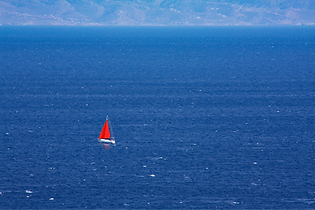
Anchor in Skintos Bay to experience one of the most protected and scenic natural harbors in the Saronic Gulf which is a favorite for private yachts and sailboats.
Snorkel over the shipwreck site to explore the underwater garden of marine life where the world's oldest known shipwreck was discovered by archaeologists.
Hike to the Byzantine Castle ruins on the eastern side of the island to see the remains of a strategic fortification and enjoy panoramic views of the surrounding sea.
Visit the Dokos Lighthouse which stands on the rugged coastline and offers a perfect vantage point for watching the sunset over the Peloponnese.
Explore the prehistoric settlement ruins scattered across the island's interior which provide a rare look into life during the 3rd millennium BC.
Enjoy wild swimming in secluded coves where the water is exceptionally clear and you are likely to be the only person in the bay.
These activities reflect how Dokos is experienced through private boat exploration, rugged nature hiking, and archaeological discovery rather than commercial tourism or organized island facilities.
Beaches or Nature
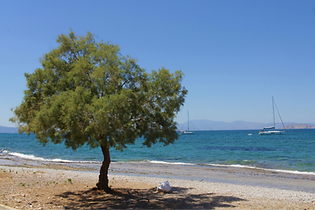
Dokos is a rugged, barren, and almost entirely untouched landscape defined by its harsh beauty and total isolation. The island lacks the organized sandy beaches of its neighbors, offering instead deep, protected bays with exceptionally clear water that is ideal for snorkeling and diving. Its terrain is characterized by dry, rocky hills covered in low Mediterranean scrub and wild herbs, providing a stark, minimalist backdrop to the cobalt blue of the surrounding sea. Because there is no permanent human infrastructure, the nature here feels ancient and prehistoric, dominated by the sounds of the wind and the sea. Nature on Dokos is experienced as a raw, silent wilderness where the coastline serves as a private sanctuary for those arriving by boat.
Areas to Explore
Skintos Bay is the primary focal point of the island and serves as a massive natural harbor where most boats anchor to enjoy the calmest swimming waters and the best views of the rugged coastline.
The Eastern Ridge is the highest and most prominent part of the island's terrain, home to the ruins of a Byzantine castle and the historic lighthouse that overlooks the sea toward Hydra.
The Archaeological Zone consists of the plains and slopes near the northern shore where the remains of a significant Early Helladic settlement and the world's oldest shipwreck site are located.
These areas reflect how Dokos is experienced as a strictly natural and historical preserve where exploration is defined by maritime anchoring points and ancient ruins rather than modern settlements.
Local Cuisine
Dokos is an uninhabited island with no permanent residents, shops, or tavernas, meaning its "cuisine" is entirely defined by the self-sufficiency of visiting sailors. There are no local specialties or signature dishes produced on the island itself; instead, dining here is a raw, picnic-style experience centered around what is brought ashore or caught in its pristine waters. Visitors often enjoy freshly caught seafood grilled over small beach fires or simple Mediterranean mezes prepared on the decks of anchored yachts. Because there is no commercial footprint, the food experience on Dokos is about the luxury of silence and isolation, where a simple meal of olives, crusty bread, and local wine is elevated by the island’s ancient, untouched atmosphere.
History
Dokos is home to one of the most significant underwater archaeological discoveries in the world. In 1975, the Dokos shipwreck was identified as the oldest known shipwreck ever found, dating back to the Early Helladic period between 2700 and 2200 BC. While the island itself has remained mostly uninhabited and barren throughout the centuries, its strategic location at the mouth of the Hydra Gulf made its waters a frequent site for ancient maritime traffic and naval skirmishes. During the Greek War of Independence, the island's protected bays were used as a safe anchorage for the revolutionary fleet. The history of Dokos is not found in standing buildings, but rather in the ancient pottery and Early Bronze Age artifacts resting on the sea floor that tell a story of thousands of years of seafaring.
Best Time to Visit
Dokos is a nearly uninhabited island with no formal tourist infrastructure, making it a destination almost exclusively for the summer sailing season from June through September. During these months, the calm waters of Skintos Bay provide a safe anchorage for private yachts and water taxis coming from Hydra or Spetses. This is the only time when the island is practical to visit for swimming in its turquoise bays or camping under the stars.
From October through May, Dokos is essentially inaccessible to the average traveler. There are no scheduled ferries, and the rougher sea conditions make small boat crossings difficult. While the island is a favorite for off-grid hikers and archaeologists, visiting during the winter requires private arrangements and total self-sufficiency, as there are no shops, cafes, or permanent services available on the island at any time of year.
Editors Insider Tips
Because Dokos is essentially an uninhabited rock, the most important tip is to arrive fully prepared. There are no shops, no running water, and no shade structures, so if you are taking a water taxi from Hydra or Ermioni for the day, you must bring your own food, plenty of water, and sun protection. If you are a fan of history, keep in mind that the famous Early Helladic shipwreck is strictly protected; while you can swim in the general area of the bay, any underwater exploration should be done with respect for the archaeological significance of the site.
For hikers, the climb to the summit of the island offers one of the most incredible panoramic views of the Saronic Gulf, but the terrain is rugged and lacks marked trails. Wear high-quality boots and be wary of the midday sun. If you are visiting by private boat, Skintos Bay is the best place to anchor, but it can get crowded with yachts during August weekends. For a truly "insider" experience, try to arrive in the late afternoon after the day-trippers depart to enjoy the absolute silence and some of the best stargazing in the entire Aegean.
Frequently Asked Questions
1. How do I get to Dokos?
Dokos is an uninhabited island with no ferry service, so access is strictly by private means.
Water Taxis: You can hire a water taxi from the nearby ports of Hydra, Spetses, or Ermioni on the mainland.
Private Boat: It is a favorite stop for sailing yachts and motorboats cruising the Saronic Gulf.
Excursions: Some organized day tours from Hydra include Dokos as a stop for swimming and snorkeling.
2. Is there electricity or running water on the island?
No, Dokos is a wild, off-grid island with no modern infrastructure.
Utilities: There is no electricity grid and no municipal water supply.
Supplies: You must bring everything you need for your visit, including plenty of drinking water, food, and power banks.
Tavernas: There is one very primitive, family-run taverna in Skintos Bay that is occasionally open during the peak summer months, but it should not be relied upon for supplies.
3. Can I stay overnight on Dokos?
There are no hotels, guesthouses, or official rentals on the island.
Yachting: Most people stay overnight on their own boats anchored in the sheltered bays.
Free Camping: Dokos is a popular destination for free campers who value solitude and nature, though you must be fully self-sufficient and follow leave-no-trace principles.
Lighthouse: There is a historic lighthouse built in 1923 on the eastern side, but it is not open for overnight stays.
4. What is the "Oldest Shipwreck in the World"?
Dokos is world-famous among archaeologists for a major discovery made in its waters.
The Wreck: In 1975, the oldest known underwater shipwreck was discovered off the coast of Dokos. It dates back to the Early Helladic period (2700 to 2200 BC).
The Cargo: While the wooden ship has long since dissolved, archaeologists found over 500 clay vases, urns, and stone anchors.
Where to see it: The artifacts recovered from the wreck are currently housed in the Museum of Spetses.
5. Which are the best beaches on Dokos?
The coastline of Dokos is rocky and rugged, with small, clean coves.
Skintos Bay: The largest and most popular bay on the north side. It offers deep turquoise water and is the safest spot for anchoring.
Mouzaki: A smaller, quieter cove with crystal-clear water, ideal for snorkeling away from the main yachting crowds.
Agios Nikolaos: A small beach near the chapel of the same name, offering a peaceful spot for a swim.
6. Do I need to rent a car?
No, there are no roads and no vehicles on Dokos.
Transport: The island is crossed only by rough goat paths and hiking trails.
Walking: If you plan to hike to the Byzantine castle ruins or the summit, you should wear sturdy shoes, as the terrain is very rocky and barren.
7. What should I bring with me?
Because the island is completely undeveloped, preparation is key.
Essentials: Large quantities of water, high-SPF sunscreen, a hat, and all your food.
Footwear: Sturdy hiking boots or sneakers if you plan to leave the beach, as the volcanic rock can be sharp.
Trash Bags: You must take all your waste back with you to the mainland or your boat.
8. What are the ruins of Kastelli?
On the eastern hill of the island, you can find the remains of a significant historic site.
Byzantine Castle: The ruins of a fortified settlement and a large basilica dating back to the 7th century AD.
The View: The hill offers a strategic "endless view" of the surrounding sea, which is why the island was known in antiquity as Aperopia.
9. Is Dokos good for snorkeling?
Yes, Dokos is considered one of the best snorkeling spots in the Saronic Gulf.
Marine Life: Because there is no permanent human settlement and limited boat traffic compared to the main islands, the underwater "gardens" are thriving with fish and interesting rock formations.
Visibility: The water clarity around the northern coves is exceptional.
10. How many days should I stay?
Day Trip: Most people find that 4 to 6 hours is plenty of time to enjoy the isolation, swim in the clear bays, and hike to the ruins.
Overnight: Only recommended for those on a sailboat or experienced campers who enjoy total silence and stargazing far from city lights.


Discover Beaches on this Island
Discover more Greek Islands in the Saronic