


Samos

A lush powerhouse of intellectual heritage and Muscat vineyards, where ancient engineering marvels meet emerald forests.
Intro
Samos is a lush and mountainous island in the North Aegean that is celebrated as the birthplace of the great mathematician Pythagoras and the goddess Hera. The island is famous for its dense forests, cascading waterfalls, and the production of its world-renowned Muscat wine. Home to the Heraion, an ancient sanctuary of immense scale, and the Tunnel of Eupalinos, an engineering marvel of the ancient world, Samos offers a perfect blend of intellectual history and verdant natural beauty that stretches from the heights of Mount Kerkis down to its turquoise shores.
Who It’s Best For
Samos is a multifaceted destination that appeals to intellectual travelers and nature enthusiasts who want a holiday that balances archaeological discovery with lush, outdoor adventure. It is the ideal choice for history buffs and engineering fans, as the island is home to UNESCO World Heritage sites like the Tunnel of Eupalinos and the Temple of Hera. Because the island is incredibly green and mountainous, it suits hikers and botanists who enjoy exploring waterfalls, canyons, and the rare ecosystems of Mount Kerkis. While the island features cosmopolitan hubs like Pythagoreio, its deep-rooted traditions make it a top pick for food and wine connoisseurs who want to experience the legendary Muscat vineyards and authentic village life in the mountain settlements of Manolates and Vourliotes.
Who It’s Best For: A Quick Breakdown
Traveler Type | Why They’ll Love Samos |
History & Science Fans | To see the birthplace of Pythagoras and walk through the ancient 1,036m Tunnel of Eupalinos. |
Wine Enthusiasts | To tour the Samos Wine Museum and sample the island’s world-famous sweet Muscat dessert wine. |
Nature & Hiking Lovers | For trekking to the Potami waterfalls or climbing the rugged cliffs of Mount Kerkis to find hidden caves. |
Families | To enjoy organized, shallow-water sandy beaches like Psili Ammos that are safe for children and overlook Turkey. |
Active Couples | For exploring the vibrant seaside nightlife of Kokkari or taking boat trips to the uninhabited islet of Samiopoula. |
Things to Know
Samos is a large and geographically diverse island that features three different ports, which can be confusing for first-time visitors. The main port is Vathy (also known as Samos Town) in the northeast, while Karlovasi serves the northwest and Pythagoreio handles many of the southern routes and excursions to Turkey. Before booking your ferry or accommodation, double check which port your vessel uses, as a trip from one side of the island to the other can take over an hour by car. If you are flying in, the Samos International Airport is located near Pythagoreio, and while taxis are available, the public KTEL bus service is infrequent and rarely operates on Sundays.
To truly experience the island’s hidden waterfalls, mountain villages, and UNESCO sites, renting a car is highly recommended. The roads on Samos are generally well maintained and easier to drive than on more rugged islands, but you should still watch for the occasional narrow passage in traditional villages like Manolates or Vourliotes. A unique local tip for beachgoers is that many organized spots on Samos offer free sunbeds as long as you purchase a drink or snack from the beach bar. Finally, be sure to sample the island’s world famous Muscat wine, but keep in mind that the local wineries and the Wine Museum in Malagari often follow traditional morning hours and may close by mid afternoon.

Things To Do
Hike to the Potami Waterfalls near Karlovasi to follow a scenic riverside trail that leads to two distinct levels of cascading water and a small swimming hole.
Visit the Heraion of Samos to explore the massive ruins of a UNESCO-protected Ionic temple dedicated to the goddess Hera, which was once one of the largest in ancient Greece.
Explore Panagia Spiliani Monastery to enter a sacred cave chapel built deep into the rock and enjoy one of the best vantage points overlooking the harbor of Pythagoreio.
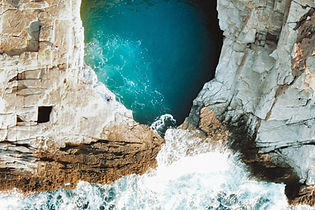
Swim at Livadaki Beach to experience a shallow, turquoise bay tucked between cliffs that creates a tropical-like setting perfect for kayaking and paddleboarding.
Admire the Pythagoras Statue at the Pythagoreio harbor, a striking modern monument dedicated to the world-famous mathematician and philosopher born on the island.
These activities reflect how Samos is experienced through its grand ancient history, its lush river landscapes, and its beautifully sheltered coastal coves.
Beaches or Nature
Samos is one of the greenest islands in the Aegean, defined by its soaring mountain ranges and a landscape so fertile it reaches right to the water's edge. The island is dominated by the massive peaks of Mount Kerkis and Mount Ambelos, which are covered in dense forests of black pine and chestnut. The coastline is famous for its diversity, ranging from the long, sandy stretch of Psili Ammos, where the coast of Turkey feels close enough to touch, to the tropical, pebble-shored bays of Kokkari. In the north, the Potami region offers a unique natural spectacle where a river winds through a deep forest, leading to a series of hidden waterfalls and cold swimming holes. Nature on Samos is experienced as a lush, Mediterranean wilderness of vineyards, deep ravines, and turquoise waters framed by overhanging pine trees.
Areas to Explore
Vathy (Samos Town) is the island's bustling capital and main port, featuring a mix of modern commercial hubs and a charming old quarter (Ano Vathy) with narrow streets and traditional tile-roofed houses.
Pythagoreio is a sophisticated harbor town built over the ruins of ancient Samos, where the waterfront is lined with stylish cafes and the streets are filled with archaeological treasures and monuments.
Karlovasi is the industrial and academic heart of the island, known for its grand neoclassical tanneries, a massive university presence, and its role as the gateway to the wilder western coast.
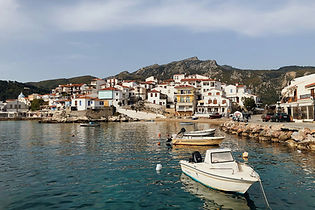
Kokkari is a picturesque former fishing village on the northern coast that has become a popular tourist destination, famous for its colorful houses and its position between two stunning pebble bays.
Manolates is a traditional mountain village nestled in the lush "Valley of the Nightingales," where narrow stone paths lead to artisan pottery workshops and tavernas with views of the Turkish coast.
These areas reflect how Samos is divided between its grand maritime ports, its scholarly industrial centers, and its vibrant mountain settlements hidden within thick forests.
Local Cuisine
Samos is a lush, fertile island whose culinary identity is inextricably linked to its world-famous Muscat wine, a sweet dessert wine that has been prized since antiquity. In the kitchen, this sweetness is balanced by savory dishes like pouliani, a traditional savory pumpkin pie, and kiskek, a slow-cooked festival dish of goat meat and pounded wheat. The island is also known for its stuffed onions and giaprakia, which are delicate vine leaves filled with rice and herbs. Given its dense forests, you will often find mountain herbs and high-quality honey integrated into both sweets and marinades. Dining on Samos is a diverse experience, from the seaside ouzeris of Kokkari serving fresh calamari to the mountain village tavernas where the air smells of wood smoke and roasting meats.
History
Samos was one of the most powerful and enlightened centers of the ancient Ionian world, reaching its zenith in the 6th century BCE under the tyrant Polycrates. During this golden age, the island became a hub of engineering and philosophy, serving as the birthplace of the great mathematician Pythagoras and the astronomer Aristarchus. Samos is home to two of antiquity's greatest marvels: the Heraion, once the largest temple in Greece dedicated to the goddess Hera, and the Tunnel of Eupalinos, an extraordinary 1,036-meter subterranean aqueduct carved through solid rock from both sides simultaneously. In the 19th century, the island enjoyed a period of semi-autonomy as the Principality of Samos under the Ottoman Empire, which fostered a booming tobacco and wine industry. Today, the island's dual legacy of intellectual brilliance and revolutionary spirit is preserved in its UNESCO World Heritage sites and the grand neoclassical buildings of its capital, Vathy.
Best Time to Visit
Samos is a multifaceted island that is most vibrant and accessible from May through October. This period offers the classic Aegean experience, with the mountain villages of Manolates and Vourliotes providing a cool escape from the summer sun. The coastal resorts of Pythagoreion and Kokkari are at their liveliest during these months, and the sea temperature is ideal for exploring the pebble beaches along the northern coast. For wine lovers, late August and early September are particularly rewarding, as the Muscat grape harvest begins, and the island celebrates its famous viticulture with various local festivals.
From November through April, Samos takes on a much more rugged and quiet character. While the beach resorts close, the main towns of Vathy and Karlovasi remain active hubs of local life, supported by the island's university student population. This cooler period is the best time for serious hikers to tackle the trails of Mount Kerkis, the highest peak in the Aegean, without the risk of heatstroke. The landscape becomes incredibly lush, and the waterfalls at Potami flow at their strongest. Visitors in the winter should be prepared for more frequent rainfall and a reduced ferry schedule, but they will be rewarded with a rare, authentic look at one of Greece’s most historic islands away from the tourist gaze.
Editors' Insider Tips
Samos is an island of incredible verticality, and our first tip is to explore the mountain villages of Manolates and Vourliotes. While the coastal towns are beautiful, these inland hamlets offer a cooler climate and spectacular views of the Turkish coast. Park your car at the entrance of Manolates and walk through the village; it is a hub for local artisans and weavers, making it the best place to find unique, handmade souvenirs.
For a true engineering marvel, don't miss the Tunnel of Eupalinos. Our tip is to book your tickets in advance online, as entry is strictly timed and groups are kept small. If you are claustrophobic, skip the tunnel and visit the Heraion (Temple of Hera) instead, but go late in the afternoon when the heat subsides. For wine lovers, bypass the supermarket and head to the Samos Wine Museum in Vathy to sample the world-famous Muscat of Samos; the vintage "Nectar" is a local favorite. Finally, if you are looking for a beach day, head to Potami. After a swim, follow the river path inland through the forest to discover the hidden waterfalls and a small wooden tavern perched on a cliff that serves the best homemade lemonade on the island.
Frequently Asked Questions
1. How do I get to Samos?
Samos is one of the best-connected islands in the North Aegean, accessible by both air and sea.
By Air: Samos International Airport (SMI) receives daily flights from Athens and Thessaloniki year-round. During the summer, there are numerous direct charter flights from major European cities.
By Ferry: The island has three ports: Vathy (the capital), Karlovasi, and Pythagoreio. Ferries from Piraeus (Athens) take between 8 to 10 hours. There are also frequent connections to neighboring islands like Ikaria, Patmos, and Chios, as well as daily boats to Kuşadası, Turkey (a 1.5-hour trip).
2. Is a car necessary on Samos?
Yes, renting a car is highly recommended for Samos.
Island Size: Samos is a large, mountainous island with over 160 km of coastline.
Public Transport: While the KTEL bus system connects the main towns (Vathy, Pythagoreio, Karlovasi), the schedules are often infrequent and don't reach the more secluded beaches or mountain villages.
Exploration: A car or scooter is essential to visit the "hidden" side of Samos, such as the waterfalls of Potami or the high-altitude villages on Mount Kerkis.
3. Which are the best beaches on Samos?
Samos offers everything from organized "cosmopolitan" beaches to wild, secluded coves.
Tsamadou: A stunning pebbly beach near Kokkari with crystal-clear turquoise water. It is the only official nudist beach on the island (specifically its eastern side).
Psili Ammos: Located in the southeast, this is one of the few sandy beaches. The water is very shallow and warm, making it the top choice for families with small children.
Potami: Near Karlovasi, this beach is famous for its emerald waters and the nearby forest path leading to natural waterfalls.
Livadaki: A small, exotic beach tucked inside a narrow fjord-like bay with shallow, Caribbean-style water and a lively beach bar.
Seitani (Mikro & Megalo): Protected "Natura 2000" beaches reachable only by boat or an hour-long hike. They offer total seclusion and pristine nature.
4. Can you drink the tap water?
Yes, as of 2026, tap water in the main towns of Samos is considered safe to drink.
Mainland Source: Samos is a lush island with many natural springs. The water quality is high compared to the drier Cycladic islands.
Remote Areas: In some older villages or very remote rentals, the piping may be aged, so many visitors still opt for bottled water for taste preference or peace of mind.
5. Who was Pythagoras?
The island is the birthplace of the world-famous mathematician and philosopher Pythagoras.
Pythagoreio: The beautiful harbor town is named after him. You can see a modern monument dedicated to the Pythagorean Theorem at the port.
Pythagoras' Cave: Located on the slopes of Mount Kerkis, you can hike to the cave where the philosopher reportedly hid from the tyrant Polycrates.
6. What is the Tunnel of Eupalinos?
This is one of the most significant engineering feats of the ancient world and a UNESCO World Heritage site.
The Achievement: Built in the 6th century BC, it is a 1,036-meter tunnel excavated through solid rock from both sides of a mountain. The two teams met in the middle with almost perfect precision.
Purpose: It served as an underground aqueduct to supply the ancient capital with water while keeping the source hidden from invaders.
7. What should I eat and drink in Samos?
Samos Muscat Wine: The island is world-renowned for its sweet dessert wine (Samos Grand Cru). Even if you prefer dry wine, the Samian Muscat is a must-try.
Kachrimia: A local specialty consisting of slow-cooked meat with wheat, similar to a porridge, often served at local festivals.
Stuffed Onions: Known as Kremmidodolmades, these are onions from the village of Koumeika stuffed with a savory rice and herb mixture.
Armagalo: A spicy Samian cheese with a velvety texture that pairs perfectly with the local souma (a spirit similar to tsipouro).
8. Is Samos good for hiking?
Absolutely. Samos is a hiker's paradise due to its lush greenery and high peaks.
Mount Kerkis: At 1,433 meters, it is one of the highest mountains in the Aegean. The hike to the summit (Vigla) is challenging but offers views of the entire Dodecanese and the Turkish coast.
Nightingale Valley: A beautiful, shaded trail near the village of Manolates that takes you through plane trees and running streams.
9. Where is the best place to stay?
Pythagoreio: Best for history lovers and those who want a central hub with great restaurants and proximity to the airport.
Kokkari: Best for couples and windsurfers. It’s a picturesque fishing village with a very romantic evening vibe.
Vathy (Samos Town): Best for those who want a more "city" feel with access to museums, the main port, and local neoclassical architecture.
Marathokampos: Best for those looking for a quiet, traditional stay on the quieter western side of the island.
10. How many days should I stay?
3 to 4 Days: You can see the main highlights like Pythagoreio, the Heraion temple, and a couple of the northern beaches.
7 Days: The ideal amount of time to explore both the mountainous interior and the coastal villages without rushing.
10+ Days: Perfect if you plan to use Samos as a base for day trips to Turkey or the nearby islands of Ikaria and Fourni.
Browse Tours and Activities near Samos


Discover the Beaches on this Island
Discover more Greek Islands Nearby



How To Get to More Greece Destinations from Here


