Agios Efstratios

A minimalist volcanic sanctuary defined by eco-conscious solitude and the rare silence of an untouched Aegean.
Intro
Agios Efstratios, or Ai Stratis, is a silent sentinel in the North Aegean, offering a rare glimpse into a Greece that remains profoundly untouched by time. This small, volcanic island is a sanctuary for those seeking absolute solitude among rolling hills, sea caves, and a history marked by its years as a place of exile. With its single, eco-friendly settlement and a landscape defined by oak forests and rugged cliffs, it is a destination where the rhythm of life is dictated entirely by the wind and the sea.
Who It’s Best For
Agios Efstratios is the ultimate destination for the "purist" traveler who views isolation as a luxury rather than an inconvenience. It appeals to those who want to disconnect from the digital world and immerse themselves in a landscape of volcanic rock, silence, and sea caves. Because the island is a pioneer in green energy and sustainable living, it also draws eco-conscious visitors who appreciate a community living in harmony with its natural environment. It is not a place for those seeking nightlife or organized tourism, but rather for solitude seekers and history buffs who find beauty in a single village, a quiet harbor, and the raw spirit of the North Aegean.
Who It’s Best For: A Quick Breakdown
Traveler Type | Why They’ll Love Agios Efstratios |
Solitude Seekers | To experience one of the quietest and most remote inhabited islands in the entire Aegean Sea. |
Eco-Travelers | To visit a "green island" that is a model for renewable energy and sustainable Mediterranean living. |
Hikers & Explorers | To trek through untouched volcanic trails and explore the rare oak forests of the interior. |
History Enthusiasts | To learn about the island’s significant role in modern Greek history as a place of political exile. |
Backpackers | For those seeking a low-cost, high-authenticity experience where the pace of life is remarkably slow. |
Things to Know
The most important logistical reality of Agios Efstratios is its extreme isolation and limited transport infrastructure. There are no taxis and no public buses on the island, meaning you will need to rely entirely on your own two feet or a private rental to get around. While the island is small, many of its most pristine beaches are accessed via rugged dirt roads that are better suited for a 4WD vehicle or a sturdy mountain bike than a standard car. If you plan on visiting the more remote western coast for sunset, ensure you have coordinated your transport in advance, as there are only a handful of rental options in the main village and they often sell out during the peak summer months.
Because the island is a pioneer in sustainability, it is famously known as Greece’s first energy autonomous island, powered almost entirely by wind and solar energy. This commitment to a "green" lifestyle means you should be prepared for a more minimalist approach to tourism; you won't find bustling beach bars or large scale resorts here. Ferries are also less frequent than on neighboring islands, typically arriving from Lavrio or Lemnos, so it is vital to check schedules carefully and book a return ticket ahead of time. Lastly, keep in mind that there is no pharmacy or bank on the island, only a small medical center and a single ATM, so bringing a basic first aid kit and enough cash for your stay is essential for a stress free trip.

Things To Do
Visit the Museum of Democracy to explore the building that served as the first infirmary for political exiles and learn about the island’s heavy history as a place of displacement.
Hike to the Church of Agios Minas on the southern tip of the island for panoramic views of the sea and the rugged, volcanic landscape that defines the horizon.
Swim at Agios Dimitrios Beach to enjoy the most popular stretch of sand on the island where the water is crystal clear and the atmosphere remains completely uncrowded.
Explore the Green Mountain project to see the innovative wind turbines and solar parks that make the island a global pioneer in energy autonomy and sustainability.
Visit the Monument of Nikolaos Sialmas at the southern cape to pay respects at the site dedicated to the fallen pilot whose memorial is carved into the hillside and visible from the air.
These activities reflect how Agios Efstratios is experienced through its quiet resilience, its commitment to a green future, and its deep, solemn history rather than commercial tourism or organized nightlife.
Beaches or Nature
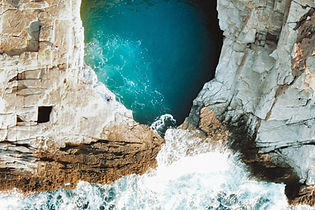
Agios Efstratios is a destination defined by its raw volcanic landscapes and a profound sense of isolation, offering a coastline that remains almost entirely untouched by human intervention. The island is part of the Natura 2000 network, serving as a vital sanctuary for the Mediterranean monk seal and various rare bird species that thrive in its quiet sea caves and rugged cliffs. The beaches, such as Alonitsi and Agios Dimitrios, are characterized by dark volcanic sand or fine pebbles and deep, cold waters that offer absolute privacy. Unlike its more fertile neighbors, the island’s interior consists of low, rolling hills covered in oak forests (the remnants of an ancient ecosystem) and dry grasslands that turn vibrant green in the spring. Nature here is experienced through the silence of the landscape, the dramatic rock formations of the southern capes, and a coastline that feels like a forgotten frontier of the Aegean.
Areas to Explore
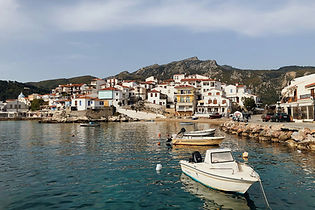
Agios Efstratios Village is the island’s only settlement and the heart of local life, where uniform stone houses built after the 1968 earthquake line the harbor in a quiet, minimalist display of resilience.
The Harbor Front is the central social hub where the few local tavernas and cafes are located, serving as the primary meeting point for residents and the gateway for arriving mail boats and ferries.
Alonitsi is a vast coastal area on the eastern side of the island characterized by its rugged cliffs and wild, untouched beaches that provide a sanctuary for the local monk seal population.
Agios Dimitrios is the island’s most accessible coastal pocket, offering a serene stretch of sand and shallow waters that feel entirely private even during the peak summer months.
The Southern Capes are the most desolate and dramatic parts of the island, home to the Sialmas monument and sweeping volcanic landscapes that are best explored via the island’s network of dirt tracks.
These areas reflect how Agios Efstratios is defined by its singular, tight-knit community and its expansive, wild hinterland, offering a rare sense of solitude and environmental purity.
Local Cuisine
The food on Agios Efstratios is a reflection of its self-sufficient and secluded nature, relying heavily on the fresh catch of the day and local livestock. The island is particularly famous for its lobster, which is caught in the surrounding deep waters and often served simply with pasta. You will also find flomaria, a traditional local pasta, and melichloro cheese, which is a semi-hard cheese made from sheep and goat milk that is dried in the sun. Because the island is small, the dining experience is incredibly intimate, centered around a few waterfront tavernas in the main settlement where the menu is dictated by what the fishing boats brought in that morning. Dining here is an unpretentious, authentic experience where the purity of the ingredients takes center stage.
History
Agios Efstratios, named after the 9th-century saint who sought refuge here, has a history defined by its isolation and its role as a place of exile. While ancient ruins suggest it was inhabited in prehistoric times, the island’s most significant historical chapter occurred in the 20th century when it served as a political prison camp from the 1930s through the 1970s. Thousands of dissidents, including famous poets like Yannis Ritsos and Mikis Theodorakis, were interned here. The island also suffered a catastrophic earthquake in 1968, which leveled the original picturesque village and forced the population to rebuild. Today, the island honors its complex past through the Museum of Democracy, housed in a restored school building, which preserves the memory of those who lived and struggled on this remote volcanic rock.
Best Time to Visit
Agios Efstratios is a destination for those seeking solitude, and it is most accessible from June through August. During this peak summer window, the island’s limited tourism infrastructure is fully operational, and the calm Aegean waters make the boat trips to its remote, pristine beaches like Agios Dimitrios much easier. This is the only time of year when the island feels "busy," though even then, it remains one of the quietest corners of Greece.
From September through May, the island returns to a state of profound isolation. The fierce North Aegean winds can often lead to ferry cancellations, making travel unpredictable. However, for the intrepid traveler, the autumn and spring months offer a rare chance to experience the island’s raw, volcanic beauty in total silence. This period is perfect for birdwatching and hiking the ancient paths, provided you are prepared for a very limited selection of open tavernas and the true, unvarnished pace of life in a remote frontier community.
Editors' Insider Tips
Agios Efstratios is perhaps the only place in Greece where you can truly "unplug," and our top tip is to embrace the island's off-grid energy. Because there are very few cars and the village is compact, the best way to explore is on foot or by convincing a local fisherman to take you to the southern beaches like Alonitsi. Be aware that there are no ATMs on the island, so bring plenty of cash for your stay; the local economy is small, and while some places take cards, you do not want to be caught short.
For a unique experience, ask the locals about the Museum of Democracy. It is housed in the first school built on the island and offers a moving look into the island's history as a place of exile. If you are visiting in the summer, try to time your stay with a local glenti (feast). Unlike the more touristy islands, these gatherings are intimate and authentic, often featuring local flute music and communal meals of goat and handmade pasta. Lastly, remember that the ferry connection is the island's lifeline; always check the weather forecast 24 hours before your departure, as the meltemi winds can easily add an extra day to your itinerary.
Frequently Asked Questions
1. How do I get to Agios Efstratios?
Agios Efstratios (also known as Ai Stratis) is one of the most remote islands in Greece. It does not have an airport, so access is strictly by sea.
From Lavrio (Athens): Conventional ferries run about 3 to 4 times a week. The journey takes approximately 7 to 8 hours.
From Lemnos: This is the most common connection. A local ferry (the Aeolis) usually runs daily year-round, taking about 1.5 to 2 hours.
From Northern Greece: Regular ferries connect the island to the port of Kavala, typically stopping at Lemnos along the way.
2. Is there an ATM and pharmacy on the island?
Agios Efstratios is a very small, quiet community, and facilities are minimal.
ATM: There is usually one ATM located in the main settlement near the port. However, it is highly recommended to bring enough cash, as technical failures or cash shortages are not uncommon on remote islands.
Pharmacy: There is no dedicated pharmacy. There is a small regional medical center for emergencies, but you should bring a full supply of any personal medications you require.
3. Do I need to rent a car?
For most visitors, a car is not necessary.
Size: The island has only one settlement where everything (tavernas, rooms, the port) is located. You can walk across the village in minutes.
Terrain: Most roads outside the village are dirt tracks. While a small rental office for cars and scooters usually operates in the summer, the island is best explored on foot or by bicycle.
Walking: Most of the western beaches are reachable via hiking trails or short walks from the village.
4. Which are the best beaches on Agios Efstratios?
The island offers unrefined, natural beauty with very few "organized" facilities.
Agios Dimitrios: A large, sandy beach about 5 km from the port. It is the most popular choice for its clean water and easy access.
Lidario: Often cited as the most beautiful beach on the island, featuring long stretches of sand and a sense of total isolation.
Agios Antonios: A stunning beach surrounded by oak trees that provide natural shade. It is located south of the port and has crystal-clear water.
Alonitsi: The largest beach on the island, located on the northeast coast. It is beautiful but often exposed to the northern "Meltemi" winds.
5. Can you drink the tap water?
As of 2026, it is recommended to stick to bottled water for drinking.
Usage: The tap water is safe for showering, washing, and cooking.
Taste: Like many remote islands, the water is often desalinated or sourced from local wells, which can result in a heavy mineral or brackish taste. Bottled water is available at the local mini-markets.
6. What is the Museum of Democracy?
This is the most significant cultural site on the island, housed in the beautifully restored Maraslio School.
The History: From the 1930s to the 1970s, the island was used as a place of internal exile for political prisoners.
The Exhibits: The museum chronicles the daily lives of these exiles through photographs, letters, and personal objects. It is a moving tribute to a difficult chapter of modern Greek history.
7. What is the Cave of Saint Efstratios?
Located on the eastern side of the island, this small cave is a site of pilgrimage.
The Legend: It is said to be the hermitage where Saint Efstratios lived as an exile in the 9th century.
Access: It offers a magnificent view of the Aegean Sea and is a peaceful spot for reflection.
8. What should I eat?
The food on Ai Stratis is simple, organic, and incredibly fresh.
Lobster Pasta: The island is famous for its abundance of lobsters. Many local tavernas serve world-class lobster pasta at prices much lower than on more famous islands.
Flomaria: A local traditional pasta (similar to Lemnos) often served with rooster or local goat.
Local Cheese: Try the melichloro or mizithra, which are produced by the island's free-roaming sheep and goats.
9. Where is the best place to stay?
There are no large hotels or resorts on the island.
Guesthouses: Accommodation consists entirely of small, family-run guesthouses and "rooms to let" located within the main settlement.
Booking: Because the total number of beds on the island is very low, it is essential to book well in advance if you plan to visit in July or August.
10. How many days should I stay?
2 to 3 Days: Perfect for those seeking absolute silence, a bit of hiking, and a visit to the Museum of Democracy.
A Week: Only if you are a writer, artist, or someone who truly wants to "disappear" from the world. The island’s slow pace is restorative but offers very little in the way of traditional "entertainment."

Discover the Beaches on this Island
Weather on This Island by Month
Discover more Greek Islands Nearby