Chios

A sophisticated mosaic of medieval stone labyrinths, fragrant mastic groves, and aristocratic Genoese history.
Intro
Chios is a majestic and multifaceted island in the North Aegean that serves as the exclusive home to the world-famous mastic tree. Beyond its unique agricultural heritage, the island is defined by the medieval villages of the south, such as Mesta and Pyrgi, where intricate geometric "xysta" patterns adorn the facades of stone houses. From the citrus-scented estates of Kampos to the somber history of Anavatos and the UNESCO-listed Nea Moni monastery, Chios offers a deep, sophisticated journey through Byzantine history and Genoese elegance.
Who It’s Best For
Chios is a destination for the culturally curious and the "slow traveler" who seeks depth over typical island postcard scenes. It is the ideal choice for history enthusiasts and architecture lovers, as the island is home to UNESCO-listed monasteries and fortified medieval villages that look like nowhere else in the world. Because Chios remained economically self-sufficient through its shipping and mastic trade, it has avoided the pitfalls of mass tourism, making it perfect for those who want an authentic, unpolished Greek experience. It also appeals strongly to foodies and botanists who are drawn to the unique cultivation of the mastic tree and the citrus-scented estates of Kampos. While it offers stunning beaches like the volcanic Mavra Volia, the island's true soul lies in its intricate geometric facades, labyrinthine alleys, and a pervasive sense of aristocratic history.
Who It’s Best For: A Quick Breakdown
Traveler Type | Why They’ll Love Chios |
History & Architecture Buffs | To explore the "painted" village of Pyrgi with its geometric xysta and the fortress-like maze of Mesta. |
Cultural Explorers | To visit the UNESCO World Heritage site of Nea Moni and the world’s only Mastic Museum. |
Authenticity Seekers | For those who want to avoid crowds and experience a large, self-sufficient island that feels genuinely Greek. |
Nature & Geology Fans | To swim at the black volcanic pebble beach of Mavra Volia or hike through the citrus groves of Kampos. |
Gourmet Travelers | To sample local citrus-based sweets, world-famous mastic liqueur, and traditional hand-made pasta. |
Things to Know
Chios is one of the largest islands in Greece and requires a significant amount of time to explore properly. The most vital piece of advice for visitors is to rent a car if you want to see anything beyond the main port town or the tourist resort of Karfas. While there is a public bus system that connects Chios Town to major villages like Mesta and Pyrgi, the schedules are often infrequent and designed more for locals than tourists. Navigating the island is an adventure in itself, with winding roads that pass through scent heavy citrus groves in Kampos and stark, mountainous terrain in the north. Be prepared for a slower pace and carry physical maps or offline GPS, as mobile signal can be spotty in the more remote western canyons.
Because Chios is a major hub for the maritime and mastic industries, it does not rely solely on tourism and maintains its own unique rhythm. If you arrive by ferry from Piraeus, be aware that boats often dock at the ungodly hour of 3:00 AM or 4:00 AM, so it is essential to arrange a late night check in or a taxi transfer with your hotel in advance. Another unique cultural note is the Rocket War that takes place on Easter Eve in Vrontados, where rival churches fire thousands of homemade rockets at each other. While spectacular, it is a chaotic and intense event that requires careful planning and safety precautions. Lastly, remember that the famous mastic resin is only grown in the southern Mastihohoria villages, so if you are looking for the UNESCO protected architecture and the best local products, focus your stay in that specific region.

Things To Do
Explore the Medieval Mastic Villages by walking through the arched stone tunnels of Mesta and admiring the intricate black and white geometric "xysta" patterns on the walls of Pyrgi.
Tour the Chios Mastic Museum to understand how the island’s unique resin is harvested and its massive impact on local culture and the global economy.
Visit the Monastery of Nea Moni to see some of the finest 11th century Byzantine mosaics in existence and view the somber monument dedicated to the 1822 massacre.
Wander the Kampos District to see the hidden citrus estates and grand Genoese mansions built with distinct red-and-yellow stone behind high protective walls.
Walk through the abandoned village of Anavatos known as the "Mistras of the Aegean" to explore its ghost-like stone houses perched precariously on a 450 meter high cliff.
These activities reflect how Chios is experienced through its unique agricultural traditions, medieval fortress architecture, and deep historical layers rather than typical beach-centered tourism.
Beaches or Nature
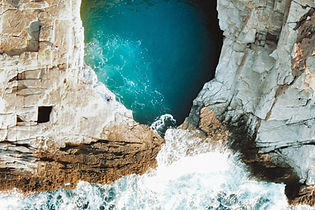
Chios is an island of startling environmental diversity, ranging from the arid, medieval landscapes of the south to the lush, alpine forests of the north. It is world-renowned for its Mastic trees, a unique resin-producing shrub that grows only in the southern "Mastihochoria" region due to the specific microclimate and soil. The coastline offers over 90 distinct beaches, the most iconic being Mavra Volia, where towering cliffs frame a shore of jet-black volcanic pebbles and deep, indigo waters. In contrast, the Kampos plain is a fragrant oasis of citrus orchards and historic estates, while the northern Amani Mountains provide a rugged backdrop of pine-clad slopes and hidden ravines. Nature on Chios is experienced as a shift between the scented orange groves, the prehistoric energy of its volcanic shores, and the high-altitude solitude of its northern peaks.
Areas to Explore
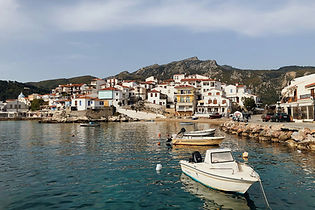
The Mastihochoria (Mastic Villages) are a cluster of medieval fortified settlements in the south, including Pyrgi and Mesta, where high stone walls and narrow labyrinthine alleys were designed to protect the valuable mastic resin from pirates.
Kampos is a unique, semi-rural district just south of Chios Town, filled with grand Genoese mansions and sprawling citrus orchards hidden behind high walls made of distinct local reddish-yellow stone.
Chios Town (Chora) is the island’s busy administrative and commercial center, featuring a massive waterfront promenade, a bustling central market, and a sprawling Byzantine castle that is still a living residential neighborhood.
The Amani Region is the rugged and remote northern part of the island, characterized by its wild mountains, traditional hilltop villages like Volissos, and a much slower pace of life compared to the south.
The Coastal Villages of the East include areas like Karfas and Agia Ermioni, which serve as the island’s primary resort hubs with sandy beaches, waterfront tavernas, and most of the island's tourist accommodation.
These areas reflect how Chios is divided between its wealthy agricultural estates, its fortified medieval past, and its rugged, mountainous northern frontier.
Local Cuisine
Chios boasts a sophisticated culinary identity defined by its most famous export: mastic. This aromatic resin finds its way into everything from mastiha liqueur to sweets like subreki and the chewy vanilla "submarine" sweet served in a glass of cold water. The island's fertile Kampos plain produces world-class citrus, leading to a vibrant tradition of spoon sweets made from bitter orange and mandarin. Savory highlights include pitis, which are handmade pasta shaped like small ears, and mastelo, a soft, delicious cow's milk cheese that is typically served grilled. Dining on Chios is a varied experience, ranging from the citrus-scented courtyards of old mansions to the lively seafood tavernas of the waterfront, where the flavors are as complex and storied as the island itself.
History
Chios is an island of immense historical weight, famously claiming to be the birthplace of the epic poet Homer. In antiquity, it was one of the most prosperous islands in the Aegean, known for its powerful navy and its early adoption of democratic governance. However, its history is most defined by the mastic trade, which granted the island special privileges under both Byzantine and Genoese rule—the latter leaving behind the remarkable Mastichochoria (mastic villages), fortified like labyrinths to protect the precious resin from pirates. The island’s darkest chapter occurred in 1822 during the Massacre of Chios, a brutal Ottoman retaliation during the Greek War of Independence that shocked Europe and inspired Eugène Delacroix's famous painting. Today, the island’s legacy is preserved in the UNESCO-protected Nea Moni Monastery, a masterpiece of 11th-century Byzantine art, and the stately mansions of the Kampos district.
Best Time to Visit
Chios is a year-round destination, but the character of your visit will shift dramatically depending on the season. The island is most vibrant from May through October, when the Mediterranean sun highlights the medieval architecture and the Aegean is warm enough for swimming at the famous black-pebbled Mavra Volia beach. A unique highlight of this period is the mastic harvest, which begins in July and peaks in August. During this time, you can witness the "tears" of resin being collected in the southern Mastichochoria villages, a process that fills the air with a distinct, herbal aroma.
From November through March, Chios transforms into a quiet, atmospheric retreat. While the coastal resorts close, Chios Town and the medieval villages remain lively with local life. This cooler period is ideal for hikers and history buffs who want to explore the Nea Moni Monastery or the labyrinthine streets of Mesta without the summer heat. The absolute peak of the "off-season" is Easter Sunday (specifically the night of Holy Saturday), when the town of Vrontados hosts the world-famous Rocket War (Rouketopolemos). This explosive tradition involves rival churches firing thousands of homemade rockets at each other’s bell towers, a spectacle that draws spectators from across the globe even in the early spring.
Editors' Insider Tips
Chios is a massive island, so our first piece of advice is to rent a car; relying on local buses will make it nearly impossible to reach the hidden medieval villages of the south. When visiting the Mastichochoria (the Mastic Villages), do not just stick to the main squares. In Mesta, get lost in the labyrinthine alleys designed to confuse pirates; the layout is so tight that you can often walk across the village on the rooftops. If you want a truly local snack, look for "pasteli" (honey and sesame bars) or anything flavored with local mandarins, which are considered the most fragrant in the world.
For a unique swimming experience, skip the sandy beaches and head to Mavra Volia. The beach is made of smooth, jet-black volcanic stones that hold the heat of the sun, making the water feel incredibly deep and blue. If you are a history enthusiast, make the trek to the abandoned village of Anavatos, often called the "Mistra of the Aegean." It is a hauntingly beautiful stone ghost town perched on a cliff. Lastly, if you visit during Easter, be prepared for the Rocket War in Vrontados; it is a spectacular sight, but ensure you view it from a safe, designated distance, as the "battle" is intense and very loud.
Frequently Asked Questions
1. How do I get to Chios?
Chios is a major hub in the North Aegean and is very well-connected.
By Ferry: Daily ferries run from Piraeus (Athens), with the journey taking between 7 to 9 hours depending on the vessel. There are also connections from Lavrio to the smaller port of Mesta.
From Turkey: There is a very popular daily ferry connection from Çeşme (near Izmir), which takes only 20 to 30 minutes.
By Air: Chios Island National Airport (JKH) receives multiple daily flights from Athens and Thessaloniki year-round.
2. Do I need to rent a car?
Yes, a car is considered essential on Chios.
Size: It is one of the largest Greek islands, and its main attractions, the Mastic villages, the Nea Moni monastery, and the diverse beaches, are spread far apart.
Public Transport: While buses connect Chios Town to Karfas and some main villages, they are infrequent and do not reach the most scenic beaches or the remote "ghost village" of Anavatos.
Driving: The roads are generally good, and parking is surprisingly easy, with most villages offering free municipal parking lots at their entrances.
3. What are the "Mastic Villages"?
The Mastihohória are 24 fortified medieval villages in the south, the only place in the world where the mastic tree produces its "tears" (resin).
Pyrgi: Known as the "painted village" because of the xysta, intricate black-and-white geometric patterns hand-etched onto the facades of every house.
Mesta: The best-preserved "castle village." It is built as a labyrinth with no open squares and only two entrances, designed to confuse invading pirates.
Olympoi: Another stunning fortified settlement where the houses' outer walls form a defensive perimeter. Don't miss the nearby Olympoi Cave.
4. Which are the best beaches on Chios?
Chios has some of the most unique geological beach formations in Greece.
Mavra Volia: The island's most famous beach, covered in large, smooth black volcanic pebbles. The water is deep, cold, and incredibly clear.
Agia Dynami: A secluded "secret" beach with emerald-green waters and white sand/pebbles. There are no facilities here, so bring water.
Karfas: The most popular sandy beach near Chios Town, with very shallow water, perfect for families.
Vroulidia: Located at the southernmost tip, this tiny bay has white pebbles and turquoise water that feels almost tropical.
5. Can you drink the tap water?
As of 2026, it is generally recommended to drink bottled water.
While the tap water is safe for hygiene (showering, brushing teeth), the island's water supply can be brackish or have a high mineral content that affects the taste.
In the traditional mountain villages, you may find natural springs where the water is fresh and drinkable.
6. What is the Nea Moni Monastery?
A UNESCO World Heritage site, this 11th-century monastery is one of the most important Byzantine monuments in Greece.
The Mosaics: It contains some of the finest surviving examples of Byzantine mosaic art.
The History: It was built on the spot where three monks found a miraculous icon of the Virgin Mary. Note that it usually closes for a few hours in the afternoon (check local times for the "siesta" break).
7. What should I eat and buy?
Anything Mastic: Try mastic-flavored ouzo, liqueur, chewing gum, and even "submarine" sweets (a spoonful of mastic paste in cold water).
Chios Mandarins: These are world-famous for their intense aroma. Look for mandarin-flavored marmalades or juices.
Souma: The local version of raki, distilled from figs rather than grapes.
Mastelo: A delicious local cow’s milk cheese that is best served grilled (Saganaki).
8. What is the Kampos area?
Just south of Chios Town lies Kampos, a lush plain filled with citrus groves and high stone walls.
The Mansions: Wealthy Genoese and local merchants built massive estates here from reddish local stone.
The Atmosphere: It’s a perfect area for a bike ride or a walk to see the traditional water wheels (maganos) used to irrigate the orchards.
9. Where is the best place to stay?
Chios Town: Best for being near the main port, museums, and the historic "Kastro" (fortress).
Karfas: Best for beach lovers and families who want resort-style amenities.
Mesta or Pyrgi: Best for an authentic medieval experience, staying in restored stone houses within the fortified walls.
10. How many days should I stay?
3 to 4 Days: Enough to see the main Mastic villages and Nea Moni.
5 to 7 Days: Recommended. This allows you to explore the northern villages (like Volissos), visit the "ghost village" of Anavatos, and spend time on the more remote western beaches.

Discover the Beaches on this Island
Discover more Greek Islands Nearby