


Lemnos

An otherworldly landscape of golden sand dunes and ancient vineyards, where volcanic history meets wind-driven coastal adventure.
Intro
Lemnos is a sprawling and diverse island in the North Aegean that offers a landscape unlike any other in Greece. It is famous for the Ammothines, which are the only natural sand dunes in Europe, and its vast plains that produce the celebrated Lemnian wine and traditional cheeses. From the ancient site of Poliochni, considered the oldest organized city in Europe, to the imposing Byzantine castle of Myrina where wild deer roam freely, Lemnos is a destination defined by its unique geology and its deep ties to Hellenic mythology.
Who It’s Best For
Lemnos is a paradise for adventure sports enthusiasts and curious explorers who want an island that feels vast and full of surprises. It is the ideal choice for windsurfers and kitesurfers because Keros Beach offers some of the best and safest conditions in Europe. Because the island features a unique landscape of rolling volcanic hills and the only desert in Europe, it also draws nature photographers and geology buffs looking for something beyond the typical Greek scenery. While the capital of Myrina is sophisticated and romantic, the island's authentic agricultural roots make it a top pick for food and wine lovers who want to taste world-class Muscat grapes and artisanal Kalathaki cheese right at the source.
Who It’s Best For: A Quick Breakdown
Traveler Type | Why They’ll Love Lemnos |
Wind & Kitesurfers | To take advantage of the world-famous meltemi winds and the shallow waters of Keros Bay. |
Gourmet Travelers | To sample the island’s award-winning wines and traditional dairy products in local tavernas. |
Offbeat Adventurers | To walk through the sand dunes of Gomati or explore the prehistoric settlement of Poliochni. |
Couples | To enjoy sunset walks through the stone alleys of Myrina under the shadow of its medieval castle. |
Birdwatchers | To visit the Alyki and Chortarolimni wetlands where thousands of flamingos migrate each year. |
Things to Know
The most critical logistical tip for Lemnos is to understand that despite its volcanic appearance, the island is quite large and mostly flat. Unlike the winding mountain roads of other Aegean islands, the terrain here makes for easy driving, but a vehicle is still essential to reach spots like the Gomati sand dunes or the remote Kavirio sanctuary. If you are flying in, be aware that the Lemnos International Airport is one of the largest in the Aegean due to its military history, but there is rarely a bus waiting for arrivals. You should arrange a rental car or taxi in advance to meet you at the terminal, which is about 22 kilometers from the main town of Myrina.
When planning your arrival by sea, keep in mind that the port of Myrina serves all major ferries but can be subject to delays during high winds. If you are coming from Athens, the ferry from Lavrio is significantly faster than the one from Piraeus, often cutting the journey time in half. Once you are on the island, a unique local rule to remember is that most organized beaches on Lemnos offer sunbeds and umbrellas for free as long as you order a coffee or snack from the associated beach bar. Finally, if you visit the Myrina Castle at dusk, keep an eye out for the herd of wild fallow deer that live within the walls; they are the unofficial mascots of the capital and are best viewed from a respectful distance.

Things To Do
Slide down the Sand Dunes of Gomati to experience the "Sahara of Lemnos," a vast area of golden dunes that represents the only desert-like landscape in Europe.
Explore the Ancient Sanctuary of the Kaviria to see the ruins of a pre-Hellenic mystery cult and climb down into the legendary sea cave of Philoctetes just below the cliffs.
Wander through the Castle of Myrina at sunset to see the medieval fortifications and spot the resident herd of wild fallow deer that roam freely within the walls.
Visit the Aliki Salt Lake during the spring or autumn to observe thousands of flamingos and other migratory birds in a surreal, white-crusted landscape.
Walk through the Archaeological Site of Poliochni to see the remains of what is considered one of the oldest organized cities in Europe, dating back to 4000 BC.
These activities reflect how Lemnos is experienced through its strange geological wonders, its prehistoric significance, and its expansive, unhurried landscape.
Beaches or Nature
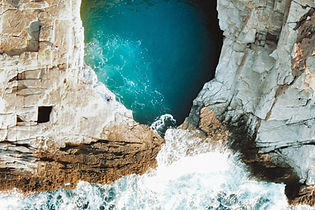
Lemnos is defined by its unique volcanic soil and an unexpectedly flat, rolling landscape that sets it apart from the craggy peaks of its neighbors. The island is home to the Pachies Ammoudies, often called the "Sahara of Europe," which are vast, shifting sand dunes that create a surreal desert environment just a few kilometers from the sea. The coastline is dotted with expansive sandy bays like Keros, a world-renowned destination for windsurfing due to its shallow waters and consistent winds, and Platy, which offers a more organized and family-friendly shore. In the north, the Falakro Cape showcases bizarre, spherical volcanic rock formations that look like giant frozen bubbles. Nature on Lemnos is experienced as a blend of fertile plains, rare wetland ecosystems at the Alyki salt lake, and a golden, wind-swept coastline that feels incredibly spacious.
Areas to Explore
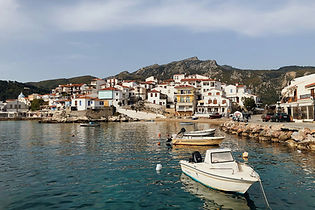
Myrina is the island’s vibrant capital and main port, distinguished by its two distinct waterfronts (the Turkish Shore and the Greek Shore) and the massive medieval castle that sits on the rocky promontory between them.
Moudros is the second largest town and one of the safest natural harbors in the Mediterranean, offering a historic atmosphere and serving as the gateway to the archaeological sites of the eastern side.
Kontopouli is a traditional inland village surrounded by fertile plains, known for its connection to the poet Yannis Ritsos and its proximity to the island’s unique salt lakes and ancient sites.
Kaspakas is a picturesque village built into a hillside to hide from pirates, featuring narrow stone streets and the nearby "Kremasta Nero" waterfalls that flow directly toward the coast.
Platy is a popular seaside suburb located just south of Myrina, featuring a wide, sandy bay and a lively village square filled with traditional tavernas and modern cafes.
These areas reflect how Lemnos is organized between its bustling historic ports, its hidden hillside villages, and its expansive agricultural heartland.
Local Cuisine
Lemnos is a true gastronomic powerhouse, deeply rooted in its tradition of cereal production and volcanic-soil viticulture. The island is most famous for flomaria, a handmade pasta cut into thin strips and traditionally served with rooster or local cheese. Speaking of cheese, Lemnos produces the unique kalathaki, a white brined cheese shaped in small baskets, and the hard, sun-dried melichloro. The island is also a prestigious wine region, celebrated for its Muscat of Alexandria and the ancient Limnio grape variety, which produces a deep, earthy red wine. Dining on Lemnos is a rustic and generous experience, often centered around stone-built tavernas in inland villages or seaside spots serving fresh scallops and grilled octopus.
History
Lemnos holds a legendary place in Greek mythology as the island of Hephaestus, the god of fire and metalworking, who was said to have landed here after being cast off Mount Olympus. This mythological link reflects the island's ancient volcanic activity and its early mastery of metallurgy. In the archaic period, it was home to the Pelasgians and later became a strategic Athenian colony. The island's archaeological crown jewel is Poliochni, considered one of the oldest organized settlements in Europe with a sophisticated early democratic parliament. In more recent history, Lemnos played a vital role in the Gallipoli Campaign during World War I, as the natural harbor of Moudros served as the primary base for the Allied fleet. Today, the towering Medieval Castle of Myrina, built by the Venetians over ancient foundations, remains the island's most imposing landmark, overlooking the sea where myths and modern history converge.
Best Time to Visit
Lemnos is a destination that shines from June through September. During this peak period, the island’s unique landscapes, such as the Ammothines (the only desert in Europe), are easily accessible. The steady summer winds make this a world-class destination for windsurfing and kitesurfing, particularly at Keros Beach, where the shallow waters and consistent breeze attract athletes from across the globe. This is also the best time to enjoy the island’s volcanic beaches and the lively atmosphere of the Myrina waterfront, where the local tavernas serve fresh seafood and Lemnian wine under the shadow of the medieval castle.
From October through April, Lemnos returns to its roots as a quiet agricultural and pastoral island. The landscape changes from golden summer hues to vibrant greens, making the autumn and spring months perfect for birdwatching at the Alyki and Chortarolimni wetlands, where thousands of flamingos migrate. While the coastal resorts and surf clubs close for the season, the town of Myrina remains a bustling hub of local activity. Visitors during the winter months can experience the authentic hospitality of the islanders and enjoy the hearty local cuisine by a fireplace, though travelers should be mindful that ferry and flight schedules are more limited during the winter season.
Editors' Insider Tips
Lemnos is surprisingly large and flat compared to its neighbors, which makes it perfect for exploring by car or bicycle. Our top tip is to visit the Ammothines (the sand dunes) either very early in the morning or just before sunset. Not only is the heat intense at midday, but the golden hour light makes the desert landscape look truly otherworldly. While there, look for the rare sea lilies that grow directly out of the sand, they are a protected species and a symbol of the island’s unique ecosystem.
When it comes to food, Lemnos is a culinary powerhouse. Do not leave without trying Kalathaki Limnou, a hard white cheese traditionally drained in small wicker baskets, and the local Flomaria pasta. If you are a wine enthusiast, seek out the Moschofilero and Limnio varieties; the latter is one of the oldest recorded grape varieties in the world, mentioned even by Aristotle. For a truly "insider" sunset, head up to the Castle of Myrina. Not only will you see the entire harbor glowing, but you are almost guaranteed to encounter the wild deer (platonia) that live freely within the fortress walls. Lastly, for surfers, Keros Beach is the place to be, but if you want a quieter swim, head to Parthenomitos, it requires a 4x4 vehicle to reach, but the seclusion is worth the bumpy ride.
Frequently Asked Questions
1. How do I get to Lemnos?
Lemnos (also spelled Limnos) is well-connected despite its northern location.
By Air: Lemnos International Airport (LXS) is one of the largest in the Aegean. It receives daily flights from Athens (50 mins) and Thessaloniki (35 mins) year-round.
By Ferry: The main port is Myrina. Ferries run frequently from Lavrio (near Athens), taking about 9 hours. There are also very reliable connections from the northern Greek ports of Kavala (3 to 4 hours) and Alexandroupoli.
Island Hopping: Lemnos is the primary gateway for those traveling to the remote island of Agios Efstratios.
2. Is Lemnos a "flat" island?
Compared to the rugged peaks of Samothrace or Ikaria, Lemnos is much flatter and characterized by rolling volcanic hills and vast plains.
Agriculture: Its geography makes it one of the most fertile islands in Greece, famous for its wheat fields, vineyards, and livestock.
Winds: The open landscape makes it susceptible to the "Meltemi" winds, which is why it is a world-class destination for windsurfing and kitesurfing.
3. Do I need to rent a car?
Yes, a car is absolutely necessary to experience Lemnos.
Distances: Lemnos is a large island with a very spread-out road network. Many of the most interesting sites, such as the sand dunes or the ancient theaters, are miles apart.
Public Transport: While there is a bus service, it is primarily designed for locals commuting to Myrina and does not cater well to tourists looking to visit remote beaches or archaeological sites.
4. What are the "Pachies Ammoudies" (Sand Dunes)?
Lemnos is home to one of the most unexpected landscapes in Europe: a natural desert.
The Dunes: Located in the north near Gomati, these are vast, golden sand dunes covering about 7 hectares.
The Experience: It feels like being in the Sahara. To visit, you should go early in the morning or late in the afternoon, as the sand gets incredibly hot. There are no facilities in the "desert," so bring water.
5. Which are the best beaches on Lemnos?
Because the island is indented with many bays, you can almost always find a calm beach regardless of the wind direction.
Keros: A massive, shallow bay with turquoise water. It is the center for windsurfing and kitesurfing in Greece.
Platy: A popular, organized sandy beach near Myrina with beach bars and shallow water, ideal for families.
Gomati: Located near the sand dunes, this beach has wild beauty and fine golden sand.
Mikro Fanaraki: A small, picturesque cove near Moudros with interesting rock formations and clear water.
6. Can you drink the tap water?
As of 2026, it is generally recommended to stick to bottled water for drinking on Lemnos.
Usage: The tap water is safe for showering and cooking.
Quality: While safe, the taste can be quite hard or brackish due to the volcanic soil and local water management. Bottled water is cheap and widely available in every mini-market.
7. What should I eat and buy?
Lemnos is a culinary powerhouse with products you won't find elsewhere in Greece.
Kalathaki Limnou: A delicious, salty white cheese shaped in small baskets (kalathaki). It is a protected designation of origin (PDO) product.
Flomaria: Local hand-cut pasta made with fresh eggs and sheep's milk. It is typically served with rooster or snails.
Lemnian Wine: The island is famous for the Muscat of Alexandria (sweet and dry whites) and the ancient Limnio grape, which is the oldest recorded red wine variety in the world.
Venizelika: Small chocolate-covered walnut treats named after the Greek statesman Eleftherios Venizelos.
8. What is the Legend of the Lemnian Women?
The island has a dark and fascinating place in Greek mythology.
The Myth: It is said that the women of Lemnos once neglected the worship of Aphrodite. In revenge, the goddess gave them a foul odor. When their husbands replaced them with women from Thrace, the Lemnian women murdered every man on the island.
The Argonauts: When Jason and the Argonauts arrived, they stayed for two years and repopulated the island.
9. What are the main archaeological sites?
Poliochni: Considered the oldest organized city in Europe, with ruins dating back to 4000 BC. It features a sophisticated drainage system and a "parliament" building.
Hephaistia: An ancient city dedicated to Hephaestus, the god of fire and metallurgy, who was said to have his workshop in the island's volcanic soil.
The Kaveirio Sanctuary: An ancient mystery cult site located on a cliff overlooking the sea.
10. How many days should I stay?
3 to 4 Days: You can see Myrina, the sand dunes, and Poliochni.
7 Days: The ideal stay. Lemnos is an island that requires slow exploration. You’ll have time to visit the traditional stone villages like Kontias, explore the Moudros wetlands, and try different local tavernas.
Browse Tours and Activities near Lemnos


Discover the Beaches on this Island
Discover more Greek Islands Nearby



How To Get to More Greece Destinations from Here


