Aegina
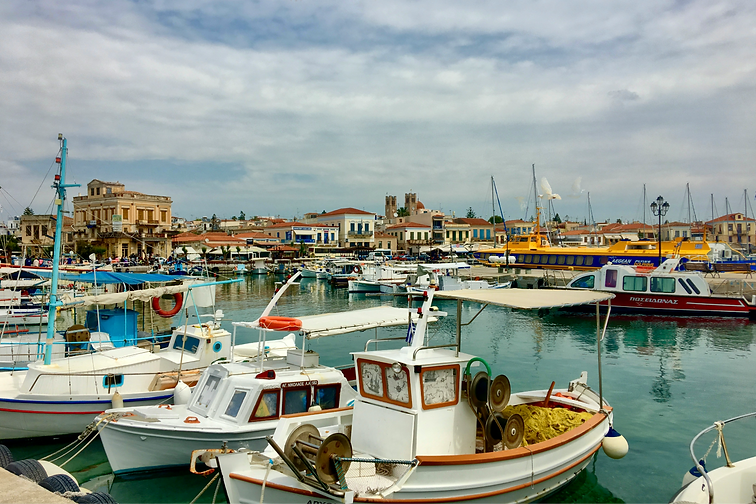
A blend of world-class pistachio groves and ancient ruins, where vibrant harbor life meets fertile volcanic hills. Just minutes from the mainland.
Intro
Aegina is an island of balance, where the bustling energy of a working port meets the quiet dignity of ancient history and fertile hills. As the closest major island to Athens, it feels lived-in and productive, defined by its sprawling pistachio orchards and the landmark Temple of Aphaia. The main town is a lively hub of neoclassical architecture and a vibrant fish market, while the interior offers a more rugged, volcanic landscape of olive groves and Byzantine ruins. Aegina is grounded and diverse, appealing to those who want a blend of cultural depth, local agriculture, and a fast-paced but authentic island atmosphere.
Who It's Best For
Aegina is the ideal destination for travelers who crave an authentic Greek experience without the logistical strain of long-distance travel. Just a short ferry ride from Athens, it serves as a perfect sanctuary for history enthusiasts eager to explore the remarkably preserved Temple of Aphaia and the hauntingly beautiful "ghost village" of Paleochora. It is equally rewarding for families and slow-travelers who appreciate a laid-back atmosphere, sandy shallow-water beaches like Agia Marina, and the charm of a working island where pistachio orchards and traditional fish markets take precedence over high-octane nightlife. Whether you are a solo adventurer looking for a safe, walkable getaway or a foodie in search of the world’s best pistachios and harbor-side seafood, Aegina offers a grounded, unpretentious slice of Saronic life that feels worlds away from the mainland.
Who It's Best For: A Quick Breakdown
Traveler Type | Why They’ll Love Aegina |
History Enthusiasts | Home to the Temple of Aphaia, one of Greece’s most well-preserved ancient sites. |
Families | Features calm, shallow sandy beaches like Agia Marina and a safe, walkable town center. |
Day-Trippers | The most accessible island from Athens (40–60 mins), perfect for a quick "island fix." |
Foodies | Famous for PDO-protected pistachios and fresh seafood in the fishing village of Perdika. |
Slow Travelers | Offers an authentic, local vibe that remains active and charming even outside of peak season. |
Things to Know
The most important thing to understand about Aegina is its dual identity: it is both a bustling local suburb of Athens and a tranquil island escape. Because of its proximity to the mainland, weekends are significantly busier and more expensive, so visiting mid-week is the best way to secure the best taverna tables and quieter beaches. When booking your ferry from Piraeus, pay close attention to the boat type: the "Flying Dolphin" hydrofoils are twice as fast (40 mins) but don't allow you to stand on deck, whereas the large car ferries (60–90 mins) offer a classic Mediterranean experience with sun decks and lower prices. Once on the island, while there is a decent bus system (KTEL) connecting the port to Agia Marina, renting a moped or a small car is highly recommended if you want to visit the Temple of Aphaia and the mountain village of Paleochora in a single day. Lastly, remember that Aegina Town is a working port; for the best swimming, you’ll want to head at least ten minutes outside of the main harbor to find the clearer, turquoise waters the Saronic is known for.

Things To Do
Visit the Temple of Aphaia to see one of the most well preserved ancient structures in Greece which forms a sacred triangle with the Parthenon and the Temple of Poseidon.
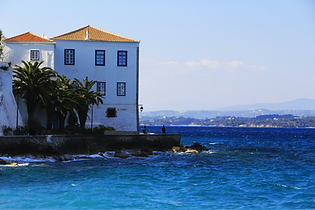
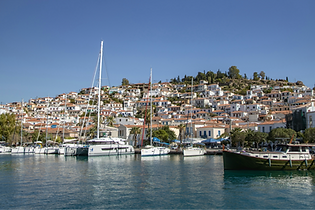
Stroll through Aegina Town to admire the colorful neoclassical mansions and watch the fishing boats from the busy waterfront promenade.
Take a boat trip to Moni Islet from the village of Perdika to swim in turquoise waters and see the free-roaming peacocks and deer that inhabit the uninhabited island.
Explore the Byzantine ruins of Paleochora where you can hike between dozens of small historic churches scattered across a hillside that once served as the island's capital.
Sample local pistachio products at the waterfront stalls including fresh nuts, pistachio butter, and the island's famous pistachio flavored ice cream.
Visit the Monastery of Agios Nektarios which is one of the largest and most significant pilgrimage sites in Greece dedicated to a modern saint.
These activities reflect how Aegina is experienced through a blend of major archaeological landmarks, traditional harbor life, and easy coastal excursions rather than high-intensity hiking or secluded mountain retreats.
Beaches or Nature
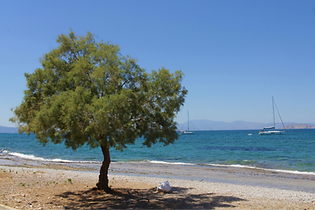
Aegina offers a diverse coastline that transitions from organized sandy shores to quiet rocky coves. The eastern side of the island around Agia Marina features the longest sandy beach and shallow waters, making it a primary hub for swimming. In contrast, the southern coast near Perdika is characterized by rocky platforms and crystal-clear deep water, while the uninhabited islet of Moni nearby provides a unique natural sanctuary for peacocks and deer. The island’s interior is dominated by rolling hills covered in ancient pistachio orchards and olive groves rather than dense forests or high mountains. Nature on Aegina is experienced through a combination of accessible seaside relaxation and a productive, agricultural landscape.
Areas to Explore
Aegina Town is the island's bustling administrative and cultural heart, characterized by its neoclassical buildings, historic fish market, and a lively waterfront lined with cafes and boutiques.
Perdika is a traditional fishing village on the southern tip known for its quiet pedestrian promenade and elevated tavernas that offer some of the best sunset views in the Saronic Gulf.
Agia Marina serves as the main resort hub on the eastern side, featuring the island's longest sandy beach and a wide variety of hotels and nightlife options catering to international tourists.
Souvala is a relaxed port town on the northern coast favored by local Athenians, famous for its therapeutic thermal springs and a more low-key, residential atmosphere.
Vathy and Kypseli are inland agricultural villages where the island’s famous pistachio orchards are concentrated, offering a glimpse into the traditional rural life of the island.
These areas reflect how Aegina is divided between its sophisticated capital, popular seaside resorts, and authentic agricultural interior, providing a variety of experiences for different types of visitors.
Local Cuisine
Aegina’s culinary identity is synonymous with its world-famous pistachios, which find their way into everything from savory sauces and crusts for fish to sweets and liqueurs. The island’s food culture is also deeply rooted in its maritime history, with the central fish market in Aegina Town serving as the heart of a vibrant seafood scene where "kakavia" (traditional fisherman’s soup) is a local staple. In the inland villages, the focus shifts to olives, grapes, and cheeses, reflecting the island's fertile volcanic soil. Dining on Aegina is a blend of sophisticated harbor-side seafood and rustic agricultural flavors, defined by a single world-class ingredient that elevates simple Mediterranean dishes.
History
Aegina holds a prominent place in Greek history as a powerful ancient rival to Athens and the first capital of the modern Greek state in 1827. In antiquity, it was a dominant maritime power and the first city-state in Europe to mint its own silver coins known as Turtles. The island is home to the Temple of Aphaia, which forms part of the Sacred Triangle along with the Parthenon and the Temple of Poseidon at Sounion. Beyond ancient ruins, the island’s role in the 19th-century Greek War of Independence solidified its status as a cultural and political center where the first national government was organized. Aegina’s history is a blend of ancient naval supremacy and its pivotal contribution to the birth of modern Greece.
Best Time To Visit
Aegina is a year-round destination due to its close proximity to Athens, but it is most vibrant from May through October. During these months, the hydrofoils run frequently and the weather is ideal for visiting the Temple of Aphaia or swimming at the beaches in Perdika and Souvala. The summer months also coincide with the peak of the pistachio harvest, culminating in the famous Fistiki Fest in September.
From November through March, the island remains more active than smaller islands because of its large permanent population. While beach-focused businesses may close, the main town stays lively with local tavernas and cafes. This cooler period is excellent for hiking the ancient trails or visiting the Monastery of Saint Nektarios without the summer crowds.
Editors Insider Tips
On Aegina, the proximity to Athens means the island can feel like two different worlds depending on when you visit. While the main port is bustling and convenient for a quick trip, staying in the fishing village of Perdika offers a more traditional and relaxed atmosphere. If you plan to visit the Temple of Aphaia, try to go in the late afternoon to catch the light hitting the ancient columns, and remember that it forms an "isosceles triangle" with the Parthenon and the Temple of Poseidon at Sounion.
Transportation is a key factor here; while the island is large enough to justify bringing a car or renting a scooter, the local bus system is surprisingly reliable for reaching the main sights. For a unique local experience, buy your pistachios from the floating greengrocers (boats docked in the harbor) rather than the souvenir shops. If you have an extra hour, take the 10-minute boat ride to the tiny, uninhabited island of Moni, where wild deer and peacocks roam freely and the water is incredibly clear.
Frequently Asked Questions
1. How do I get to Aegina?
Aegina is one of the easiest islands to reach from the capital.
By Ferry: Ferries depart daily from the port of Piraeus.
Duration: High-speed hydrofoils (like the Flying Dolphins) take about 40 minutes, while larger conventional ferries take about 1 hour and 15 minutes.
Cost: Tickets generally range from 10 EUR to 20 EUR depending on the speed of the vessel.
Ports: Aegina has three ports (Aegina Town, Souvala, and Agia Marina). Most visitors arrive at the main port in Aegina Town.
2. Is there an ATM and pharmacy on the island?
Yes, Aegina is a well-developed island with full amenities.
ATMs: Multiple banks and ATMs are located along the harbor in Aegina Town and in the resort of Agia Marina.
Pharmacies: There are several pharmacies in the main town and at least one in every major village like Souvala and Perdika.
3. Do I need to rent a car?
It depends on your plans, but a car is not strictly necessary for a short stay.
Public Transport: A reliable bus system connects Aegina Town with major sites like the Temple of Aphaia and the beaches of Agia Marina and Perdika.
Taxis: Taxis are readily available at the port.
Car/Scooter Rental: If you want to explore the hidden mountain villages or the "interior" of the island, renting a car or a scooter for a day is a great idea.
4. Which are the best beaches on Aegina?
Aegina has a variety of organized sandy beaches and quiet rocky coves.
Agia Marina: The largest and most popular sandy beach on the island. It is very shallow, making it perfect for families with small children.
Marathonas: Two organized sandy beaches close to Aegina Town with plenty of tavernas and a relaxed vibe.
Perdika: A picturesque fishing village with small, rocky platforms and clear water for diving.
Moni Island: A 10-minute boat ride from Perdika takes you to this uninhabited islet with peacocks, deer, and incredible turquoise water.
5. Can you drink the tap water?
Yes, as of 2026, the tap water in Aegina is generally safe to drink.
The Pipeline: The island is connected to the Athens water network via a massive underwater pipeline.
Taste: While safe, some visitors still prefer bottled water due to the mineral content or personal preference regarding taste.
6. What is the Temple of Aphaia?
This is one of the most important and well-preserved ancient sites in Greece.
The Sacred Triangle: The temple forms an isosceles triangle with the Parthenon in Athens and the Temple of Poseidon at Sounion.
The View: Located on a pine-covered hill, it offers a breathtaking view of the Saronic Gulf. On a clear day, you can see all the way to the Acropolis.
7. Why is Aegina famous for pistachios?
Aegina produces what many consider the best pistachios in the world.
The "Koilarati" Variety: The island’s unique soil and dry climate create a pistachio with a distinct, rich flavor.
Fistiki Fest: If you visit in September, you can experience the annual festival dedicated to the harvest.
What to Buy: Look for pistachio butter, pistachio pesto, and "spoon sweets" made from the green nuts.
8. Who was Agios Nektarios?
The Monastery of Agios Nektarios is one of the largest and most visited religious sites in Greece.
The Saint: It is dedicated to Saint Nektarios, a modern-day Greek Orthodox saint known for his healing powers.
The Site: The massive cathedral is architecturally impressive and sits halfway between Aegina Town and Agia Marina.
9. Where is the best place to stay?
Aegina Town: Best for those who want to be near the shops, the best bars, and the main port.
Agia Marina: Best for families who want to be steps away from a sandy beach and organized resorts.
Perdika: Best for a quiet, romantic stay in a traditional fishing village setting.
10. How many days should I stay?
Day Trip: Aegina is the most popular day trip from Athens. You have enough time to see the Temple of Aphaia and have lunch at the harbor.
2 to 3 Days: The ideal amount of time to relax, visit the monastery, and take a boat over to Moni Island for a swim.


Discover Beaches on this Island
Discover more Greek Islands in the Saronic