


Skyros

A spacious island with open landscapes, strong local culture, and quieter travel flow.
Intro
Skyros is the most distinct and isolated of the Sporades, standing as a fascinating bridge between the lush, green forests of the north and the rugged, Cycladic-style terrain of the south. The island is celebrated for its deeply rooted cultural traditions, including its unique wood-carving craftsmanship and the legendary, miniature Skyrian horses that roam the southern plateaus. The main town, Chora, is a stunning maze of cubic white houses draped over a rocky peak, crowned by a Byzantine castle and the monastery of Saint George. Whether exploring the secluded northern bays shaded by Aleppo pines or experiencing the spirited energy of its ancient Apokries carnival, Skyros remains a hidden sanctuary for those seeking an authentic and unconventional Greek experience.
Who It’s Best For
Skyros is a cultural sanctuary that appeals to the unconventional traveler looking for a Greek island experience that is both raw and deeply traditional. It is the ideal choice for culture enthusiasts and history buffs who want to explore a destination where ancient customs, like the wild Apokries carnival and the preservation of the rare Skyrian horse, are still a vital part of daily life. Because the island is split between a lush, forested north and a stark, Cycladic-style south, it is a dream for hikers and nature photographers who crave diverse landscapes within a single day's trek. While the island offers beautiful sandy beaches like Magazia, it primarily draws peace seekers and authentic travelers who prefer the quiet, artisanal atmosphere of Chora over a developed tourist scene. It is also a unique find for families with young children who want to visit the conservation farms to meet the island’s famous miniature horses and learn about traditional wood-carving crafts.
Who It’s Best For: A Quick Breakdown
Traveler Type | Why They’ll Love Skyros |
Culture Seekers | To witness the unique Skyrian wood-carving, embroidery, and the legendary, ancient goat-dance carnival. |
Authentic Explorers | Chora offers a maze of white cubic houses and Byzantine monuments that feel entirely untouched by mass tourism. |
Animal Lovers | Home to the rare Skyrian horse, one of the oldest and smallest horse breeds in the world, protected in natural habitats. |
Hikers & Trekkers | Features dramatic contrasts between the pine-scented northern trails and the rugged, rocky southern plateaus. |
Solitude Seekers | Its relative isolation and lack of heavy ferry traffic from other islands keep the atmosphere calm and genuinely local. |
Things to Know
Skyros is unique among the Sporades because it is primarily served by a single ferry, the Achilleas, which runs daily between the island and the port of Kymi on the island of Evia. The crossing takes about one hour and forty minutes, but you must factor in the roughly three-hour drive or bus ride from Athens to reach Kymi first. For those who prefer to fly, the island has its own national airport with domestic connections to Athens and Thessaloniki, though flights are less frequent than on larger islands and often sell out well in advance during the peak summer months or the famous Carnival season.
Once you arrive at the port of Linaria, you will find that the island's public bus network is limited, primarily connecting the port to Chora and the popular nearby beaches of Magazia and Molos. To truly explore the contrasting northern and southern halves of the island, renting a car or scooter is essential, as many of the most scenic spots and the Skyrian horse farms are located off the main transport routes. If you visit the main town, Chora, be prepared for significant walking on steep, narrow paths; parking is restricted to designated areas at the base of the village, so wearing comfortable shoes is a must. Finally, if you plan to visit for the Apokries carnival in February or March, you must book your accommodation and ferry tickets months in advance, as this is the island's busiest and most significant cultural event.
Things To Do
Meet the Native Skyrian Horses to visit conservation centers like Mouries Farm and learn about this rare, ancient breed of miniature horse that is a protected trademark of the island.
Climb to the Monastery of Saint George to explore the 10th-century Byzantine sanctuary and its fortress-like castle (Kastro) which towers over Chora, offering 360-degree views of the archipelago.
Photograph the Church of Agios Nikolaos to see a unique chapel literally carved into a massive, free-standing coastal rock at the northern edge of Molos Beach.
Discover Local Art at the Faltaits Folklore Museum to view a sprawling collection of traditional costumes, intricate wood-carved furniture, and rare manuscripts housed in a 19th-century mansion.
Hike to the Grave of Rupert Brooke to pay respects at the serene, marble tomb of the famous English poet, located in a remote olive grove at the southern bay of Tris Boukes.
These activities reflect how Skyros is experienced through its isolation and deep-rooted cultural pride, blending ancient legends and artisanal traditions with a raw, contrasting natural landscape.

Areas to Explore
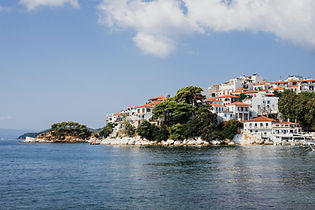
Skyros Town (Chora) is a striking village of white, flat-roofed houses built into a steep hillside, where the narrow paths are too tight for cars and the smell of jasmine fills the air.
Molos and Magazia are the main seaside spots located right below Chora, offering a long stretch of dark sand and a lively summer atmosphere with many cafes and guesthouses.
Linaria is the island's cozy port where the ferry docks, known for its friendly harbor front and the traditional music that plays every time a ship arrives.
Atsitsa is a quiet bay on the pine-covered northern coast where the forest meets the sea, famous for the stone pillars of an old iron ore mine and its peaceful wellness retreats.
The Southern Plateau is the wild and rocky part of the island where the landscape feels almost like a desert and the rare Skyrian horses live in their natural habitat.
These places show the big difference between the busy white village in the center and the quiet, wild nature found at both ends of the island.
Beaches or Nature
Skyros is an island of two distinct halves, where the lush, pine-filled north crashes into the barren and rocky landscape of the south. The northern part of the island is covered in dense forests and fertile valleys that reach down to calm, emerald bays like Atsitsa, where old iron ore loading pillars still stand in the water. In the south, the terrain turns into a wild, mountainous desert dominated by Mount Kochylas, which is a protected area for rare plants and birds of prey. This rugged southern region is the natural habitat of the Skyrian Horse, one of the oldest and rarest breeds of small horses in the world that still roam semi-free. The coastline offers a great variety of textures, from the long, dark sandy stretches of Molos and Magazia to the remote, cedar-lined dunes of Agios Petros on the west coast. Nature on Skyros is experienced as a land of sharp contrasts, shifting from soft woodland trails to a stark, wind-swept wilderness that feels completely isolated from the rest of the world.
Local Cuisine
Skyros offers a unique culinary identity rooted in its rugged landscape and a long history of self-sufficiency. The island is most famous for its Skyrian lobster pasta, a luxurious dish where fresh Mediterranean lobster is tossed with a rich tomato sauce and served over local pasta. Because of the rocky southern terrain, the island also produces exceptional goat and lamb dishes, which are often slow-cooked with wild herbs like oregano and thyme. A staple of any Skyrian table is the ladopita, a savory fried bread topped with a slice of sharp, local xynotyri cheese and often drizzled with golden thyme honey. For a sweet treat, the island is known for its amygdalota, which are flourless almond cookies that have a distinct chewy texture and a light floral aroma. Dining on Skyros is a rustic and soulful experience, whether you are in a hilltop taverna overlooking the white houses of the Chora or at a quiet beach shack where the taste of the sea is as fresh as the breeze.
History
Skyros is an island where mythology and history are deeply intertwined, serving as the setting for some of the most famous legends of the Heroic Age. According to myth, it was here that Thetis hid her son Achilles to prevent him from fighting in the Trojan War, and it is also where the hero Theseus met his tragic end. In the 5th century BCE, the Athenian admiral Cimon conquered the island and claimed to have found the remains of Theseus, bringing them back to Athens in triumph. During the Byzantine and Venetian periods, the island faced relentless pressure from Aegean pirates, which dictated the unique design of its Chora, where houses are built high on a rocky peak and clustered tightly together for defense. The towering Byzantine Castle, built on the site of the ancient acropolis, still stands as a guardian over the town and houses the historic Monastery of Saint George. Throughout the centuries, Skyros has maintained a fierce cultural independence, preserved in its unique wood-carving traditions, elaborate local costumes, and the enigmatic Goat Dance performed during carnival, which likely has roots in ancient Dionysian rites.
Best Time to Visit
Skyros is most popular and vibrant from June through September, when the island's unique contrast of lush forests and rugged cliffs is bathed in the Mediterranean sun. During these months, the sparkling waters of Molos and Atsitsa are warm and inviting, making it a paradise for those who enjoy swimming and sailing. The winding alleys of the Chora come alive with visitors exploring the local pottery workshops and enjoying the view from the Byzantine castle. August is the peak of the season, a time when the island’s squares are filled with the scent of jasmine and the sound of local festivals celebrating its maritime and shepherd traditions.
From October through May, Skyros transitions into a peaceful, green retreat focused on its deep-rooted cultural customs and the care of the rare Skyrian Horses. A major highlight of this period is the Skyros Carnival in February or March, a famous event where the "Old Men" and "Young Maidens" parade through the streets in traditional costumes. The cooler spring months are ideal for trekking the wild paths of Mount Kochylas or birdwatching in the northern pine woods. While the beachside tavernas close, the town remains a warm and welcoming hub of local life, offering a chance to taste hearty mountain dishes in a quiet setting. Travelers should note that the island is served by Skyros National Airport and a reliable year-round ferry from Kymi, ensuring it remains connected even during the quietest months of winter.
Editors' Insider Tips
Skyros is an island of sharp contrasts that is best explored with a sturdy rental vehicle, preferably a 4x4, to navigate the unpaved roads of the wild southern region. Our top recommendation is to visit the Mouries Farm or other conservation centers to see the Skyrian Horse up close. To truly appreciate these rare animals, try to visit during the late afternoon when the handlers are active and the light over the grazing fields is soft and golden.
For a deep dive into the island's unique aesthetic, spend an hour at the Faltaits Folklore Museum in the Chora. It is one of the best private museums in Greece and houses incredible examples of Skyrian wood-carving and ceramics that you won't find anywhere else. If you are looking for a unique souvenir, look for the local woodcarving workshops where artisans create the famous "Skyrian chairs," which are small, intricately carved pieces of furniture. Finally, for a "secret" sunset experience, head to the Atsitsa bay area on the northwest coast. While most people watch the sunset from the Castle, the abandoned iron ore pillars at Atsitsa provide a hauntingly beautiful silhouette against the orange sky, and the calm water is perfect for a late-day dip.
Frequently Asked Questions
1. How do I get to Skyros from Athens?
Skyros is unique because its main ferry connection is not from Piraeus but from the island of Evia.
By Air: There are direct domestic flights from Athens International Airport that take about 40 minutes. This is the most seamless way to arrive.
By Ferry: You must drive or take a bus from Athens to the port of Kymi in Evia. From there, the local ferry Achilleas takes about 1 hour and 40 minutes to reach Skyros.
2. Do I need to rent a car in Skyros?
Yes, a car is highly recommended if you want to see the diversity of the island.
The Bus: There is a local bus that connects the Port (Linaria) to the Chora and the main beach of Magazia. However, it does not reach the remote northern forests or the southern plains.
Exploring: To visit the grave of poet Rupert Brooke or to see the Skyrian ponies in their natural habitat, you will need your own vehicle.
3. What makes Skyros Town (Chora) special?
The Chora of Skyros is one of the most beautiful in Greece, featuring a mix of Cycladic and local architecture.
The Layout: It is built on a steep cliff topped by a Byzantine castle and the Monastery of Saint George. The narrow alleys are filled with white houses that often have traditional wooden furniture visible through the windows.
The View: Walking to the "Plateia Dinous" (the Square of the Eternal Poet) offers an incredible panoramic view of the Aegean Sea.
4. What are the Skyrian Ponies?
The Skyrian pony is one of the rarest and oldest horse breeds in the world.
Where to see them: While they used to roam wild across the southern mountain of Kochylas, they are now mostly protected in special farms.
Visits: You can visit the Mouries Farm or the Skyros Island Horse Trust to see the ponies and learn about the conservation efforts to save the breed.
5. Can you drink the tap water in Skyros?
No, it is best to stick to bottled water for drinking.
The tap water is safe for washing and showering, but like many islands, the mineral content makes it unappealing for drinking.
Bottled water is readily available at any mini market in Chora or Linaria.
6. Which are the best beaches on the island?
Skyros has a beach for every type of traveler.
Magazia and Molos: These are the most popular sandy beaches, located right below the Chora. They are organized with sunbeds and tavernas.
Pefkos and Atsitsa: These northern beaches are surrounded by pine trees that reach right down to the water, providing natural shade and a peaceful atmosphere.
7. What is Skyrian woodcarving?
Skyros is famous for its intricate woodcarving, which is a key part of the island's identity.
Furniture: Traditionally, Skyrian houses are small, so the furniture (like the "Skyrian chair") is small, functional, and deeply carved with folk motifs.
Souvenirs: You can visit workshops in the Chora to buy hand-carved chests, stools, or smaller decorative items.
8. Is Skyros good for nightlife?
Skyros has a low-key and sophisticated nightlife rather than a clubbing scene.
The Steno: The main pedestrian street of Chora is lined with small bars and cafes that stay busy until the early hours.
The Port: Linaria has a few nice spots for a quiet drink by the water, including a famous bar that plays Zarathustra every time a ferry enters the harbor.
9. What should I eat in Skyros?
The island's most famous dish is Lobster Pasta (Astakomakaronada).
Seafood: Because Skyros has a large fishing fleet, fresh lobster is more affordable here than on almost any other Greek island.
Other Specialties: Try the Skyrian oil-pie (ladopita) served with local xinotyri cheese, and the slow-cooked goat meat.
10. How many days should I spend in Skyros?
To experience both the forested north and the rugged south, 4 to 5 days is perfect.
This gives you time to explore the Chora, visit the historic monasteries, spend time with the ponies, and discover the hidden coves around the island.

Discover the Beaches on this Island




How to Get to More Destinations from Here


