


Skopelos

A green island with traditional towns, pebbled beaches, and a calm coastal pace.
Intro
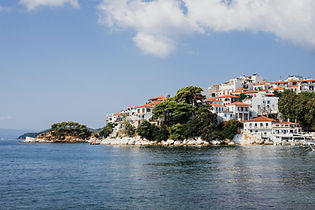
Skopelos is the serene, emerald soul of the Sporades, famously recognized as the filming location for Mamma Mia! due to its striking scenery where forest-clad mountains meet the deep turquoise sea. The island is defined by its incredibly dense pine canopy, which covers nearly eighty percent of its land and stretches all the way down to the water’s edge at pebbled bays like Panormos and Kastani. Beyond its cinematic fame, the island remains deeply traditional, with the whitewashed, terracotta-roofed houses of Skopelos Town cascading down a steep hillside toward the harbor. From the iconic, cliffside chapel of Agios Ioannis to its renowned plum orchards and artisanal honey, the island offers a quiet, sophisticated escape centered on natural beauty and local craftsmanship.
Who It’s Best For
Skopelos is a serene sanctuary that appeals to those seeking a balance of natural beauty and authentic island life without the frantic pace of its neighbor, Skiathos. It is the perfect match for couples and romantics who are drawn to the island's cinematic landscapes and the quiet, winding alleys of its traditional villages. Because the island is famously green, it is a hiker’s paradise, offering a network of trails that lead through dense pine forests to hidden Byzantine monasteries and ancient pirate graves. While families will love the calm, translucent waters of bays like Panormos, the island also draws a specific crowd of film enthusiasts eager to visit the iconic cliffside chapel from Mamma Mia!. It is a destination for slow travelers and foodies who want to indulge in local specialties like the famous twisted cheese pie and honey-drenched desserts in a setting that feels sophisticated yet remains firmly rooted in Greek tradition.
Who It’s Best For: A Quick Breakdown
Traveler Type | Why They’ll Love Skopelos |
Romantics & Couples | The picturesque Chora and stunning sunsets over the "Mamma Mia" chapel provide an incredibly romantic backdrop. |
Nature Lovers | Known as the "Green and Blue" island, its pine forests literally touch the sea, creating a unique, lush coastal environment. |
Cinema Fans | To follow the footsteps of the Mamma Mia! cast at Kastani Beach and the breathtaking church of Agios Ioannis. |
Hikers & Explorers | Offers excellent trekking routes to the Sentoukia ancient tombs and the lush peaks of Mount Delphi and Palouki. |
Peace Seekers | Lacks an airport, which helps preserve a quieter, more authentic atmosphere compared to more accessible islands. |
Things to Know
Skopelos does not have its own airport, so most travelers arrive by flying into neighboring Skiathos and taking a short ferry ride that lasts between 30 and 60 minutes. Alternatively, you can reach the island via ferry from mainland ports like Volos or Mantoudi in Evia, with Volos being the most popular starting point for those combining the islands with a road trip through central Greece. Be aware that Skopelos has three different ports: Skopelos Town (Chora), Loutraki (serving the village of Glossa), and Agnontas. It is vital to double-check which port your ferry is docking at, as Chora and Glossa are on opposite ends of the island and are connected by a winding, 45-minute mountain drive.
Once on the island, the public bus service is reliable and connects the main towns with popular beaches like Panormos and Kastani, though the stops for certain beaches often require a steep uphill walk back to the road. For the ultimate flexibility, renting a car is highly recommended to reach inland treasures like the Sentoukia pirate graves or the many Byzantine monasteries that are not served by public transport. If you are visiting specifically for the Mamma Mia! chapel (Agios Ioannis Kastri), note that it is located on the northern side near Glossa and requires climbing nearly 200 rock-carved steps to reach the top. Finally, keep in mind that northern winds can occasionally make the harbor at Chora difficult for ferries to dock, in which case ships are often diverted to the sheltered bay of Agnontas on the south coast.
Things To Do
Climb the Steps to Agios Ioannis Kastri to reach the iconic cliffside chapel made famous by the Mamma Mia! wedding scene and enjoy breathtaking views of the Aegean coastline.
Wander the Labyrinth of Skopelos Town to explore the historic Chora, a designated traditional settlement filled with whitewashed houses, flower-draped balconies, and the ruins of a Venetian Castle.
Hike to the Sentoukia Pirate Graves to discover ancient rock-cut tombs on Mount Karya that offer a sense of mystery along with panoramic vistas toward Alonissos and Evia.
Swim at Kastani and Milia Beaches to experience the island’s signature "Green and Blue" beauty, where lush pine forests stretch directly down to the turquoise water and pebbled shores.
Visit the Monasteries of Mount Palouki to tour historic spiritual retreats like Evangelistria and Timios Prodromos, known for their fortress-like architecture and ornate 18th-century altarpieces.
These activities reflect how Skopelos is experienced through its cinematic landscapes, its deep-rooted ecclesiastical history, and its unique harmony between dense Mediterranean forests and the sea.

Areas to Explore
Patitiri is the island's main port and heart of activity, where the stone waterfront is lined with cafes, boat rentals, and the headquarters for the marine park.
The Old Village (Chora) sits high on a hilltop and was the original capital until an earthquake in 1965, now beautifully restored with boutique shops and amazing sunset views.
Steni Vala is a tiny, charming fishing harbor that is a favorite spot for yachts and sailors, known for its relaxed vibe and excellent seafood tavernas.
Votsi is a quiet village built around a small, horseshoe-shaped bay with incredibly clear water and traditional houses tucked into the surrounding cliffs.
Milia is a peaceful area tucked away in the pines that offers a great starting point for many of the island's best coastal hiking trails.
These spots show how the island stays quiet and natural, from its busy little port to the old stone houses high on the hill.
Beaches or Nature
Skopelos is often called the greenest island in Greece because dense pine forests cover more than half of its territory, creating a striking image where the trees seem to grow directly out of the sea. The island is famous for its "Green and Blue" landscapes, where the dark emerald of the woods meets the brilliant turquoise of the Aegean in sheltered spots like Panormos Bay. You will find some of the most beautiful water at Kastani Beach and Milia Beach, both of which are framed by lush greenery and feature a mix of fine sand and small white pebbles. For those who enjoy heights, the rocky cliffs of Glossa and the steep slopes of Mount Palouki offer incredible views and hide several historic monasteries tucked away in the forest. One of the most iconic natural sights is the giant rock of Agios Ioannis, which shoots up from the sea and is topped by a tiny chapel made famous by the movie Mamma Mia. Nature on Skopelos is experienced as a peaceful and fragrant world of shaded coastal paths, deep natural harbors, and endless hills of pine and plum trees.
Local Cuisine
Skopelos is a dream for food lovers, famous for its rich soil that produces some of the best fruit and honey in the Aegean. The absolute star of the island is the Skopelos cheese pie, a spiral-shaped pastry that is deep-fried to a golden crisp and filled with savory local goat cheese. The island is also defined by its use of plums (daimtsa), which are sun-dried and added to almost everything, from slow-cooked beef stews to roasted pork dishes. Seafood is equally important here, with dusky grouper stew being a prized local specialty that highlights the freshness of the surrounding waters. For dessert, you must try hamalia, which are delicate triangular pastries filled with almonds and honey and coated in powdered sugar. Dining on Skopelos is an authentic and fragrant experience, whether you are eating in a flower-filled alley in the Chora or at a seaside table where the dark green forest provides a perfect backdrop to a meal of local wine and fresh produce.
History
Skopelos, known in antiquity as Peparithos, was legendary across the Mediterranean for its production of high-quality wine, which was believed to have aphrodisiac properties. Legend says the island was founded by Staphylos, the son of the god Dionysus, and a Minoan tomb discovered on the island is said to be his final resting place. During the Classical period, the island was a member of the Delian League and maintained three fortified cities, the ruins of which can still be seen in the foundations of modern Skopelos Town and Glossa. The island’s strategic position made it a target for the Venetians and later the pirate Barbarossa, whose brutal raid in the 16th century nearly depopulated the island. Despite these hardships, Skopelos emerged as a powerful maritime force during the 18th and 19th centuries, boasting a large fleet of merchant ships that traded as far as the Black Sea. This wealth is reflected in the island's unique architecture, characterized by tall stone houses and more than 360 churches and monasteries that dot the landscape.
Best Time to Visit
Skopelos is most popular and vibrant from June through September, when the island’s signature "Green and Blue" landscapes are at their most brilliant. During these months, the turquoise waters of Kastani and Panormos are warm and calm, making it a paradise for swimmers and fans of the island's famous film locations. The stone-paved streets of Skopelos Town buzz with life as travelers enjoy the summer breeze in waterfront tavernas. July is a cultural highlight, hosting the Rebetiko Festival, which fills the air with the soulful sounds of traditional Greek music under the stars.
From October through May, Skopelos transitions into a peaceful, green retreat focused on its rich agricultural traditions, particularly the harvesting of its famous plums and olives. Because the island is so heavily forested, the spring months of April and May offer a stunning display of lush greenery and wildflowers, making it an ideal time for hikers to explore the trails of Mount Palouki. While the coastal beach bars quiet down, the town and the mountain village of Glossa remain active, offering a cozy atmosphere where you can enjoy local stews by a fire. Travelers should note that ferry connections from Volos and Mantoudi continue year-round, though schedules are less frequent than in the summer, making the island a serene escape for those seeking solitude and nature.
Editors' Insider Tips
Skopelos is a lush, rugged island that rewards those who venture beyond the main port, and the best way to see it is by renting a car to navigate the winding coastal roads. Our top recommendation is to visit the Church of Agios Ioannis Kastri, the famous Mamma Mia church perched on a sea rock. To capture the best light for photos and avoid the tour bus crowds, aim to climb the 200 steps either very early in the morning or just before sunset when the heat has faded.
For an authentic taste of the island's famous produce, visit a local plum drying oven. Many families in the interior still use traditional methods to smoke and dry their plums, which are the secret ingredient in many local meat dishes. If you are looking for a unique souvenir, Skopelos is renowned for its miniature shipbuilding tradition; you can find exquisite hand-carved wooden boats in the workshops of the Chora. Finally, for a "secret" swimming spot, hike down the narrow path to Hovolo Beach near Elios. The towering white limestone cliffs and the brilliant turquoise water make it feel far more remote than the organized beaches, but be sure to bring your own water and snacks as there are no facilities on this stretch of sand.
Frequently Asked Questions
1. How do I get to Skopelos from Athens?
There is no direct ferry from the main port of Piraeus, and the island does not have its own airport.
By Air: The most popular route is to fly from Athens to the neighboring island of Skiathos. From there, you take a short ferry ride of 30 to 60 minutes to reach Skopelos.
By Ferry from the Mainland: You can take a bus or car from Athens to the port of Mantoudi (Evia) or Volos. From Mantoudi, the ferry takes about 2 to 3 hours, while from Volos it takes approximately 3 to 4 hours.
2. Where are the main Mamma Mia filming locations?
Skopelos hosted the majority of the filming for the first movie, and most locations are easy to visit.
Agios Ioannis Kastri: This is the iconic church on top of a rock where the wedding takes place. It is a 100 meter climb up roughly 200 steps.
Kastani Beach: Most of the beach scenes, including the performance of Does Your Mother Know, were filmed here.
Amarantos Cove: The area with the two lonely pine trees on a rocky outcrop where Sophie reads her mother’s diary.
3. Which town is the best base: Chora or Glossa?
Your choice depends on whether you want convenience or a more traditional, quiet experience.
Skopelos Town (Chora): The main port and capital. It is built like an amphitheater and has the most options for dining, shopping, and nightlife. It is the best base if you rely on the bus system.
Glossa: The second largest village, located high on a hill with incredible sunset views. It is much quieter and more traditional, but you will definitely want a car if you stay here.
4. Do I need to rent a car?
While there is a bus system, a car provides a much better experience on Skopelos.
The Bus: It runs along the main road connecting the Chora to Glossa and the major beaches like Panormos and Milia. It is reliable but can be very crowded in July and August.
Renting a Car: To reach the Mamma Mia church or the more secluded northern beaches like Perivoliou, a car is essential. Because many roads are narrow and winding, a small car is often easier to handle than a large one.
5. Can you drink the tap water in Skopelos?
Yes, unlike many other Greek islands, the tap water in Skopelos is generally safe to drink.
The island is connected to a municipal water network that provides drinkable water to most houses and hotels in the main villages.
If you are staying in a very remote villa that uses a private cistern, you should ask the owner first. If you prefer the taste, bottled water is widely available.
6. Are the beaches in Skopelos sandy or pebbly?
Most of the beaches on Skopelos are a mix of fine pebbles and sand.
Turquoise Water: The combination of white pebbles and the surrounding pine trees gives the water a brilliant emerald and turquoise color.
Top Choices: Milia and Panormos are widely considered the best beaches for swimming. Kastani is the most famous for its movie history, while Limnonari is tucked into a calm, sandy cove.
7. What is the traditional food of Skopelos?
The island has a rich culinary tradition that goes beyond standard Greek fare.
Skopelos Cheese Pie: The most famous local dish. It is a spiral shaped pie made with local goat cheese and deep fried until crispy.
Plums: Skopelos is famous for its plums, which you will find in many savory dishes, such as dusky grouper stifado (fish stew) or pork with plums.
8. Is Skopelos good for hiking?
Yes, it is a paradise for nature lovers and hikers.
Marked Trails: There is a network of trails that lead through dense pine forests and past historic monasteries on Mount Palouki.
Popular Routes: The hike from Skopelos Town to the monasteries offers incredible views of the harbor, while the trail from Old Klima to the Mamma Mia church is a favorite for those who want a scenic coastal walk.
9. Are there ATMs and pharmacies available?
Yes, but they are mostly located in the main hubs.
ATMs: You will find several ATMs in Skopelos Town (Chora), Glossa, and Neo Klima. Most businesses take cards, but it is always good to have some cash for small tavernas or bus tickets.
Pharmacies: There are multiple pharmacies in the Chora and at least one in Glossa. They follow standard Greek opening hours and are usually closed on weekend afternoons.
10. How many days should I stay?
To really experience the island without rushing, 5 to 7 days is ideal.
This allows you time to spend a couple of days at the major beaches, one day for the Mamma Mia tour, and a day or two to explore the inland villages and monasteries.

Discover the Beaches on this Island




How to Get to More Destinations from Here


