


Alexander the Great
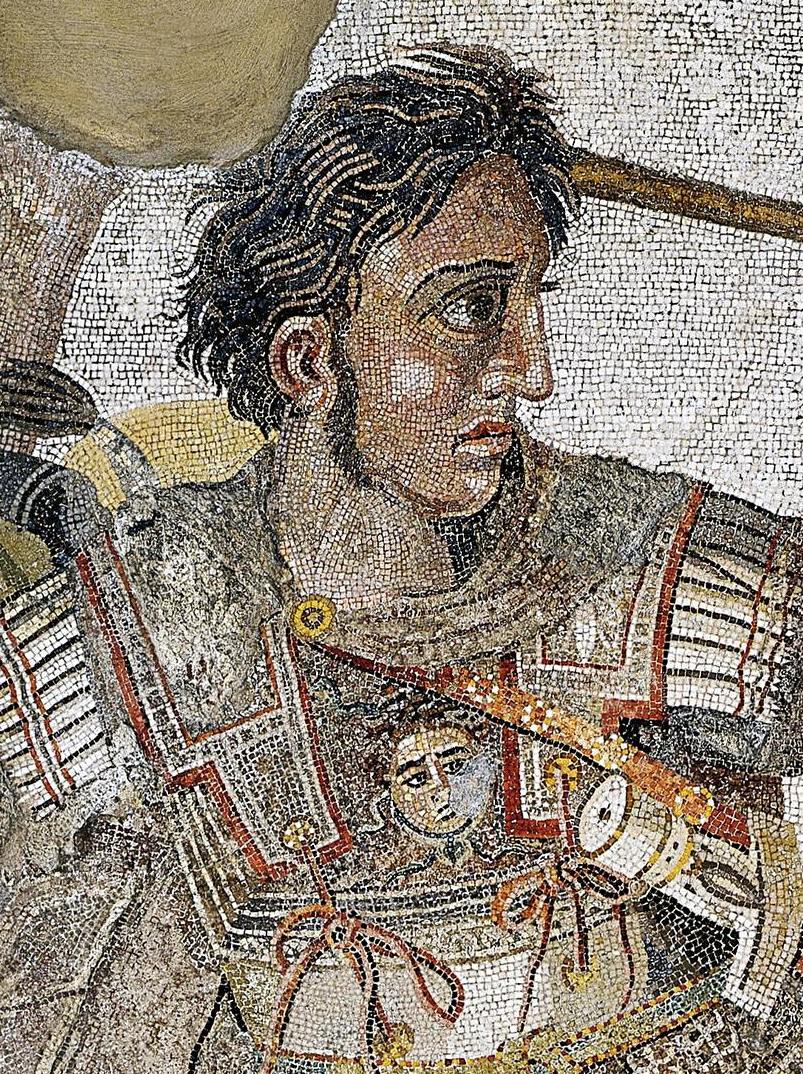
Photo: Public Domain via Wikimedia Commons
Alexander the Great
Alexander III of Macedon, known as Alexander the Great, was one of the most famous military leaders in history. He was born in 356 BC in the city of Pella, the capital of the ancient kingdom of Macedon, located in northern Greece. By the age of thirty, he had created one of the largest empires of the ancient world, stretching from Greece across Egypt and Persia and into parts of India. His conquests spread Greek language, culture, and ideas across a vast region, shaping the history of the Mediterranean and the Near East for centuries.
Early Life and Family
Alexander was the son of King Philip II of Macedon, a powerful ruler who transformed Macedonia into a strong military state, and Olympias, a princess from Epirus. His father built a disciplined army and planned to invade the Persian Empire, which was the greatest power in the region at the time.
Alexander grew up in the royal court of Pella. From a young age he showed intelligence, ambition, and a strong personality. According to ancient stories, one of the earliest signs of his character was when he tamed a wild horse named Bucephalus that no one else could control. Alexander realized the horse was afraid of its own shadow and turned it toward the sun, calming it. The horse later became his famous war companion.
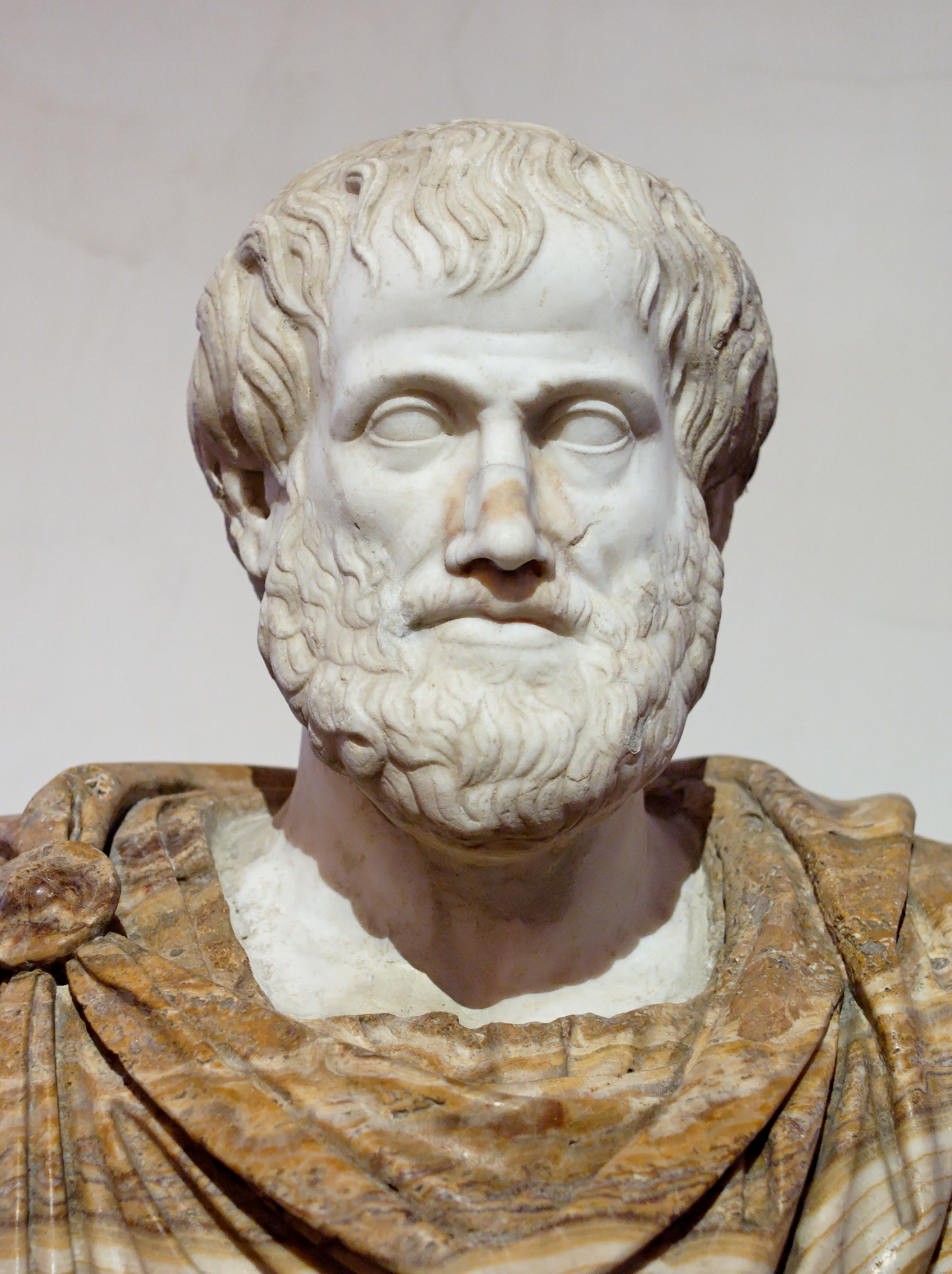
Alexander received an excellent education. His most famous teacher was the Greek philosopher Aristotle, who taught him subjects such as philosophy, science, literature, and medicine. Aristotle also introduced Alexander to the works of Homer, especially the Iliad, which greatly influenced him. Alexander admired the hero Achilles and reportedly kept a copy of the epic poem with him during his campaigns.
Rise to Power
In 340 BC, while still a teenager, Alexander was left in charge of Macedonia as regent while his father campaigned elsewhere. During this time he successfully crushed a rebellion by a local tribe and founded a city called Alexandropolis.
Two years later, Alexander fought beside his father in the Battle of Chaeronea in 338 BC. This battle was fought against a coalition of Greek city states led by Athens and Thebes. Alexander commanded the cavalry on the Macedonian side and helped break the enemy line. The victory allowed Philip II to unite much of Greece under Macedonian leadership.
In 336 BC, King Philip II was assassinated by one of his bodyguards. At only 20 years old, Alexander became king of Macedon. His position was not secure at first. Some Greek cities and neighboring tribes believed the young king would be weak and attempted to rebel. Alexander moved quickly to secure his rule. He defeated tribes north of Macedonia and crushed a revolt in the Greek city of Thebes. The city was destroyed as punishment, which served as a warning to others not to challenge him.
The Campaign Against Persia
Alexander then turned to his father’s unfinished plan to conquer the Persian Empire, which controlled a vast territory across Asia. In 334 BC, he crossed the Hellespont (today called the Dardanelles) into Asia Minor with an army of about 40,000 soldiers.
His first major victory came at the Battle of the Granicus River, where his forces defeated Persian troops and gained control of western Asia Minor. From there, Alexander continued south along the coast, capturing important cities.
In 333 BC, he faced the Persian king Darius III at the Battle of Issus. Although Darius had a much larger army, Alexander’s tactics and disciplined soldiers led to a decisive victory. Darius fled the battlefield, leaving his family behind, who were treated respectfully by Alexander.
One of the most difficult challenges Alexander faced was the Siege of Tyre in 332 BC. Tyre was a heavily fortified island city. After a long siege lasting several months, Alexander’s forces finally captured it by building a causeway to reach the city.
Egypt and the Founding of Alexandria
After defeating Persian forces in the eastern Mediterranean, Alexander moved into Egypt, which was under Persian control. The Egyptians welcomed him as a liberator. He was declared pharaoh, the traditional ruler of Egypt.
While in Egypt, Alexander founded the city of Alexandria in 331 BC near the Nile River delta. The city would later become one of the most important centers of learning and trade in the ancient world.
Alexander also traveled to the Oracle of Amun at the oasis of Siwa in the desert. Ancient sources say the priests there declared him the son of the god Amun, which strengthened his image as a divine ruler.
The Defeat of the Persian Empire
Alexander soon resumed his campaign against Darius III. The two armies met again in 331 BC at the Battle of Gaugamela, near modern Iraq. Despite being outnumbered, Alexander’s army defeated the Persians in another decisive victory. This battle effectively ended Persian power.
Following the victory, Alexander captured the great Persian capitals, including Babylon, Susa, and Persepolis. Persepolis, one of the most important ceremonial cities of the Persian Empire, was later burned, though historians debate whether this was intentional or accidental.
Darius III attempted to flee east but was eventually killed by one of his own officials. Alexander declared himself the rightful ruler of the Persian Empire.
Expansion Into Central Asia and India
Alexander continued expanding his empire eastward into regions that are now Afghanistan, Central Asia, and Pakistan. These areas proved difficult to control due to local resistance and the harsh terrain. During this time he founded several cities, many of them named Alexandria.
In 326 BC, Alexander crossed the Indus River and fought the Battle of the Hydaspes River against the Indian king Porus. Although Alexander won the battle, he was impressed by Porus and allowed him to remain a local ruler.
After years of campaigning, Alexander’s soldiers were exhausted and refused to march farther into India. Facing growing unrest among his troops, Alexander finally agreed to turn back and begin the long journey west.
Death and Legacy
Alexander returned to the city of Babylon, which had become one of the main centers of his empire. In 323 BC, at the age of 32, he suddenly became ill and died after several days of fever. The exact cause of his death remains unknown. Some historians suggest disease, such as malaria or typhoid, while others have proposed poisoning, though there is no clear evidence.
Alexander left behind a vast empire but no clear successor. After his death, his generals fought for control in a series of conflicts known as the Wars of the Diadochi, meaning “successors.” Eventually, the empire was divided into several kingdoms, including the Ptolemaic Kingdom in Egypt and the Seleucid Empire in Asia.
Even though his empire did not remain united, Alexander’s influence lasted for centuries. His conquests spread Greek language and culture across a wide region, creating a new cultural era known as the Hellenistic Period. Greek ideas mixed with local traditions in many lands, shaping art, science, government, and trade throughout the ancient world.
Because of his extraordinary achievements at such a young age, Alexander the Great is still remembered as one of history’s most remarkable military commanders and leaders.
Frequently Asked Questions About Alexander the Great
Who was Alexander the Great?
Alexander the Great was one of the most famous military leaders in history. As king of Macedon, he created one of the largest empires of the ancient world by conquering territories from Greece to Egypt and deep into Asia.
When and where was Alexander the Great born?
Alexander was born in 356 BC in Pella, the capital of the kingdom of Macedon.
Who were Alexander the Great’s parents?
Alexander was the son of Philip II of Macedon, the powerful king who united much of Greece, and Olympias, a princess from Epirus.
Who taught Alexander the Great?
Alexander was educated by the philosopher Aristotle, who taught him subjects such as philosophy, science, literature, and politics.
What empire did Alexander defeat?
Alexander defeated the powerful Achaemenid Empire, also known as the Persian Empire, ruled by Darius III.
What territories did Alexander the Great conquer?
Alexander’s empire stretched across much of the ancient world, including Asia Minor, Egypt, Persia, and parts of India.
Did Alexander the Great found cities?
Yes. Alexander founded many cities during his campaigns, the most famous being Alexandria in Egypt, which became an important center of culture and learning.
When did Alexander the Great die?
Alexander died in 323 BC in the city of Babylon at the age of 32.
What happened to Alexander’s empire after his death?
After Alexander’s death, his empire was divided among his generals, leading to the formation of several kingdoms during the Hellenistic period.
What is Alexander the Great’s legacy?
Alexander the Great is remembered as one of history’s greatest military commanders. His conquests spread Greek culture, language, and ideas across a vast region, shaping the development of the ancient world for centuries.
Discover more Historic Greek People







Browse Greece Articles


