


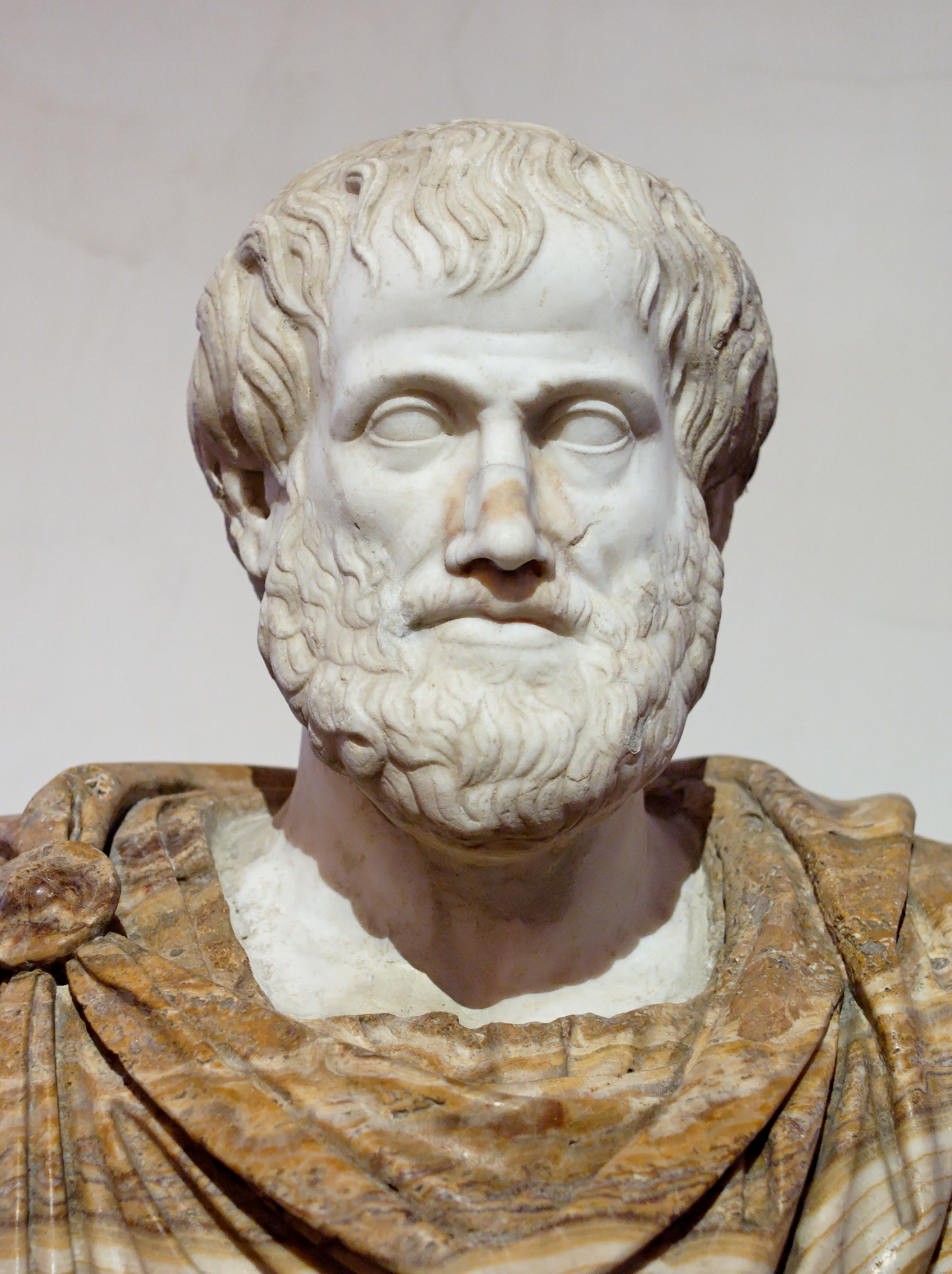
Epicurus

Photo: Public Domain via Wikimedia Commons
Epicurus, Ancient Greek Philosopher Who Taught That Happiness Comes from Simple Living
Epicurus was an ancient Greek philosopher who founded one of the most influential schools of philosophy in the Hellenistic world. His teachings focused on how people could live peaceful and happy lives by seeking simple pleasures, avoiding unnecessary desires, and freeing themselves from fear. Epicurus believed that happiness came from peace of mind and freedom from suffering, rather than wealth, power, or luxury.
Early Life
Epicurus was born in 341 BC on the island of Samos, a Greek settlement in the Aegean Sea. His parents were Greek colonists from Athens, and his father worked as a schoolteacher.
Epicurus grew up during a time of major political change following the conquests of Alexander the Great. The Greek world was becoming part of a much larger cultural and political landscape, and many people were searching for new ideas about how to live meaningful lives.
From a young age, Epicurus showed interest in philosophy and learning.
Education and Influences
Epicurus began studying philosophy as a teenager. One of the early questions that inspired him came from reading the works of the philosopher Hesiod, which made him curious about the origins of the universe.
He later studied the ideas of earlier philosophers, especially the teachings of Democritus, who proposed that everything in the universe is made of tiny particles called atoms.
This idea of atomic theory would strongly influence Epicurus’s philosophy.
Founding of His School
After traveling and teaching in several Greek cities, Epicurus eventually settled in Athens around 306 BC. There he founded his own philosophical school known as “The Garden.”
The Garden became famous because it welcomed people from different backgrounds, including women and slaves, which was unusual for philosophical schools at the time.
Epicurus and his followers lived together in a community where they studied philosophy and practiced the principles of simple living.
Philosophy of Pleasure
Epicurus taught that the goal of life was happiness, which he defined as a state of peace and freedom from pain. However, his idea of pleasure was very different from the common belief that pleasure meant luxury or constant enjoyment.
For Epicurus, the greatest pleasures came from simple things such as friendship, thoughtful conversation, and a calm life without fear.
He believed that people often suffer because they chase unnecessary desires like wealth, fame, or power.
Freedom from Fear
Another important part of Epicurus’s philosophy was his effort to remove the fears that troubled human life.
He argued that people should not fear the gods, because the gods did not interfere in human affairs. He also taught that people should not fear death, since death simply meant the end of sensation and therefore could not be experienced as suffering.
By removing these fears, Epicurus believed that people could live more peacefully.
Importance of Friendship
Epicurus considered friendship one of the most valuable parts of life. In his school, friendships were seen as essential for happiness and emotional stability.
He believed that close relationships provided security, support, and joy.
Because of this emphasis, the community in the Garden became known for its strong bonds among its members.
Writings
Epicurus wrote many books and letters explaining his philosophy, although most of his original writings have not survived.
Much of what is known about his ideas comes from later writers who preserved fragments of his work or described his teachings.
Among the surviving texts are letters and short summaries of his philosophical ideas, which helped later generations understand his approach to life and happiness.
Death and Legacy
Epicurus died in 270 BC in Athens after suffering from a long illness. Despite the pain he experienced near the end of his life, he reportedly remained calm and continued discussing philosophy with his friends.
His teachings continued to influence philosophers for centuries. The philosophical movement based on his ideas became known as Epicureanism.
Although the word “epicurean” later became associated with luxury and fine food, this meaning is actually very different from Epicurus’s original philosophy, which emphasized simplicity and moderation.
Today Epicurus is remembered as one of the major thinkers of ancient Greece. His ideas about happiness, fear, and the importance of simple living remain influential in discussions about philosophy and human well being.
Frequently Asked Questions About Epicurus
Who was Epicurus?
Epicurus was an ancient Greek philosopher who founded the philosophical school known as Epicureanism. His teachings focused on the pursuit of happiness through simple living, friendship, and freedom from fear and unnecessary desire.
When and where was Epicurus born?
Epicurus was born in 341 BC on the island of Samos in the Aegean Sea.
What did Epicurus teach about happiness?
Epicurus believed that true happiness comes from achieving peace of mind and avoiding pain. He taught that people should seek modest pleasures, cultivate friendships, and live a thoughtful life free from anxiety.
What philosophical school did Epicurus establish?
Epicurus founded a school in Athens known as The Garden, where students gathered to study philosophy and live according to Epicurean principles.
What did Epicurus believe about the gods?
Epicurus believed that the gods existed but did not interfere in human affairs. He taught that fear of divine punishment should not control people’s lives.
What did Epicurus teach about death?
Epicurus argued that death should not be feared because when a person dies, they no longer experience sensation. His philosophy emphasized removing fear of death as a path to peace of mind.
Did Epicurus write philosophical works?
Yes. Epicurus wrote many philosophical texts, though most of them survive only in fragments or through later writings by his followers.
When did Epicurus die?
Epicurus died in 270 BC in Athens.
What is Epicurus’s legacy?
Epicurus remains one of the most influential philosophers of the ancient world. His teachings about happiness, moderation, and freedom from fear continue to influence philosophical thought and discussions about the good life.
Discover more Historic Greek People








Browse Greece Articles


