


Euripides

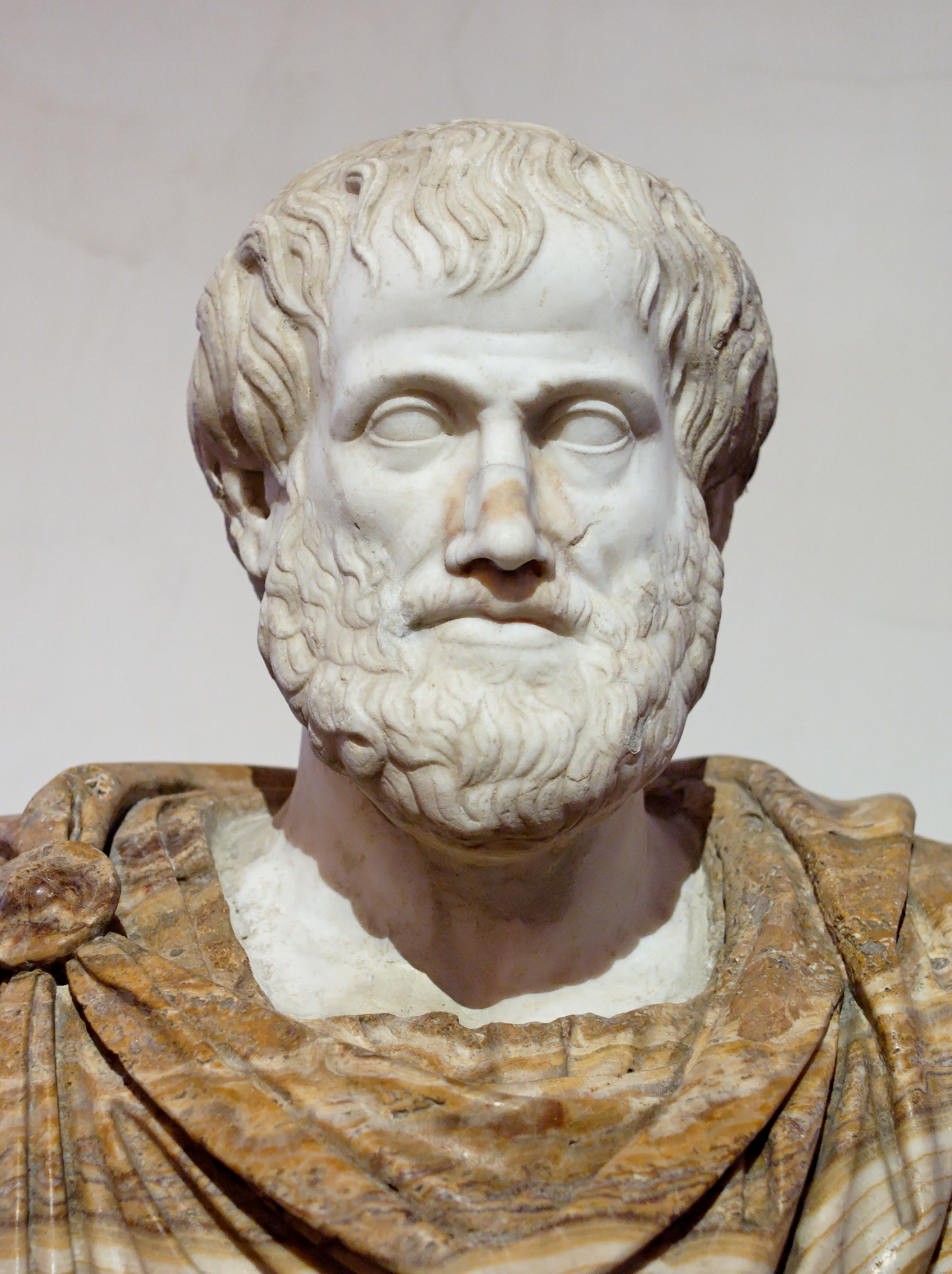
Photo: Public Domain via Wikimedia Commons
Euripides, Ancient Greek Tragedian and One of the Great Playwrights of Classical Athens
Euripides was one of the most important playwrights of ancient Greek tragedy and is considered one of the three great tragedians of classical Athens, alongside Aeschylus and Sophocles. His plays are known for their emotional depth, complex characters, and exploration of human psychology. Euripides often questioned traditional beliefs and portrayed mythological stories in ways that focused on the struggles and motivations of ordinary people.
Early Life
Euripides was born around 480 BC on the island of Salamis, near Athens, Greece. According to tradition, his birth occurred around the same time as the Battle of Salamis, one of the most important naval victories of the Greeks against the Persian Empire.
Although details about his early life are limited, ancient sources suggest that he received a good education and developed interests in literature, philosophy, and athletics.
Some accounts say he studied philosophy and was influenced by thinkers who questioned traditional ideas about religion and society.
Career as a Playwright
Euripides began writing plays in Athens, where theater was an important part of public life. Greek tragedies were performed during major festivals, especially the City Dionysia, a celebration honoring the god Dionysus.
His first recorded participation in the festival occurred around 455 BC.
Although Euripides was respected as a writer, he did not win as many dramatic competitions as some of his contemporaries. However, his plays became increasingly popular over time.
Themes and Style
Euripides was known for portraying characters with deep emotions and realistic personalities. Unlike earlier tragedians, who often focused on heroic figures and divine destiny, Euripides explored human motivations, moral dilemmas, and personal conflicts.
His plays often addressed topics such as justice, revenge, love, betrayal, and the consequences of war.
He also gave greater attention to characters who had been less prominent in earlier tragedies, including women, foreigners, and enslaved people.
Famous Plays
Many of Euripides’ plays have survived, making him the most widely preserved of the three great Greek tragedians. Among his most famous works are “Medea,” “Hippolytus,” “The Bacchae,” “Electra,” and “The Trojan Women.”
“Medea,” one of his best known tragedies, tells the story of a woman who takes revenge on her husband after he betrays her. The play is famous for its powerful emotional themes and its portrayal of a deeply complex character.
“The Bacchae,” written near the end of his life, explores the conflict between human authority and divine power through the story of the god Dionysus.
Relationship with Athenian Society
Euripides sometimes challenged traditional Greek beliefs in his plays. He questioned certain aspects of religion, criticized war, and explored the darker sides of human behavior.
Because of this, some Athenians saw his work as controversial. However, many others admired the way his plays explored important social and philosophical questions.
His work also reflected the political and cultural tensions of Athens during the Peloponnesian War.
Later Life
Later in his life, Euripides left Athens and moved to the court of King Archelaus of Macedon. This move allowed him to continue writing while living outside the political tensions of Athens.
He spent his final years in Macedonia, where he continued working on plays and literary projects.
Death and Legacy
Euripides died around 406 BC in Macedonia. Shortly after his death, his plays were widely performed and gained increasing recognition.
Over time, Euripides became one of the most influential playwrights in the history of theater. His focus on psychological realism and human emotion influenced later drama in both Europe and the wider world.
Today, Euripides is remembered as one of the greatest writers of ancient Greece. His tragedies continue to be studied, translated, and performed, demonstrating the lasting power of his storytelling and insight into human nature.
Frequently Asked Questions About Euripides
Who was Euripides?
Euripides was one of the three great tragedians of classical Greek theater. His plays explored human emotions, moral conflicts, and the struggles of individuals facing powerful forces such as fate, society, and the gods.
When and where was Euripides born?
Euripides was born around 480 BC on the island of Salamis in Greece, around the time of the Battle of Salamis during the Greco-Persian Wars.
What types of plays did Euripides write?
Euripides wrote tragic plays that often focused on psychological drama and complex human characters. His works frequently questioned traditional beliefs and portrayed mythological stories in more realistic and emotional ways.
What are some of Euripides’ most famous plays?
Some of his best known tragedies include Medea, The Bacchae, Hippolytus, and Electra. These plays remain among the most studied and performed works of ancient Greek theater.
How did Euripides differ from other Greek playwrights?
Unlike many earlier tragedians, Euripides often portrayed his characters as flawed and deeply human. He also gave strong and complex roles to women and outsiders, which made his plays distinctive in ancient Greek drama.
Where were Euripides’ plays performed?
His plays were performed in Athens during dramatic festivals such as the City Dionysia, one of the most important cultural events in ancient Greece.
Did Euripides win many dramatic competitions?
Although Euripides is now considered one of the greatest playwrights in history, he won fewer dramatic competitions than some of his contemporaries, including Sophocles and Aeschylus.
When did Euripides die?
Euripides died around 406 BC in Macedon after spending his final years outside Athens.
What is Euripides’ legacy?
Euripides is remembered as one of the most influential playwrights of ancient Greece. His focus on human psychology and emotional conflict helped shape the development of drama and theater for centuries.
Discover more Historic Greek People








Browse Greece Articles


