


Maria Callas
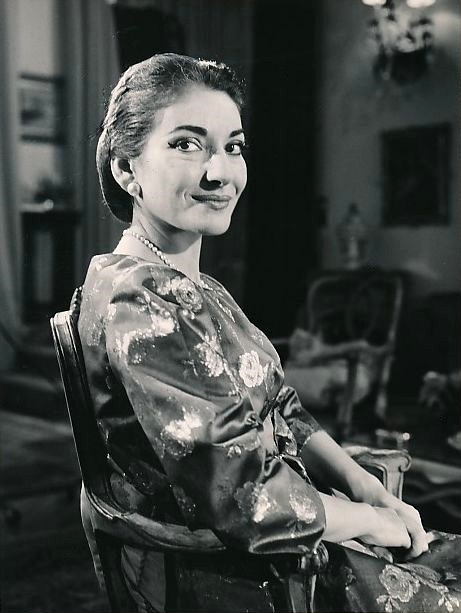
Photo: Public Domain via Wikimedia Commons
Maria Callas, Greek American Opera Singer and One of the Greatest Sopranos of the 20th Century
Maria Callas was one of the most influential opera singers of the twentieth century. Known for her powerful voice, emotional depth, and dramatic performances, she helped revive interest in classical opera and changed how singers approached their roles on stage. Her career brought opera to a wider international audience, and she remains one of the most recognizable figures in the history of music.
Early Life
Maria Callas was born Maria Anna Cecilia Sofia Kalogeropoulos on December 2, 1923, in New York City, United States. Her parents were Greek immigrants who had moved to America in search of better economic opportunities. Her father, George Kalogeropoulos, owned a pharmacy, while her mother, Evangelia Callas, encouraged her daughters to study music.
From an early age, Maria showed strong musical ability. She began voice training while still a child and quickly demonstrated an unusually powerful voice. Her mother recognized her potential and pushed her toward a professional career in music.
In 1937, when Maria was thirteen, her mother moved the family back to Athens, Greece after separating from her husband. In Athens, Callas continued her musical education at the Athens Conservatory, one of the country’s leading music schools. There she studied under the Spanish soprano Elvira de Hidalgo, who became an important mentor and helped shape Callas’s vocal technique.
Early Career
Callas made her first professional opera appearances in Greece during the early 1940s. Despite the difficult conditions of World War II, she performed in several productions at the Greek National Opera, gaining experience and developing her stage skills.
Her early roles included demanding parts in operas such as Tosca, Fidelio, and Cavalleria Rusticana. These performances demonstrated both the strength of her voice and her ability to portray complex characters.
After the war, Callas returned to the United States hoping to expand her career, but opportunities were limited at first. Her breakthrough would come a few years later in Europe.
Rise to International Fame
Callas’s international career began to take shape in Italy, where opera was a central part of cultural life. In 1947, she performed in La Gioconda at the Arena di Verona, one of Italy’s most famous opera venues. The performance attracted attention and opened the door to further roles.
During the late 1940s and early 1950s, Callas began performing at major opera houses across Europe. Her career reached new heights when she appeared at La Scala in Milan, one of the world’s most prestigious opera theaters.
Callas became famous for reviving difficult operas that had rarely been performed. She brought renewed attention to works by composers such as Bellini, Donizetti, and Rossini. Her ability to combine technical vocal skill with dramatic acting made her performances especially powerful.
Signature Roles and Artistic Style
Callas became closely associated with several major opera roles. Among her most famous performances were Norma, Tosca, Lucia di Lammermoor, and La Traviata.
Unlike many singers of her time, Callas approached opera as both a musical and dramatic art form. She carefully studied the characters she portrayed and brought emotional intensity to the stage. This approach helped make opera performances feel more realistic and engaging for audiences.
Her strong personality and demanding artistic standards sometimes led to conflicts with directors and opera companies. However, these same qualities also contributed to her reputation as a performer who insisted on excellence.
Personal Life
Maria Callas’s personal life often attracted as much attention as her career. In 1949, she married Giovanni Battista Meneghini, an Italian industrialist who became her manager and helped guide her professional career.
In the late 1950s, Callas began a relationship with the Greek shipping magnate Aristotle Onassis. Their relationship became widely discussed in the international press. In 1960, Callas and Meneghini divorced, and her connection with Onassis continued for several years.
The relationship eventually ended when Onassis married Jacqueline Kennedy, the widow of U.S. President John F. Kennedy, in 1968. The event received enormous global media attention.
Later Career
By the early 1960s, Callas’s singing career had begun to slow down. Some critics believed her voice had lost some of its earlier strength, while others pointed to the physical and emotional demands of her career.
Even so, she continued to perform in selected opera productions and concerts. In 1964 and 1965, she appeared in a series of performances of Tosca at the Royal Opera House in London, which were among her final major stage appearances.
Later in life she occasionally gave masterclasses, teaching young singers about opera performance and interpretation.
Death and Legacy
Maria Callas died on September 16, 1977, in Paris, France, at the age of 53. Her death shocked the music world and led to tributes from artists, critics, and opera fans across the globe.
Today, Callas is widely regarded as one of the greatest opera singers of all time. Her recordings remain popular, and her performances continue to influence generations of singers.
Her unique ability to combine vocal power, emotional depth, and dramatic storytelling changed opera performance and helped revive many classical works. Because of her lasting impact on music and culture, Maria Callas remains one of the most important figures in the history of opera.
Frequently Asked Questions About Maria Callas
Who was Maria Callas?
Maria Callas was one of the most famous opera singers of the 20th century. Known for her powerful voice and dramatic performances, she became a global icon of opera and was often called “La Divina.”
When and where was Maria Callas born?
Maria Callas was born on December 2, 1923, in New York City in the United States to Greek immigrant parents. She later moved to Athens, Greece, where she received much of her early musical training.
Where did Maria Callas study music?
Callas studied voice at the Athens Conservatoire under the guidance of Spanish soprano Elvira de Hidalgo, who helped develop her remarkable vocal range and technique.
What made Maria Callas famous?
Callas became famous for her unique combination of vocal power, emotional expression, and acting ability on stage. Her performances helped revive many classic operas and brought new attention to dramatic roles in opera.
What operas was Maria Callas known for?
Callas became especially known for her performances in operas such as Norma, Tosca, La Traviata, and Madama Butterfly. Her interpretations of these roles are still considered among the greatest in opera history.
Did Maria Callas perform internationally?
Yes. Maria Callas performed in major opera houses around the world, including La Scala in Milan and the Metropolitan Opera House in New York City.
Did Maria Callas have a relationship with Aristotle Onassis?
Yes. Maria Callas had a well known relationship with Greek shipping magnate Aristotle Onassis during the late 1950s and 1960s. Their relationship attracted significant international media attention.
When did Maria Callas die?
Maria Callas died on September 16, 1977, in Paris, France.
What is Maria Callas’s legacy?
Maria Callas is remembered as one of the greatest opera singers of all time. Her artistry, stage presence, and recordings continue to influence opera performers and audiences around the world.
Discover more Historic Greek People







Browse Greece Articles


