


Ioannis Metaxas
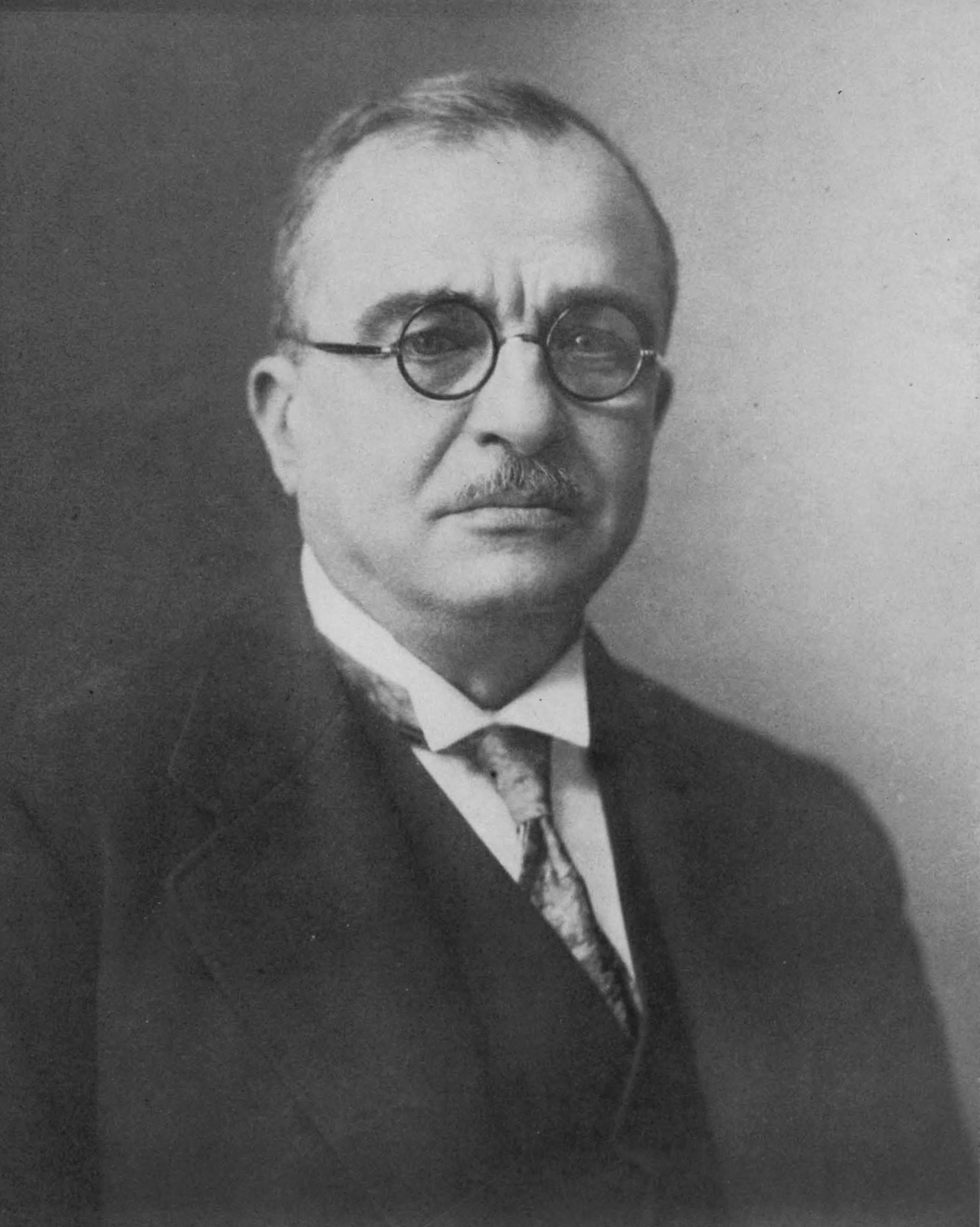
Photo: Public Domain via Wikimedia Commons
Ioannis Metaxas, Greek General, Authoritarian Leader, and Prime Minister During the Early Years of World War II
Ioannis Metaxas was a Greek military officer, politician, and prime minister who ruled Greece from 1936 to 1941. He is best known for establishing an authoritarian government known as the 4th of August Regime and for rejecting an Italian ultimatum in 1940, an event that led Greece into World War II. His refusal became known as the historic “Ohi” (No) that symbolized Greek resistance against fascist aggression.
Early Life
Ioannis Metaxas was born on April 12, 1871, in Ithaca, a Greek island in the Ionian Sea. His family had a long tradition of military service and public involvement in Greek affairs.
From a young age he showed strong interest in military studies and discipline. After finishing his early education, he entered the Hellenic Military Academy in Athens, where he trained as an army officer.
Metaxas graduated as an engineer officer and soon became known for his intelligence and organizational abilities.
Military Education in Germany
Early in his career, Metaxas continued his military education in Germany, where he studied at the Prussian War Academy in Berlin. The German military system at the time was considered one of the most advanced in Europe.
During his years in Germany he developed strong respect for military discipline and centralized authority. These ideas later influenced his political views about government and leadership.
Military Career
Metaxas participated in several important conflicts during the early twentieth century. He served in the Greco-Turkish War of 1897 and later played an important role during the Balkan Wars of 1912–1913, when Greece expanded its territory in northern regions such as Macedonia and Epirus.
Because of his strategic abilities, Metaxas rose steadily through the ranks of the Greek army and eventually became one of the most respected officers in the country.
Political Involvement
During the early twentieth century, Greek politics were deeply divided over the country’s direction during World War I. This conflict became known as the National Schism.
Metaxas supported King Constantine I, who favored neutrality and had close ties to Germany. On the other side was Eleftherios Venizelos, the prime minister who supported joining the Allied powers.
Because of his loyalty to the king, Metaxas opposed Venizelos’s policies and eventually left the military to become involved in politics.
Rise to Power
After several years of political instability in Greece during the 1930s, Metaxas was appointed prime minister in 1936 by King George II.
Soon after taking office, Metaxas suspended parliament and established an authoritarian government on August 4, 1936. This system became known as the 4th of August Regime.
The government abolished political parties, restricted press freedom, and arrested many political opponents, particularly members of communist and left wing groups.
Metaxas promoted nationalism, discipline, and loyalty to the state. His government also created youth organizations and promoted traditional Greek values.
Domestic Policies
Despite its authoritarian nature, the Metaxas government introduced several social and economic reforms. These included labor protections, improved working conditions, and the establishment of social insurance programs.
The government also invested in public infrastructure and military modernization as tensions were rising across Europe before the outbreak of World War II.
The “Ohi” of 1940
The most famous moment of Metaxas’s leadership occurred on October 28, 1940. Italy, led by Benito Mussolini, demanded that Greece allow Italian forces to occupy strategic locations within the country.
Metaxas rejected the ultimatum. His response, remembered as “Ohi”, meaning “No” in Greek, led to the Greco-Italian War.
Greek forces successfully resisted the Italian invasion and even pushed Italian troops back into Albania, marking one of the first Allied victories of World War II.
The date of this event is now celebrated each year in Greece as Ohi Day, a major national holiday.
Death
Ioannis Metaxas died on January 29, 1941, in Athens, only a few months after the beginning of the war with Italy. The official cause of death was an infection following throat surgery.
His death occurred shortly before Nazi Germany invaded Greece in April 1941, which led to the occupation of the country during World War II.
Legacy
Ioannis Metaxas remains a controversial figure in Greek history. On one hand, he is remembered for establishing an authoritarian regime that restricted political freedoms.
On the other hand, his refusal of the Italian ultimatum in 1940 is widely viewed as a defining moment of national resistance.
Because of this complex legacy, Metaxas is remembered both as a dictator and as the leader who guided Greece during the opening stage of its resistance in World War II.
Frequently Asked Questions About Ioannis Metaxas
Who was Ioannis Metaxas?
Ioannis Metaxas was a Greek military officer and politician who served as Prime Minister of Greece from 1936 to 1941. He established an authoritarian regime known as the 4th of August Regime.
When and where was Ioannis Metaxas born?
Ioannis Metaxas was born on April 12, 1871, on the island of Ithaca in Greece.
How did Metaxas come to power?
Metaxas was appointed Prime Minister in 1936 during a period of political instability. With the support of George II of Greece, he suspended parliament and established an authoritarian government.
What was the 4th of August Regime?
The 4th of August Regime was the authoritarian government established by Metaxas in 1936. The regime restricted political freedoms, banned political parties, and promoted a strong nationalist ideology.
What role did Metaxas play during World War II?
Metaxas led Greece during the early stages of World War II and is remembered for rejecting an ultimatum from Benito Mussolini that demanded Greece allow Italian forces to occupy strategic locations.
What is “Ohi Day” and how is Metaxas connected to it?
Metaxas’s refusal of the Italian ultimatum on October 28, 1940 is remembered as Ohi Day in Greece. The word “Ohi,” meaning “No,” symbolizes Greece’s decision to resist the Italian invasion.
Did Greece fight Italy after the ultimatum?
Yes. After Greece rejected the ultimatum, Italian forces invaded from Albania, beginning the Greco-Italian War. Greek forces successfully pushed the Italian army back into Albanian territory.
When did Ioannis Metaxas die?
Ioannis Metaxas died on January 29, 1941, in Athens, Greece.
What is Ioannis Metaxas’s legacy?
Metaxas remains a controversial figure in Greek history. He is remembered both for establishing an authoritarian regime and for leading Greece during the beginning of World War II and the resistance against the Italian invasion.
Discover more Historic Greek People





Browse Greece Articles


