


Laskarina Bouboulina
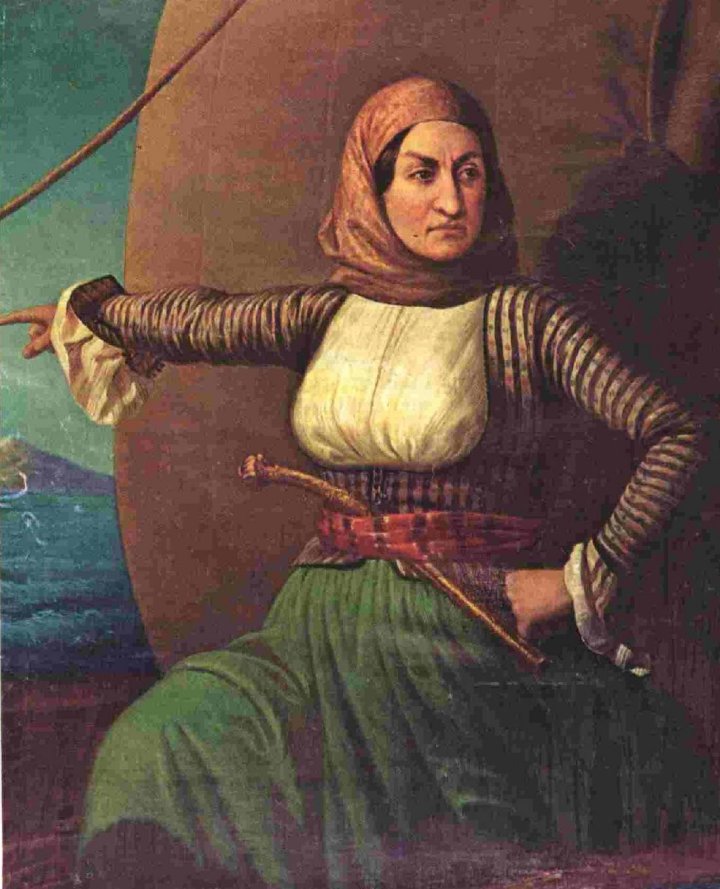
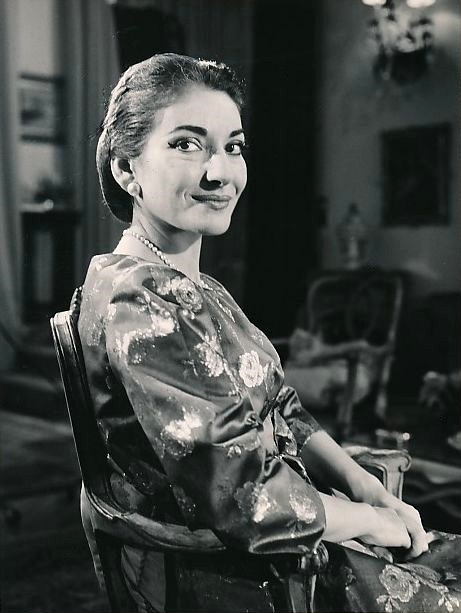
Photo: Public Domain via Wikimedia Commons
Laskarina Bouboulina, Greek Naval Commander and Heroine of the Greek War of Independence
Laskarina Bouboulina was one of the most remarkable figures of the Greek War of Independence and is remembered as one of the few female naval commanders in modern history. She used her wealth, ships, and influence to support the Greek struggle against the Ottoman Empire in the early nineteenth century. Her leadership and courage made her a legendary figure in Greek history.
Early Life
Laskarina Bouboulina was born Laskarina Pinotsi on May 11, 1771, in Constantinople (modern day Istanbul). Her birth took place while her mother was visiting her father, who had been imprisoned there because of his involvement in earlier Greek uprisings against Ottoman rule.
After her father died, her mother returned with the young Laskarina to the island of Spetses, an important Greek maritime center in the Aegean Sea. Spetses had a strong tradition of shipping and trade, and Bouboulina grew up in a society closely connected to the sea.
Marriage and Wealth
Bouboulina was married twice during her life, both times to wealthy ship owners from Spetses. Her first husband, Dimitrios Giannouzas, was killed during a conflict with Algerian pirates. Later she married Dimitrios Bouboulis, another ship captain and trader.
When her second husband died in battle against pirates, Bouboulina inherited his ships and wealth. This inheritance gave her control of a large shipping business and allowed her to expand her fleet.
She became one of the richest and most powerful individuals on Spetses. Unlike most women of the time, she managed her own commercial operations and supervised shipbuilding.
Preparation for the Greek Uprising
In the years before the Greek War of Independence, many Greek merchants and ship owners secretly supported revolutionary groups that were planning a revolt against Ottoman rule.
Bouboulina joined the Filiki Eteria, a secret organization dedicated to preparing the uprising. She used her resources to help finance revolutionary activities and began preparing ships for future military use.
One of her most famous achievements was the construction of a large warship named Agamemnon, which became one of the most powerful ships used by Greek forces during the war.
Role in the Greek War of Independence
When the Greek War of Independence began in 1821, Bouboulina quickly placed her ships and crews at the service of the revolutionary cause. She commanded a fleet of vessels and participated in naval operations against Ottoman forces.
She took part in the naval blockade of Nafplio, an important Ottoman stronghold in the Peloponnese. Her fleet helped prevent Ottoman reinforcements from reaching the city, contributing to its eventual capture by Greek forces.
Bouboulina also supported the siege of Monemvasia, another key fortress controlled by the Ottomans.
Her leadership during these campaigns made her one of the most respected figures among the revolutionary fighters.
Political Influence
As the war continued, Bouboulina became closely connected to several leading figures of the Greek revolution. Her family formed alliances with other powerful revolutionary families.
One of her daughters married Panos Kolokotronis, the son of the famous Greek general Theodoros Kolokotronis. This marriage strengthened her ties to the revolutionary leadership.
However, political rivalries among Greek factions eventually caused tension. During the internal conflicts that emerged among Greek leaders, Bouboulina lost some of her influence and property.
Later Life
After political disagreements within the revolutionary movement, Bouboulina returned to her home island of Spetses. Although she had played a major role in the early stages of the war, she was no longer directly involved in military operations.
Despite this, her reputation as a hero of the independence struggle remained strong among many Greeks.
Death
Laskarina Bouboulina died in 1825 during a family dispute on the island of Spetses. She was shot and killed during an argument between families connected by marriage.
Her death was sudden and unrelated to the ongoing war.
Legacy
Laskarina Bouboulina is remembered as one of the most important female figures in Greek history. Her role in financing and leading naval forces during the Greek War of Independence made her a symbol of courage and patriotism.
She is also notable for breaking social expectations of her time by commanding ships and participating directly in military operations.
Today her name appears in Greek history books, monuments, and cultural works. Her home in Spetses has been preserved as a museum dedicated to her life and contributions to the struggle for Greek independence.
Bouboulina remains a powerful symbol of determination and leadership in the fight for freedom.
Frequently Asked Questions About Laskarina Bouboulina
Who was Laskarina Bouboulina?
Laskarina Bouboulina was a Greek naval commander and national heroine who played a major role in the Greek War of Independence against the Ottoman Empire in the early 19th century. She is widely remembered as one of the most prominent female figures in the Greek struggle for independence.
When and where was Laskarina Bouboulina born?
Laskarina Bouboulina was born in 1771 in Constantinople. Her father had been imprisoned there by Ottoman authorities, and she was born while her mother was visiting him. She later grew up on the island of Spetses in Greece.
Why is Laskarina Bouboulina famous?
Bouboulina is famous for using her wealth and ships to support the Greek uprising against Ottoman rule. She organized naval forces, financed revolutionary activities, and personally participated in military campaigns during the early years of the revolution.
What ship did Laskarina Bouboulina command?
Her most famous ship was the Agamemnon, a large warship that became one of the most powerful vessels used by Greek revolutionary forces. The ship was built with her personal funding and played a role in several naval operations.
Did Laskarina Bouboulina fight in the Greek War of Independence?
Yes. Bouboulina joined the revolution in 1821 and supported Greek forces by providing ships, supplies, and leadership. She helped coordinate naval attacks and supported the revolutionary movement both financially and militarily.
What battles or campaigns did she support?
Bouboulina and her fleet assisted Greek forces during important campaigns, including the sieges of Nafplio and Monemvasia. These victories helped revolutionaries secure strategic ports in the Peloponnese.
Was Laskarina Bouboulina recognized for her leadership?
Yes. Bouboulina became one of the most respected figures among the Greek revolutionaries. She is often described as the first woman to command naval forces during the Greek independence movement.
How did Laskarina Bouboulina die?
Bouboulina died in 1825 on the island of Spetses. She was shot during a family dispute between local families, an unexpected end for someone who had survived the dangers of war.
What is Laskarina Bouboulina’s legacy?
Laskarina Bouboulina remains one of the most celebrated heroes of the Greek independence movement. Her bravery, leadership, and financial support of the revolution made her a lasting symbol of courage and patriotism in Greek history.
Discover more Historic Greek People







Browse Greece Articles


