


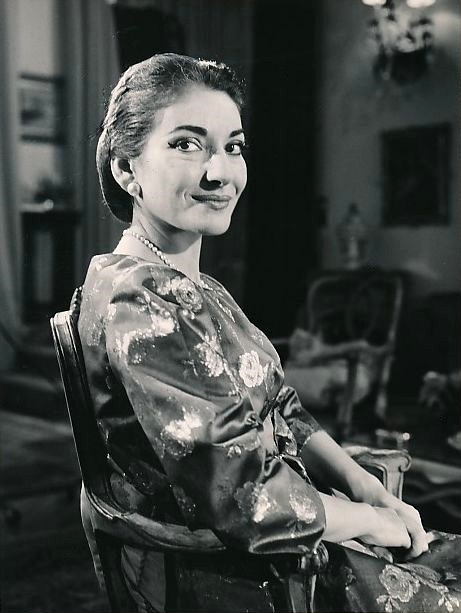
Melina Mercouri

Photo by Joop van Bilsen / Anefo / CC BY-SA 3.0
Melina Mercouri, Greek Actress, Singer, and Political Leader Who Championed Greek Culture
Melina Mercouri was a famous Greek actress, singer, and political activist who later became an important figure in Greek public life. She gained international recognition through film and theater during the 1950s and 1960s and later became a leading voice in the fight for democracy in Greece. After the fall of the military dictatorship, she served as Greece’s Minister of Culture, where she promoted Greek heritage and led the international campaign to return the Parthenon Marbles to Greece.
Early Life
Melina Mercouri was born Maria Amalia Mercouri on October 18, 1920, in Athens, Greece. She came from a prominent political family. Her grandfather, Spyridon Mercouris, had served as mayor of Athens for many years, and her father, Stamatis Mercouris, was also active in Greek politics.
Growing up in this environment exposed her early to political discussions and public life. However, Mercouri was also strongly drawn to the arts.
At the age of 18, she enrolled at the National Theatre of Greece Drama School, where she began formal training in acting.
Early Acting Career
Mercouri began her career in the Greek theater, performing in stage productions during the 1940s. Her strong personality, expressive voice, and dramatic presence quickly attracted attention.
By the early 1950s, she started appearing in Greek films. Her performances combined charisma, emotional depth, and a distinctive style that made her stand out among actresses of the time.
Her growing reputation helped her move beyond Greece and begin working in international productions.
International Film Success
Mercouri achieved international fame with the 1960 film “Never on Sunday.” In the movie she played Ilya, a lively and independent woman living in the port city of Piraeus.
Her performance received widespread praise and earned her the Best Actress Award at the Cannes Film Festival. She was also nominated for an Academy Award for Best Actress, bringing global attention to her work.
The film’s theme song, “Ta Paidia tou Peiraia” (The Children of Piraeus), composed by Manos Hadjidakis, became one of the most famous Greek songs ever recorded.
Following this success, Mercouri continued acting in international films and stage productions. She appeared in movies such as “Phaedra” (1962) and “Topkapi” (1964), working with well known actors and directors.
Political Activism
Mercouri’s life changed dramatically in 1967, when a military group seized power in Greece and established the Greek military junta. Strongly opposed to the dictatorship, Mercouri used her international fame to speak out against the regime.
Because of her political activism, the military government stripped her of her Greek citizenship and confiscated her property in Greece. In response, Mercouri famously declared:
“I was born Greek, and I will die Greek.”
During the years of dictatorship, she traveled throughout Europe and the United States giving speeches and raising awareness about the situation in Greece.
Return to Greece and Political Career
When democracy was restored in Greece in 1974, Mercouri returned to Athens and entered politics. She joined the Panhellenic Socialist Movement (PASOK) led by Andreas Papandreou.
In 1981, she was appointed Minister of Culture, becoming the first woman to hold that position in Greece. She served in this role for many years and focused on strengthening Greece’s cultural presence both at home and internationally.
Cultural Initiatives
As Minister of Culture, Mercouri launched several important cultural programs. One of her most famous initiatives was the creation of the European Capital of Culture program in 1985, which encourages European cities to celebrate cultural heritage through festivals and artistic events.
Athens was chosen as the first city to hold the title.
Mercouri also led the international campaign to return the Parthenon Marbles, which had been removed from the Parthenon in Athens during the nineteenth century and are currently housed in the British Museum in London. Her campaign brought worldwide attention to the issue and continues to influence discussions about the sculptures today.
Later Life
Mercouri remained active in politics and cultural leadership throughout the 1980s and early 1990s. Even as her health declined, she continued working to promote Greek culture and protect historical monuments.
Her passion for Greece’s history and identity made her one of the most recognizable political figures in the country.
Death and Legacy
Melina Mercouri died on March 6, 1994, in New York City, at the age of 73.
Her funeral in Athens was attended by thousands of people, reflecting the deep admiration many Greeks felt for her contributions to both culture and democracy.
Today Mercouri is remembered as a unique figure who successfully combined art, culture, and political activism. Her work as an actress brought Greek culture to international audiences, while her political career helped strengthen cultural preservation and awareness.
She remains one of the most influential cultural leaders in modern Greek history.
Frequently Asked Questions About Melina Mercouri
Who was Melina Mercouri?
Melina Mercouri was a Greek actress, singer, and political figure who became one of the most internationally recognized cultural figures from Greece. She gained fame through film and later became an influential political leader and advocate for Greek culture.
When and where was Melina Mercouri born?
Melina Mercouri was born on October 18, 1920, in Athens, Greece, into a prominent political family.
How did Melina Mercouri become famous?
Mercouri became internationally known for her acting career in film and theater. Her role in the movie Never on Sunday brought her worldwide recognition and earned her the Best Actress award at the Cannes Film Festival.
Did Melina Mercouri have a career in politics?
Yes. After the fall of the Greek military junta of 1967–1974, Mercouri entered politics and served as Greece’s Minister of Culture. She played a major role in promoting Greek arts and heritage.
What cultural initiatives did Melina Mercouri support?
As Minister of Culture, Mercouri promoted cultural programs and helped establish the European Capital of Culture initiative, which highlights cities across Europe for their cultural contributions.
Why is Melina Mercouri associated with the Parthenon Marbles debate?
Mercouri strongly campaigned for the return of the Parthenon Marbles from the British Museum in London to Greece. Her advocacy brought international attention to the issue.
Did Melina Mercouri work internationally?
Yes. Mercouri appeared in films and stage productions across Europe and the United States, becoming one of the most recognizable Greek performers of her time.
When did Melina Mercouri die?
Melina Mercouri died on March 6, 1994, in New York City.
What is Melina Mercouri’s legacy?
Melina Mercouri is remembered as both a major figure in Greek cinema and a passionate defender of Greek culture. Her efforts in politics and the arts helped strengthen Greece’s cultural presence around the world.
Discover more Historic Greek People







Browse Greece Articles


