


Plato

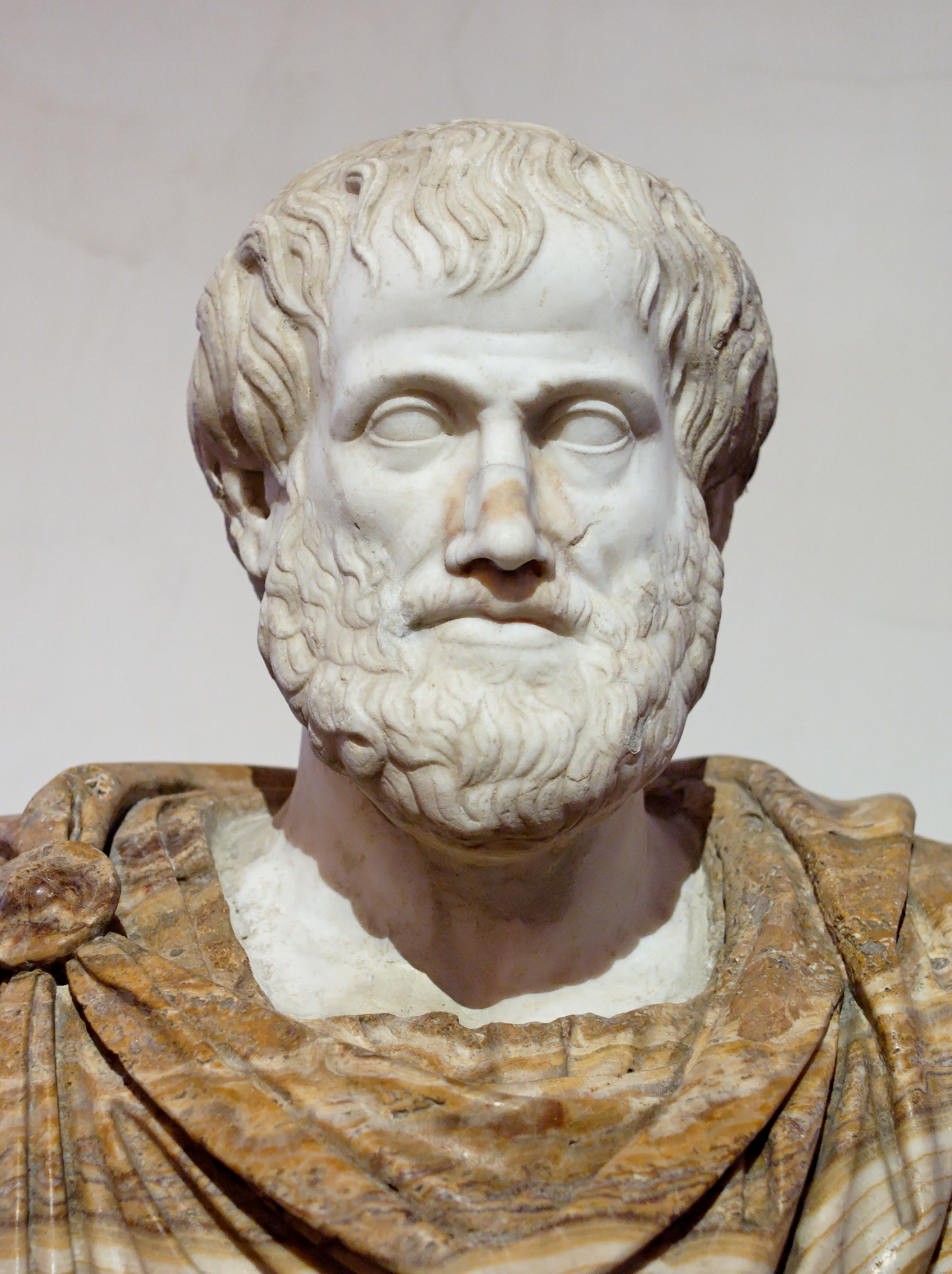
Photo: Public Domain via Wikimedia Commons
Plato, Ancient Greek Philosopher and Founder of the Academy in Athens
Plato was one of the most important philosophers of ancient Greece and a central figure in the development of Western philosophy. He was a student of Socrates and the teacher of Aristotle, two of the most influential thinkers in history. Through his writings and teachings, Plato explored questions about knowledge, justice, politics, and the nature of reality. His work shaped philosophy for centuries and continues to influence modern thought.
Early Life
Plato was born around 427 BC in Athens, Greece, into a wealthy and politically influential family. His birth name is believed to have been Aristocles, while the name “Plato” may have been a nickname referring to his broad shoulders or strong physique.
His family had close connections to Athenian politics, and as a young man Plato likely received an excellent education in poetry, music, mathematics, and physical training. At first he may have planned to pursue a career in public life.
However, his direction changed after he met the philosopher Socrates, whose ideas and teaching style deeply influenced him.
Student of Socrates
Plato became one of Socrates’s most devoted students. Socrates did not write down his ideas but taught through discussion and questioning. Plato spent many years learning from him and participating in philosophical conversations.
In 399 BC, Socrates was put on trial in Athens and sentenced to death. He was accused of corrupting the youth and disrespecting the traditional gods of the city.
The execution of Socrates had a profound effect on Plato. Disappointed by the political system that allowed the philosopher to be condemned, Plato began focusing more intensely on philosophy and the search for truth.
Travels and Study
After Socrates’s death, Plato left Athens and spent several years traveling. Ancient sources suggest he visited places such as Egypt, Italy, and possibly Sicily, where he encountered other philosophical traditions.
During these travels, Plato studied mathematics, science, and different political systems. These experiences helped shape his ideas about knowledge and government.
Eventually he returned to Athens and began teaching philosophy.
Founding of the Academy
Around 387 BC, Plato founded a school in Athens known as the Academy. It was located in a grove dedicated to the hero Akademos, from which the school took its name.
The Academy became one of the first organized institutions of higher learning in the Western world. Students studied philosophy, mathematics, astronomy, politics, and other subjects.
The school remained active for several centuries and attracted many important thinkers. One of its most famous students was Aristotle, who studied there for about twenty years.
Plato’s Philosophy
Plato explored many philosophical topics, but one of his most famous ideas is the Theory of Forms. According to this theory, the physical world we see around us is only an imperfect reflection of a higher, more perfect reality.
Plato believed that true knowledge comes from understanding these perfect forms, such as the forms of justice, beauty, and truth.
He also wrote extensively about politics and the ideal structure of government. In his famous work The Republic, Plato described a vision of a just society ruled by philosopher kings, leaders who govern based on wisdom and knowledge rather than power or wealth.
Plato’s Writings
Unlike Socrates, Plato wrote many philosophical works. Most of his writings take the form of dialogues, where characters discuss philosophical questions through conversation.
In many of these dialogues, Socrates appears as the main speaker, presenting ideas and asking questions.
Some of Plato’s most well known works include The Republic, The Symposium, Phaedo, Apology, and Timaeus. These texts explore subjects such as justice, love, the soul, knowledge, and the nature of the universe.
Because of the clarity and depth of these works, Plato became one of the most widely studied philosophers in history.
Later Life
Plato continued teaching and writing at the Academy for the rest of his life. During this period he also traveled again to Sicily, where he attempted to influence the political leadership of the city of Syracuse.
He hoped to apply his philosophical ideas about government to real political situations, but these efforts were not successful.
Despite these setbacks, Plato remained dedicated to philosophy and education.
Death and Legacy
Plato died around 347 BC in Athens, at approximately 80 years of age.
His influence on philosophy has been enormous. Through his writings and the work of his students, Plato helped establish many of the central questions of Western philosophy.
His ideas shaped later thinkers throughout ancient Greece, the Roman world, and the Middle Ages. Philosophers, scientists, and political thinkers have continued to study his work for more than two thousand years.
Today Plato is remembered as one of the greatest philosophers in history and a key figure in the intellectual tradition that began in ancient Greece.
Frequently Asked Questions About Plato
Who was Plato?
Plato was one of the most influential philosophers of ancient Greece. He was a student of Socrates and the teacher of Aristotle, forming one of the most important intellectual lineages in Western philosophy.
When and where was Plato born?
Plato was born around 428 BC in Athens, Greece, into an aristocratic family with strong political connections.
What philosophical school did Plato found?
Plato founded the Platonic Academy in Athens, one of the earliest institutions of higher learning in the Western world.
What are Plato’s most famous works?
Plato wrote many philosophical dialogues, including The Republic, The Symposium, and Phaedo. These works explored subjects such as justice, knowledge, politics, love, and the nature of reality.
What is Plato’s theory of forms?
Plato proposed the philosophical idea known as the Theory of Forms, which suggests that the physical world is only a reflection of a higher realm of perfect and eternal forms or ideas.
How did Socrates influence Plato?
Plato was deeply influenced by his teacher Socrates. Many of Plato’s writings present philosophical discussions in which Socrates appears as the main speaker.
What did Plato believe about government?
In The Republic, Plato described an ideal society governed by philosopher-kings. He believed that rulers should be individuals trained in philosophy and wisdom.
When did Plato die?
Plato died around 348 BC in Athens.
What is Plato’s legacy?
Plato is considered one of the most important philosophers in history. His ideas about philosophy, politics, knowledge, and education shaped Western thought for more than two thousand years.
Discover more Historic Greek People







Browse Greece Articles


