


Socrates

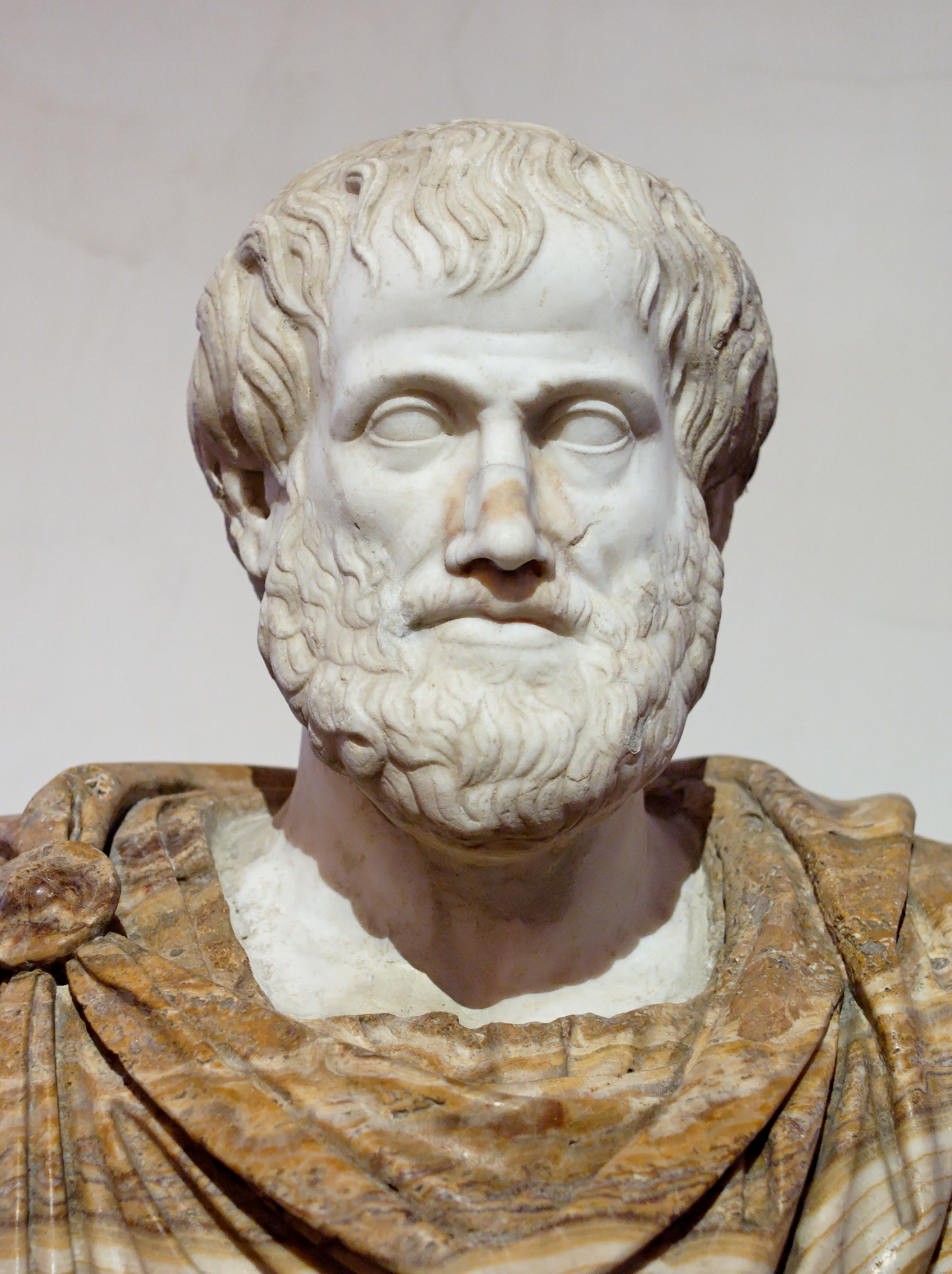
Photo: Public Domain via Wikimedia Commons
Socrates, Ancient Greek Philosopher and Founding Figure of Western Philosophy
Socrates was one of the most influential philosophers in ancient Greek history and is widely regarded as one of the founders of Western philosophy. Living in Athens during the fifth century BC, he became known for his method of questioning and discussion that encouraged people to examine their beliefs and seek deeper understanding. Although he wrote no books himself, his ideas were preserved through the works of his students, especially the philosopher Plato.
Early Life
Socrates was born around 470 BC in Athens, the major cultural and political center of ancient Greece. His father, Sophroniscus, was a stone mason or sculptor, while his mother, Phaenarete, worked as a midwife.
Little is known about Socrates’s early life, but he likely received the standard education available to Athenian citizens, including training in music, poetry, and physical exercise. Unlike many philosophers of his time, Socrates did not establish a formal school or charge money for teaching.
Military Service
Before becoming widely known as a philosopher, Socrates served as a soldier in the Athenian army. Historical sources indicate that he fought bravely in several battles during the Peloponnesian War, including campaigns at Potidaea, Delium, and Amphipolis.
Accounts from fellow soldiers describe him as calm under pressure and physically resilient. His courage in battle contributed to his reputation among the citizens of Athens.
The Socratic Method
Socrates became famous for the way he taught through conversation rather than lectures. He spent much of his time speaking with people in public places such as marketplaces, asking them questions about topics like justice, virtue, knowledge, and morality.
This approach later became known as the Socratic Method. Instead of simply giving answers, Socrates asked a series of questions that forced his conversation partners to think carefully about their beliefs.
Often, these discussions revealed contradictions in commonly accepted ideas. Socrates believed that recognizing one’s own ignorance was the first step toward gaining true knowledge.
Philosophy and Beliefs
Socrates believed that the most important task in life was to seek truth and live a moral life. He argued that virtue and knowledge were closely connected, meaning that people who truly understood what was right would naturally act in a good and ethical way.
He also believed that people should constantly examine their own lives and values. One of his most famous statements, recorded by Plato, is:
“The unexamined life is not worth living.”
Socrates placed great importance on self knowledge, honesty, and intellectual humility.
Conflict with Athenian Society
Although many young Athenians admired Socrates, his method of questioning powerful figures and traditional beliefs made him controversial. Some citizens believed he encouraged young people to challenge authority and reject established customs.
Athens had recently experienced political instability and war, which made many leaders suspicious of individuals who openly questioned society.
In 399 BC, Socrates was brought to trial on two main charges: corrupting the youth of Athens and not respecting the traditional gods of the city.
Trial and Execution
During his trial, Socrates defended himself by explaining that he was simply encouraging people to think critically and pursue truth. However, the jury found him guilty.
According to Athenian law, Socrates had the opportunity to propose an alternative punishment. Instead, he maintained his philosophical principles and refused to suggest a punishment he believed was unjust.
The court sentenced him to death.
Socrates died by drinking a cup of hemlock, a poisonous plant, as required by the law. His death became one of the most famous events in the history of philosophy.
Legacy
Although Socrates left no written works, his influence on philosophy has been enormous. His student Plato recorded many of their conversations in philosophical dialogues, which preserved Socrates’s ideas for future generations.
Through Plato and later philosophers such as Aristotle, Socrates’s method of questioning and critical thinking became central to Western philosophical tradition.
Today, Socrates is remembered as a symbol of intellectual courage and dedication to truth. His willingness to challenge accepted ideas and remain loyal to his beliefs, even in the face of death, has made him one of the most respected figures in the history of philosophy.
Frequently Asked Questions About Socrates
Who was Socrates?
Socrates was a classical Greek philosopher who is considered one of the founders of Western philosophy. He is known for his method of questioning, which encouraged people to examine their beliefs and think critically about truth, justice, and knowledge.
When and where was Socrates born?
Socrates was born around 470 BC in Athens, one of the most powerful city-states of ancient Greece. He spent most of his life there, engaging in public discussions with citizens, politicians, and students.
What is the Socratic Method?
The Socratic Method is a form of teaching that uses questions to challenge assumptions and encourage deeper thinking. Instead of giving answers directly, Socrates asked a series of questions that helped people discover contradictions in their own ideas and move closer to the truth.
Did Socrates write any books?
No. Socrates did not leave behind written works. Most of what we know about him comes from the writings of his students, especially Plato and the historian Xenophon.
What did Socrates teach about knowledge and wisdom?
Socrates believed that true wisdom comes from recognizing one’s own ignorance. His famous idea, often summarized as “I know that I know nothing,” reflects his belief that questioning and learning are essential parts of gaining wisdom.
Why was Socrates put on trial?
In 399 BC, Socrates was put on trial in Athens. He was accused of corrupting the youth and not respecting the traditional gods of the city.
How did Socrates die?
Socrates was found guilty during his trial and sentenced to death. He died by drinking poison made from the plant Hemlock.
What was Socrates’ influence on philosophy?
Socrates deeply influenced his students, especially Plato, who later taught Aristotle. Through these philosophers, Socrates’ ideas became the foundation of much of Western philosophical thought.
What is Socrates’ legacy?
Socrates is remembered as one of the most important thinkers in history. His focus on questioning, ethical living, and the search for truth continues to influence philosophy, education, and critical thinking today.
Discover more Historic Greek People







Browse Greece Articles


