


Hydra

A car-free sanctuary of grand stone mansions and dramatic coastal cliffs, where aristocratic history meets the artistic soul of the Aegean.
Intro
Hydra is an island defined by its verticality, its stillness, and a total absence of motorized transport. The town is built like a stone amphitheater around a deep harbor, where grand captain’s mansions reflect a wealthy naval past and a strict preservation of architectural heritage. Life moves at the pace of the donkeys that navigate the steep, winding alleys, and the island’s rugged, rocky coastline offers dramatic swimming spots directly off the cliffs. Hydra feels timeless and exclusive, appealing to those who seek an aesthetic purity and a quiet, pedestrian-focused environment that has remained unchanged for decades.
Who It’s Best For
Hydra is the premier choice for travelers seeking refined tranquility and old-world elegance. Because the island is entirely vehicle-free, it appeals to peace-seekers and hikers who want to escape the noise of the modern world in favor of cobblestone alleys and the rhythmic sound of donkey hooves. It is a sophisticated haven for artists, couples, and luxury travelers who appreciate boutique stone mansions, high-end galleries, and deep-water swimming off sun-drenched rocky ledges rather than typical sandy beach resorts.
Who It’s Best For: A Quick Breakdown
Traveler Type | Why They’ll Love Hydra |
Artists & Creatives | Long known as a muse for Leonard Cohen and Henry Miller; home to world-class galleries. |
Couples | Extremely romantic, vehicle-free streets and sunset views from the "Sunset" or "Spilia" bars. |
Hikers | Features an extensive network of ancient stone paths leading to remote monasteries. |
Luxury Seekers | Offers high-end boutique hotels converted from historic 18th-century sea captains' mansions. |
Slow Travelers | The lack of cars forces a slower pace of life that is increasingly rare in the Mediterranean. |
Things to Know
The most important rule to remember is that Hydra is a strictly vehicle-free island. This means there are no cars, no scooters, and no bicycles allowed in the marble-paved town. All transport is done on foot, by donkey, or via water taxi. If you are staying in a hotel high up on the hills, it is worth the few extra Euros to hire a luggage mule at the port so you do not have to haul suitcases up hundreds of stone steps. While the main harbor is the hub of the island, it can become incredibly crowded when the day-trip cruise ships dock in the afternoon. To find the true charm of the island, plan to stay overnight or head toward the smaller coastal settlements of Kamini and Vlychos. Also, keep in mind that Hydra does not have long stretches of sandy beaches. Most swimming spots consist of rocky platforms or pebble coves where you jump directly into deep, clear water. If you require sand and shallow entries, you might find this island more challenging than its neighbors. Finally, be prepared for slightly higher prices for dining and drinks, as almost all supplies must be shipped in by boat from the mainland.
Things To Do
Walk the scenic coastal path to Kamini which is an easy fifteen minute stroll that takes you past historic stone mansions and the famous statue of a boy on a dolphin.
Hike to the Profitis Ilias Monastery to experience the island's highest peaks and enjoy a panoramic view of the entire Saronic Gulf from a historic courtyard.
Swim off the rocks at Spilia or Hydronetta where you can dive directly into deep cobalt water from stone platforms located just steps away from the main harbor.
Visit the Lazaros Kountouriotis Mansion to see the preserved interior of a wealthy 18th century shipping magnate and learn about the island's naval power.
Take a water taxi to Bisti or Agios Nikolaos to find the more secluded pebble beaches on the southern side of the island that are only accessible by boat.
Watch the sunset from a waterfront cafe in the harbor to observe the evening ritual of sailing boats docking while the lights of the town begin to glow against the cliffs.
These activities reflect how Hydra is experienced through slow-paced walking, historic naval architecture, and deep-water swimming rather than sandy beach resorts or motorized inland transport.
Beaches or Nature
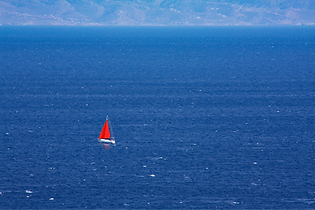
Hydra is defined by a dramatic, vertical landscape where gray limestone cliffs plunge directly into deep, cobalt-blue waters. The island is largely devoid of traditional sandy beaches; instead, swimming is experienced from stone platforms and rocky ledges like Spilia and Hydronetta, or at small pebble coves tucked between steep headlands. The interior is rugged and mountainous, crossed by ancient stone paths that wind through a dry, aromatic landscape of wild thyme, sage, and resilient pine clusters. Because motorized vehicles are banned, the natural silence of the island is profound, broken only by the sound of the sea and wind. Nature on Hydra is experienced as a stark, majestic encounter with the elements, where the beauty lies in its rocky shoreline and the sweeping views from its high mountain ridges.
Areas to Explore
Hydra Port is the grand, amphitheater-shaped heart of the island where the absence of cars is most evident and marble-paved quays are lined with historic captain’s mansions and bustling cafes.
Kamini is a smaller, more picturesque fishing harbor located a short walk from the main town, offering a quieter atmosphere with traditional stone houses and authentic seaside tavernas.
Vlychos is a peaceful coastal settlement further west that features a red-pebbled beach, an old stone bridge, and a handful of garden-side guesthouses catering to those seeking total relaxation.
Mandraki serves as the island’s former naval shipyard area to the east, now transformed into a refined bay with organized beach facilities and calm waters perfect for swimming.
The High Ridges (Kala Pigadia & Kiafa) are the oldest residential quarters perched high above the port, where narrow donkey paths lead to historic monasteries and offer the most sweeping views of the Saronic Gulf.
These areas reflect how Hydra is experienced as a strictly preserved maritime community where life radiates outward from the central harbor to quiet coastal hamlets and high-altitude historic quarters.
Local Cuisine
Hydra’s food scene is a mix of high-end dining and historic harbor tavernas that have served sailors for generations. The island is particularly famous for its almond sweets called amygdalota, which are scented with rosewater and have been a local specialty for centuries. Seafood is the primary focus along the waterfront, where sun-dried octopus and squid are staples of the afternoon meze. Because there is no local agriculture on the rocky terrain, most fresh produce is brought in by boat, making the cuisine heavily reliant on the daily catch and traditional preservation methods. Dining on Hydra is a sophisticated yet traditional experience where the elegance of the setting matches the quality of the fresh Mediterranean flavors.
History
Hydra's history is defined by its rise as a maritime powerhouse and its legendary contribution to the Greek War of Independence. Because the island has little water or farmable land, its residents turned to the sea, building a massive merchant fleet that grew wealthy during the Napoleonic Wars. By 1821, the wealthy shipowners of Hydra converted their trading vessels into warships to fight against the Ottoman Empire. The island was the home of Andreas Miaoulis, a celebrated admiral, and Laskarina Bouboulina, a famous female naval commander. Today, the island’s strict preservation laws prohibit cars and modern buildings, keeping the 18th-century stone mansions exactly as they were during the island's golden age.
Best Time to Visit
Hydra is most active and vibrant from May through October, when the island's stone harbor is filled with yachts and the narrow streets are bustling with visitors. This period offers the most reliable weather for swimming at swimming spots like Spilia or taking water taxis to Bisti Beach. A major highlight occurs in late June with the Miaoulia Festival, a spectacular celebration featuring a reenactment of a naval battle and massive fireworks in the harbor.
From November through March, the pace of life on Hydra slows significantly, but unlike many smaller islands, it does not "close." Because it has a large community of permanent residents and artists, many traditional tavernas and cafes remain open. While the sea is too cold for swimming, this is the best time for serious hikers to tackle the trail to the Monastery of Profitis Ilias or explore the island’s rugged interior without the intense summer heat. Travelers should be aware that ferry schedules are reduced and high winds can occasionally cause temporary cancellations.
Editors Insider Tips
On Hydra, the most important thing to remember is that wheeled vehicles are prohibited, which includes bicycles and scooters. This means you will be doing a significant amount of walking on cobblestones and steep stairs; comfortable, high-grip shoes are a necessity rather than a suggestion. If you have heavy luggage, look for the muleteers at the harbor who can transport your bags to your hotel, as many guesthouses are located high up the hillside.
To avoid the heaviest crowds in the harbor, head toward the smaller coastal settlements of Kamini or Vlychos. These areas offer a much more localized feel and have excellent seaside tavernas that are often less expensive than those in the main port. If you are looking for a unique swim, skip the sandy beaches and head to Spilia or Hydronetta right near the harbor entrance; these are rocky platforms where you can dive directly into deep, crystalline water. Finally, for a sunset you won't forget, walk the coastal path toward Kamini about 20 minutes before dusk to see the Saronic Gulf turn deep gold.
Frequently Asked Questions
1. How do I get to Hydra?
Hydra is one of the most popular Saronic islands due to its proximity to Athens.
From Piraeus: High speed hydrofoils and catamarans (Aero Highspeed, Flying Cat, or Flying Dolphin) depart frequently from Gate E8. The journey takes between 1 hour 15 minutes and 1 hour 50 minutes.
From the Peloponnese: You can take small ferries or water taxis from Metochi (a 15 to 20 minute crossing) or Ermioni (25 minutes). This is a popular route for those driving through the Peloponnese.
Booking: During summer weekends and holidays, these ferries sell out quickly. It is essential to book your tickets in advance since there are no large conventional ferries with unlimited deck space.
2. Is Hydra truly car free?
Yes, Hydra is famous for its strict ban on all motorized wheeled vehicles.
No Vehicles: This includes cars, motorcycles, and even bicycles.
Exceptions: The only motorized vehicles allowed on the island are a few small garbage trucks and emergency service vehicles.
Impact: This creates a unique, quiet atmosphere where the only sounds are bells from the donkeys, footsteps on cobblestones, and the sea.
3. How do I get around the island?
Since there are no cars, you have three main options for transport.
Walking: The most common way to get around. The town is built like an amphitheater, so be prepared for many stone steps and steep inclines.
Donkeys and Mules: These are the traditional "taxis" of Hydra. They are used for transporting heavy luggage from the port to your hotel and for moving construction materials or supplies.
Water Taxis: Small, fast boats operate from the main harbor and can take you to coastal villages like Kamini and Vlychos or to more remote beaches.
4. Which are the best beaches on Hydra?
Hydra is not known for long sandy beaches. Instead, it offers deep, crystal clear waters and rocky swimming platforms.
Spilia and Hydronetta: Located just a few minutes' walk from the harbor, these are rocky diving spots with stone terraces and ladders leading into deep, turquoise water.
Mandraki: The only beach on the island with a significant amount of sand. It is about a 20 minute walk east of the port and is fully organized with a beach club.
Vlychos: A pebbly beach with a few tavernas, reachable via a beautiful 30 to 40 minute coastal walk or a short water taxi ride.
Bisti and Agios Nikolaos: Remote, pebbly bays surrounded by pine trees on the western side of the island. These are best reached by the regular "beach boat" services from the main harbor.
5. Can you drink the tap water?
As of 2026, Hydra has a modern desalination plant that produces water meeting European safety standards.
Safety: The water is safe for showering, cooking, and brushing teeth.
Drinking: While technically potable, many locals and tourists still prefer the taste of bottled water. The old pipe system in some parts of the town can sometimes affect the flavor.
History: You will notice many old "cisternas" (rainwater tanks) built into the mansions, which were the island's primary water source for centuries.
6. Why is the architecture different here?
Hydra’s town is a protected national monument with a very specific aesthetic.
The Mansions: The island was incredibly wealthy in the 18th and 19th centuries due to its powerful merchant navy. Ship owners built massive, fortress-like stone mansions (archontika) that still dominate the skyline.
Strict Rules: New buildings must follow rigid architectural guidelines to preserve the island's historical character. This is why you will see no neon signs, modern storefronts, or tall apartment blocks.
7. What is the "Leonard Cohen" connection?
The famous Canadian singer and poet lived on Hydra in the 1960s.
The House: Cohen bought a traditional stone house here for 1,500 USD in 1960. He wrote many of his early songs and poems while living on the island.
Legacy: His presence helped cement Hydra's reputation as a haven for artists, writers, and musicians. You can still see his house in the "Kala Pigadia" neighborhood, though it remains a private residence.
8. What are the must visit museums?
Historical Archives Museum: Located at the eastern side of the harbor, it houses a large collection of naval artifacts, including the embalmed heart of Admiral Andreas Miaoulis, a hero of the Greek War of Independence.
Lazaros Koundouriotis Mansion: A stunning yellow mansion that is now a museum. It offers a glimpse into the life of the island's wealthy elite during the 1800s.
DESTE Foundation: A former slaughterhouse on the edge of the town that now hosts world class contemporary art exhibitions every summer.
9. Where is the best place to stay?
Hydra Harbor: Best for being in the heart of the action, close to cafes, shops, and ferry connections.
Kamini: A small, quiet fishing village about a 15 minute walk from the main port. It is perfect for those who want a more authentic, peaceful vibe.
Vlychos: Ideal for a total escape, with traditional guesthouses located right near the water.
10. How many days should I stay?
Day Trip: Many people visit Hydra for just a few hours from Athens. This is enough to see the harbor and have a nice lunch.
2 to 3 Days: The perfect amount of time to explore the backstreets, hike up to the Prophet Elias Monastery for the view, and spend a full day at a remote beach.
Longer Stay: Hydra is the kind of place that rewards slow travel. Many visitors return every year to simply enjoy the lack of traffic and the slower pace of life.
Discover Beaches on this Island
Discover more Greek Islands in the Saronic



How To Get to More Greece Destinations from Here


