


Ikaria

A rugged, high-altitude rebel where mountain festivals and thermal springs celebrate a life without clocks.
Intro
Ikaria is a rugged and fiercely independent island in the North Aegean world-renowned as a Blue Zone where the residents are famous for their remarkable longevity. Defined by its steep granite mountains, hidden waterfalls, and the therapeutic thermal springs of Therma, the island offers a landscape of wild and untamed beauty. From the legendary myth of Icarus to the vibrant panigiria which are traditional village festivals that last until dawn, Ikaria is a place where time slows down and life is lived with a unique focus on community and well-being.
Who It’s Best For
Ikaria is a haven for independent spirits and wellness seekers who are more interested in the quality of life than the luxury of service. It is the ultimate destination for health-conscious travelers and nature lovers who want to understand the secrets of the world’s most famous "Blue Zone." Because the island operates on its own schedule where shops might open at midnight and dinner lasts until sunrise, it suits relaxed travelers and cultural enthusiasts who can embrace a lack of structure. Whether you are looking to soak in therapeutic thermal springs or dance for hours at a legendary mountain festival, Ikaria is for those who want to live authentically and reconnect with a sense of community.
Who It’s Best For: A Quick Breakdown
Traveler Type | Why They’ll Love Ikaria |
Wellness Seekers | To experience the "Blue Zone" lifestyle and bathe in the naturally radioactive thermal springs of Therma. |
Free Spirits | To enjoy the island’s famous panigiria where traditional dancing and wine drinking last until the morning. |
Outdoor Adventurers | For hiking through the "Halari" canyon, discovering hidden waterfalls, and swimming at the exotic Seychelles beach. |
Slow Travelers | For those who want to escape the "rat race" and adapt to the island’s notoriously unhurried pace of life. |
Surfers | Messakti beach is one of the premier spots in Greece for catching consistent Aegean waves. |
Things to Know
The most critical logistical fact about Ikaria is that it has two main ports, Agios Kirykos and Evdilos, which are on opposite sides of the island and about an hour apart by car. When booking your ferry, you must check which port you are arriving at to avoid a very expensive taxi ride to your accommodation. If you are staying in the popular northern villages like Armenistis or Nas, you should aim for Evdilos, whereas the southern capital and the thermal springs of Therma are served by Agios Kirykos. Renting a car is highly recommended because the island is large and mountainous, but you must book well in advance since the local fleet is small and automatics are rare.
You should prepare yourself for a complete shift in how you perceive time, as Ikarians famously ignore clocks. In mountain villages like Christos Raches, shops and tavernas might not even open until 9:00 PM or 10:00 PM, and the party often lasts until sunrise. This is the island of longevity, so do not expect fast service or a rushed pace. Shops often close for long afternoon siestas, and it is considered rude to try and hurry a local business owner. Lastly, while the famous panigyria (village festivals) are open to everyone, they are intense events with thousands of people, loud traditional music, and endless wine, so bring comfortable shoes and be ready to dance in a circle for hours.

Things To Do
Soak in the Therapeutic Springs of Therma to experience the natural radioactive hot springs that have been famous since antiquity for their healing properties.
Hike through the Halari Gorge to follow a lush trail of freshwater streams, small waterfalls, and old stone bridges that lead down to the beach of Nas.
Explore the Monastery of Theoktistis near Pigi to see the unique chapel of Theoskepasti, which is built entirely inside the hollow space of two massive granite boulders.
Attend a Panigyri in Christos Raches to join hundreds of locals in a traditional circular dance that starts late at night and continues until the early morning hours.
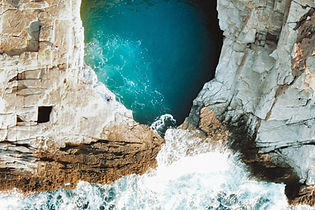
Visit the Seychelles Beach to swim in a stunning cove created by rock slides during tunnel construction, featuring bright white pebbles and vibrant turquoise water.
These activities reflect how Ikaria is experienced through its wild natural landscapes, its unconventional social rhythms, and its legendary reputation as a place where people forget to die.
Beaches or Nature
Ikaria is a land of geological extremes, defined by its high, rugged mountains and a legendary abundance of flowing water. The island is famous for its radioactive thermal springs in Therma, which have been used for healing since antiquity, and its lush interior filled with rivers and waterfalls. The coastline is equally dramatic, featuring world-class beaches like Seychelles, known for its bright white limestone cliffs and electric-blue water, and Nas, where a freshwater stream flows through a deep canyon to meet the sea. The island's topography is dominated by the Atheras mountain range, which creates a high-altitude plateau of ancient oak forests. Nature on Ikaria is experienced as a wild, untamed force, where the steep ravines and craggy peaks create a landscape that feels both mystical and indomitable.
Areas to Explore
Agios Kirykos is the island’s capital and main port on the south side, characterized by grand neoclassical buildings, the central marble square, and a gateway to the nearby thermal springs of Therma.
Armenistis is the primary hub for visitors on the north coast, a charming fishing village that sits between the island's most famous beaches and serves as the starting point for trails into the lush highlands.
Christos Raches is a legendary mountain village famous for its "upside-down" schedule, where shops and tavernas often don't open until late evening and stay active until dawn.
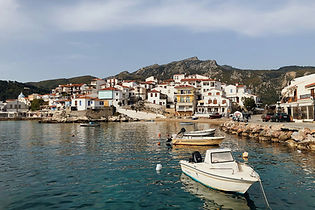
Evdilos is the secondary port on the northern coast, featuring a picturesque harbor with traditional stone houses and narrow alleys that climb steeply up the hillside toward the center of the island.
Nas is a bohemian coastal area where the Chalaris River meets the sea, known for the ruins of an ancient Temple of Artemis and a rugged canyon that attracts campers and nature lovers.
These areas reflect how Ikaria is divided between its formal port towns, its laid-back coastal resorts, and its mysterious mountain villages that follow their own unique sense of time.
Local Cuisine
The diet of Ikaria is world-renowned as a cornerstone of the Blue Zone phenomenon, focusing on longevity through simple, plant-based, and seasonal ingredients. A staple dish is soufiko, a slow-cooked vegetable medley similar to ratatouille, made with whatever is fresh from the garden. The island is also famous for its strong red wine, mentioned since the time of Homer as "Pramnios Oinos," and its unique anaurito (or kathoura) goat cheese. Honey here is a medicinal treasure, particularly the thick, dark anama (heather honey) produced by local bees. Dining on Ikaria is a communal and unhurried event, often centered around the village square or a panigiri (traditional feast), where food is shared alongside slow-circle dancing and a philosophy that time is meant to be enjoyed, not managed.
History
Ikaria derives its name from the myth of Icarus, who is said to have fallen into the sea nearby after his wax wings melted from flying too close to the sun. In antiquity, the island was home to the Temple of Artemis Tauropolos at Nas, a major spiritual center for sailors navigating the treacherous Icarian Sea. Due to its lack of natural harbors, the island was frequently targeted by pirates, leading the population to develop a unique "anti-pirate" architecture: small, stone-built houses hidden in the rocks, often without chimneys, to avoid detection. During the mid-20th century, Ikaria became known as the "Red Island" because it served as a place of exile for thousands of communists and political dissidents. This history of isolation and self-reliance fostered a fiercely independent spirit and a communal way of life that persists today, most visible during the island’s famous village feasts.
Best Time to Visit
Ikaria is a land that ignores the clock, but its rhythm changes profoundly with the seasons. The island is most famous and most energetic from July through August. This is the season of the Panigiria, legendary overnight village feasts where hundreds of people dance the Ikariotikos until dawn. August 15th (the Assumption of Mary) is the peak, particularly in villages like Christos Raches and Lagada, where the celebrations are massive. During these summer months, the island is a haven for beach lovers, with the turquoise waters of Seychelles Beach and the surf-ready waves of Messakti at their warmest.
From November through April, Ikaria reveals the secret to its status as a "Blue Zone" of longevity. The island becomes incredibly quiet, the air fills with the scent of woodsmoke, and life centers around the kafenio (traditional café) and communal gatherings. Winter is the best time to soak in the Therma hot springs, which have been used for healing since antiquity. Spring (March to May) is a paradise for hikers. The "Island of Radiance" turns lush and green, with waterfalls flowing and wildflowers blooming across the mountain paths. While many tourist shops close, the island’s authentic heart remains open, offering a rare chance to experience the slow, unhurried lifestyle that defines Ikarian culture.
Editors' Insider Tips
Ikaria operates on "Ikarian Time," which means schedules are mere suggestions. Our biggest tip is to lower your expectations for speed and embrace the delay. In the mountain village of Christos Raches, shops often don't even open until after 9:00 PM and stay open until nearly dawn. This is the island's natural rhythm; don't fight it, just adjust your sleep schedule and join the locals for a late-night coffee or wine.
When it comes to the famous Panigiria (village festivals), do not arrive before midnight if you want to see the real action. To survive the night, pace yourself with the local strong red wine, which is potent and unfiltered. For a unique wellness experience, skip the modern spas and head to the natural sea-fed hot springs in Therma. You can find spots where the boiling mineral water gushes directly into the cool Aegean, allowing you to move between temperatures for a natural hydrotherapy session. Finally, if you are driving, be extremely cautious of the wild goats (raska) that rule the mountain roads; they have the right of way, and they know it.
👉 Check out these additional links on Ikaria:
🏠 The Cost of Living on Ikaria, Greece
🏆 Golden Visa Benefits on Ikaria
🧗♂️ Discover Excursions and Tours on Ikaria
Frequently Asked Questions
1. How do I get to Ikaria?
Ikaria is connected to mainland Greece and several neighboring islands by regular ferry services.
• By Ferry: The island's two main ports, Agios Kirykos and Evdilos, are connected to Piraeus (Athens) several times a week. Depending on the vessel and route, the journey typically takes 7 to 10 hours.
• Via Neighboring Islands: Many visitors arrive from nearby islands such as Samos, Fournoi, Mykonos, and Syros using local ferry connections.
• Island Connections: Regular ferry routes make Ikaria a popular stop for travelers exploring the northeastern Aegean.
2. Is there an ATM and pharmacy on the island?
Yes, Ikaria is well-equipped for everyday necessities despite its relaxed and rural atmosphere.
• ATM: ATMs can be found in Agios Kirykos, Evdilos, Armenistis, and several other villages across the island.
• Pharmacy: Pharmacies are available in both Agios Kirykos and Evdilos, along with healthcare facilities for basic medical needs.
• Payment: Most hotels, restaurants, and shops accept cards, but carrying some cash is recommended for smaller tavernas, village cafés, and local festivals.
3. Do I need to rent a car?
A car is highly recommended if you want to experience everything the island has to offer.
• Distances: Ikaria is one of the larger islands in the region, with beaches, villages, and attractions spread across mountainous terrain.
• Rentals: Several rental agencies offer cars and scooters throughout the island. Since availability is limited during July and August, advance booking is advised.
• Public Transport: A local bus service connects the main villages during the summer season, but schedules may not always be convenient for sightseeing.
4. Which are the best beaches on Ikaria?
Ikaria is famous for its beautiful coastline, hidden coves, and crystal-clear waters.
• Seychelles Beach: The island's most famous beach, known for its white pebbles, turquoise water, and dramatic rock formations.
• Nas Beach: A stunning beach where a river meets the sea, famous for its sunsets and nearby archaeological site.
• Messakti Beach: A long sandy beach popular with swimmers, surfers, and families.
• Livadi Beach: Located near Armenistis, this organized beach offers soft sand and calm waters.
• Faros Beach: A quieter beach near Agios Kirykos, ideal for visitors seeking a more relaxed atmosphere.
5. Can you drink the tap water?
As of 2026, tap water is generally safe to drink throughout Ikaria.
• Safety: The water is suitable for drinking, cooking, washing, and brushing teeth.
• Quality: Many visitors find the water pleasant, though bottled water is widely available in supermarkets and mini-markets.
6. What should I eat on Ikaria?
Ikaria is internationally known for its traditional cuisine and connection to longevity.
• Ikarian Goat: Slow-cooked goat with local herbs is one of the island's most famous dishes.
• Fresh Seafood: Look for locally caught fish, octopus, squid, and lobster served in seaside tavernas.
• Soufiko: A traditional vegetable dish prepared with seasonal produce and olive oil.
• Ikarian Honey: Produced from wild herbs and pine forests, it is considered among the finest in Greece.
• Local Wine: The island has a winemaking tradition dating back thousands of years and is known for its distinctive wines.
7. What are the famous Panigyria of Ikaria?
These traditional village festivals are among the most celebrated cultural events in Greece.
• The Experience: Visitors can enjoy live music, dancing, local food, and wine in a uniquely welcoming atmosphere.
• Summer Celebrations: Dozens of panigyria take place between June and September in villages throughout the island.
• Culture: Many festivals continue until sunrise and provide an authentic glimpse into local life and traditions.
8. What are the main villages?
• Agios Kirykos: The island's capital and principal port. It is known for its thermal springs, waterfront promenade, and traditional architecture.
• Evdilos: A picturesque harbor town with colorful neoclassical buildings and excellent tavernas.
• Armenistis: One of the most popular tourist villages, offering beautiful beaches, cafés, and sunset views.
• Christos Raches: A mountain village famous for its relaxed lifestyle and unusual tradition of late-night activity.
9. Where is the best place to stay?
• Armenistis: Best for those who want easy beach access, restaurants, and a lively summer atmosphere.
• Agios Kirykos: Best for visitors interested in thermal springs, local culture, and convenient transport connections.
• Evdilos: Best for a balanced stay with charm, accessibility, and excellent dining options.
10. How many days should I stay?
• 3 to 4 Days: Enough to visit the main villages, enjoy several beaches, and experience a traditional panigyri.
• 7 Days: The ideal stay for travelers who want to explore the island's beaches, mountain villages, hiking trails, thermal springs, and hidden corners at a relaxed pace.


Discover the Beaches on this Island
Discover more Greek Islands Nearby



How To Get to More Greece Destinations from Here


